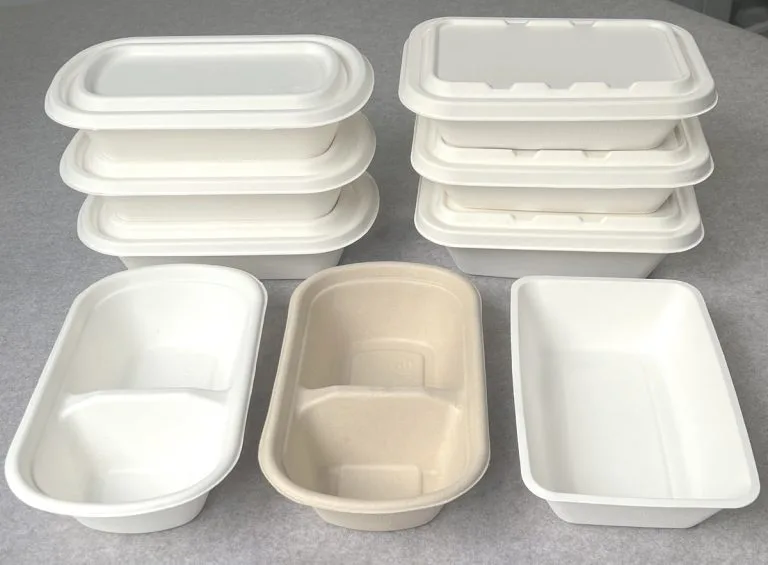
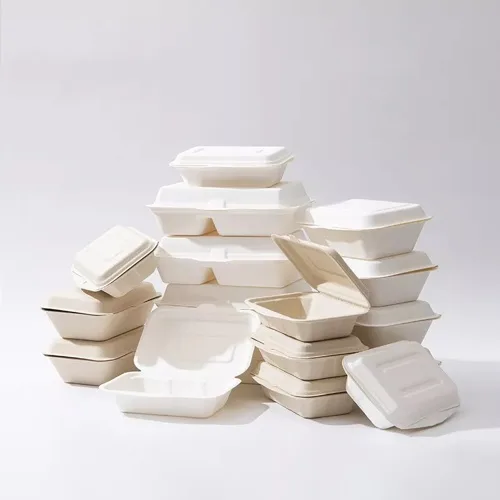
Actionable coverage of high-quality biodegradable materials: eco-friendly, biodegradable, compostable materials, performance data, and compliance under EN13432 & ASTM D6400. Includes BPI/TÜV references and Food-Contact Tested guidance for safe deployment. Buyer-focused: manufacturer insights, bulk/wholesale buying playbooks, OEM/ODM customization tips, full size range selection.
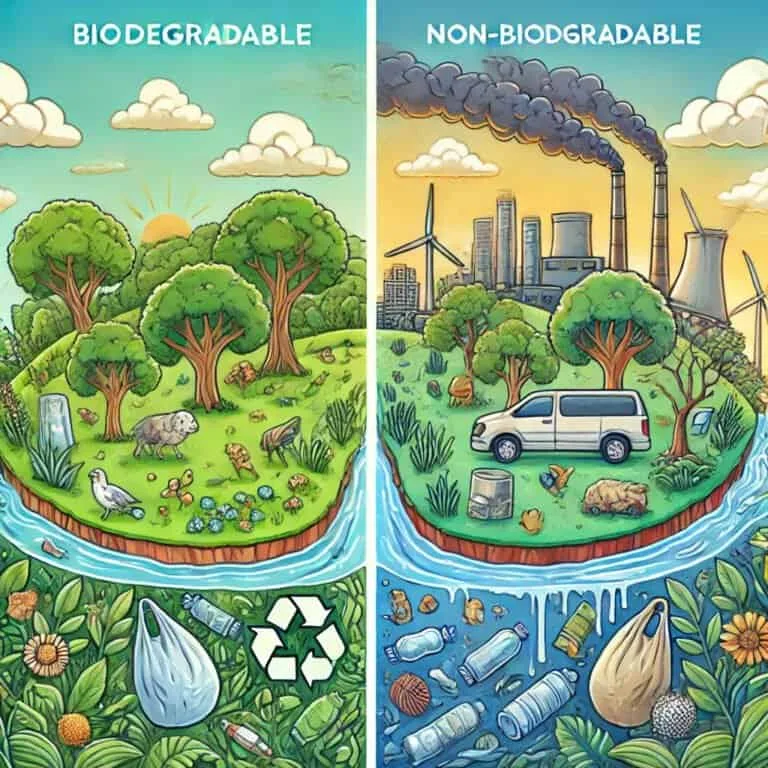
In an era marked by heightened environmental awareness, the understanding of biodegradable and non-biodegradable materials is crucial. Opting for biodegradable alternatives can significantly reduce environmental harm, mitigate pollution, and advance sustainable living practices. This guide offers comprehensive insights, empowering consumers and businesses to make informed decisions aligning with long-term ecological sustainability.
FAQ of Bioleader's Eco-friendly Disposable Tableware
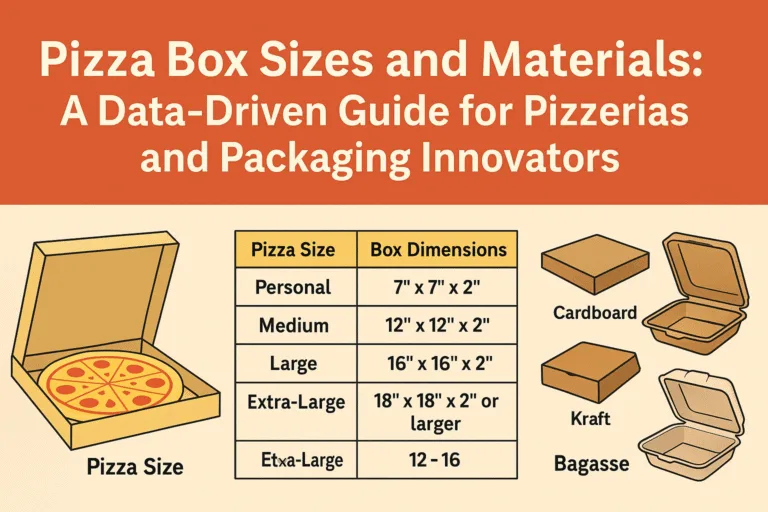
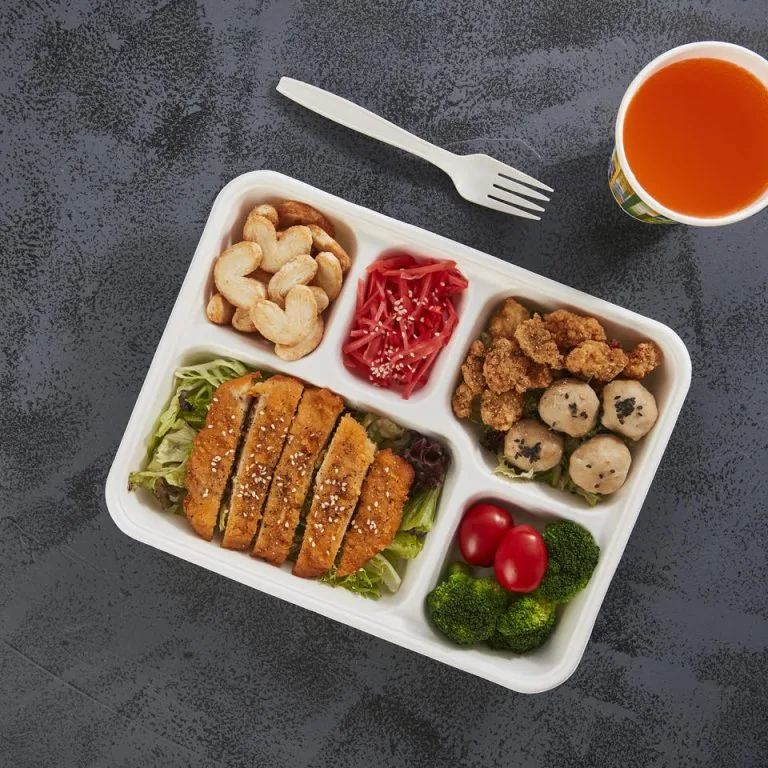
What sizes are available for these biodegradable bowls?
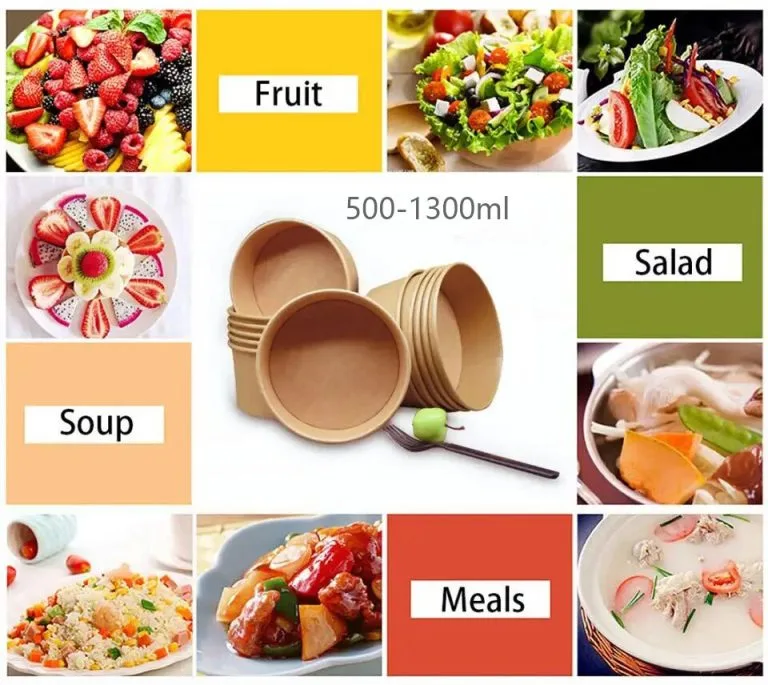
Our bowls come in multiple sizes, ranging from 500ml to 1500ml (approximately 8oz to 48oz), offering flexibility for different portion needs.
Environmental Sustainability and Biodegradability Of Paper Products.
Making operating and design decisions that enhance environmental sustainability involves green practices and does not destroy the business unit’s viability. We manufacture durable Kraft paper as well as white cardboard paper for use in our bio-disposable bowls with printed logos. Kraft paper is strong, environmentally friendly, and compostable. Natural brown kraft paper is the appropriate choice for environment-friendly consumers.
Do these bowls leak?
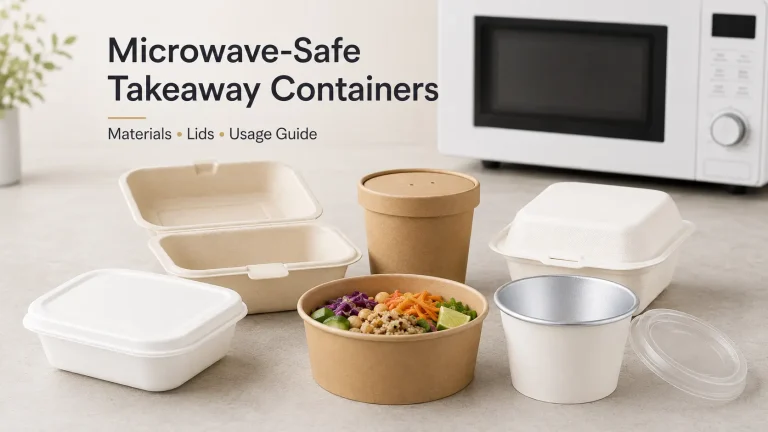
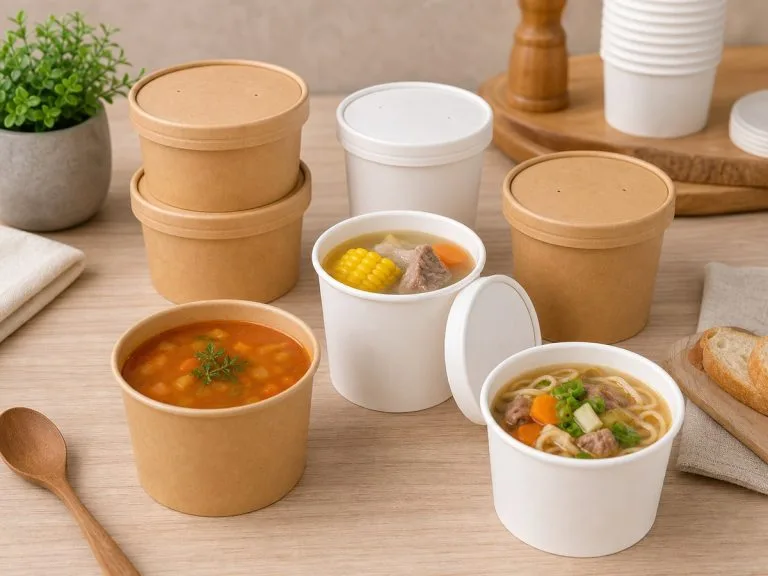
Yes, the ultra-secure lids on our eco friendly disposable bowls with lids make sure no amount of liquid comes out while in the traveling process.
Natural Materials
Food Waste: Examples include fruit peels, coffee grounds, vegetable scraps, and bread. Paper and Cardboard: Typically decompose within months under suitable conditions — high-quality biodegradable materials. Natural Fibers: Materials such as cotton, wool, silk, and hemp biodegrade effectively. Yard Waste: Grass clippings, leaves, twigs, and branches.
Advantages and Limitations
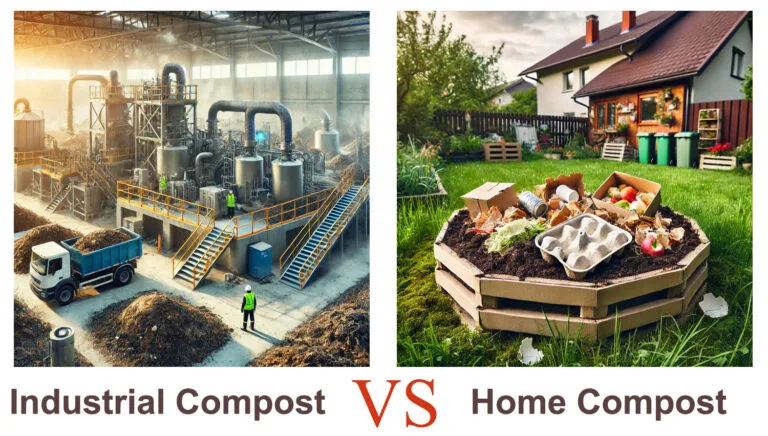
While biodegradable materials offer substantial environmental advantages, improper disposal, such as in oxygen-deficient landfills, may lead to methane emissions, a potent greenhouse gas. Thus, responsible disposal methods like composting and anaerobic digestion are vital — high-quality biodegradable materials. Non-Biodegradable Materials Non-biodegradable materials resist natural decomposition processes, leading to persistent environmental pollution, ecosystem degradation, and resource depletion — high-quality biodegradable materials.