Environmentally Safe Cups Vs Alternatives: Cost, Performance, Sustainability | Bioleader® Guides

Actionable coverage of environmentally safe cups: eco-friendly, biodegradable, compostable materials, performance data, and compliance under EN13432 & ASTM D6400. Includes BPI/TÜV references and Food-Contact Tested guidance for safe deployment. Buyer-focused: manufacturer insights, bulk/wholesale buying playbooks, OEM/ODM customization tips, full size range selection.
environmentally safe cups — Quick Summary
  • Items displayed (articles): 12
  • Last updated: 2025-04-14
  • Includes test data, compliance guides, buyer FAQs, and real-world use cases.

Editor’s Picks: Top Environmentally Safe Cups Guides 2026

FAQ of Bioleader's Eco-friendly Disposable Tableware

Food Delivery Special Trays

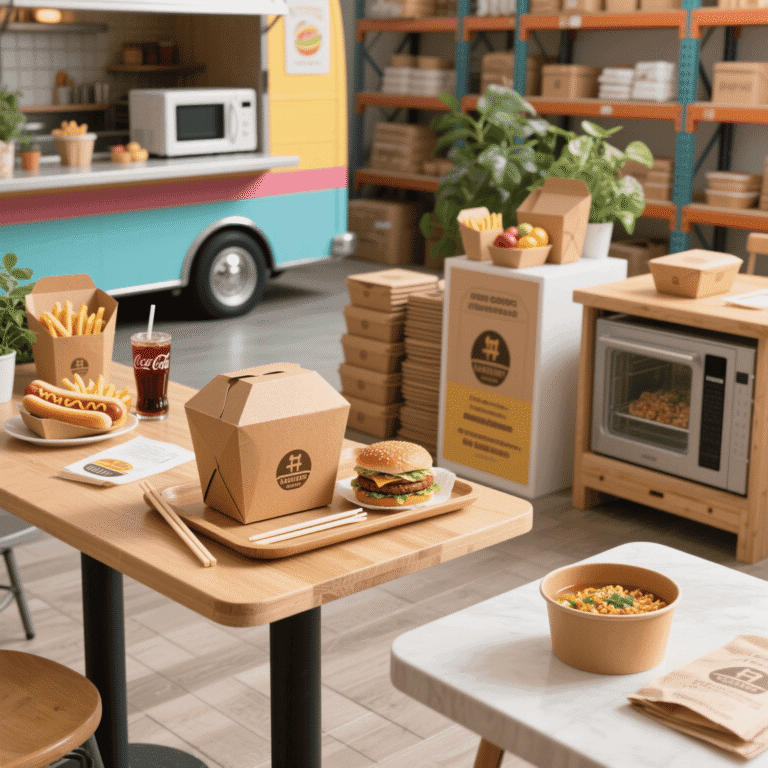
The specially designed trays made from mycelium won’t get affected by oil or water which means there will be no leaks during food delivery. This incredible feature makes them suitable for numerous dishes, including those that include sauce or oil. Customers find it more appealing to order our branded takeaway trays with lids as they do not have to deal with any mess.

1. What are disposable bagasse food trays made of?

They are made from sugarcane bagasse—the fibrous byproduct left after extracting juice from sugarcane. This renewable material is molded into durable trays that are compostable, biodegradable, and plastic-free.

2. Are compostable food trays microwave-safe?

Yes, most compostable food trays made from bagasse or sugarcane pulp are microwave-safe. They can safely withstand typical microwave heating conditions without releasing harmful substances or losing structural integrity.

Health Considerations

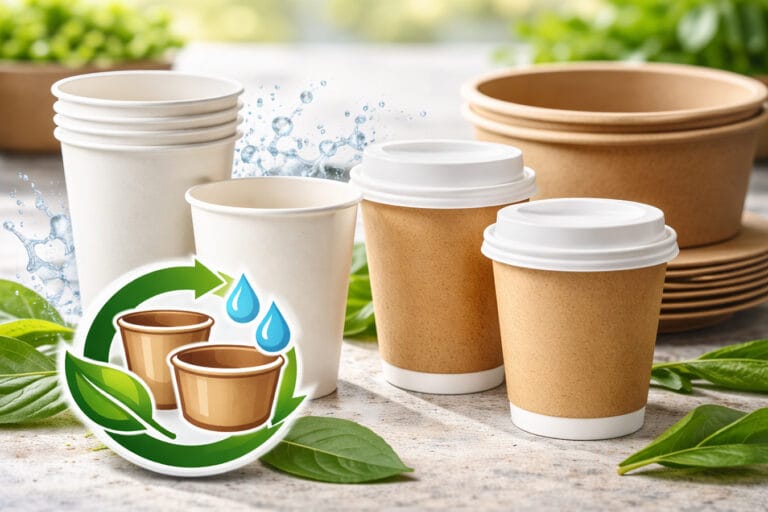
Compostable Cups: Free from harmful chemicals like BPA — environmentally safe cups. Traditional Plastic Cups: May contain toxic substances that can leach into beverages.

1. Environmental Sustainability: A Circular Solution

One of the most compelling reasons to switch to compostable plastic cups is their remarkable contribution to environmental sustainability. Unlike petroleum-based plastic cups, which can persist in landfills or oceans for over 400 years, compostable cups made from PLA or PHA break down into water, carbon dioxide, and biomass under the right composting conditions—typically within 90–180 days — environmentally safe cups. According to the United Nations Environment Programme (UNEP), single-use plastics are a major contributor to global pollution, with over 300 million tons of plastic waste generated annually. Compostable cups help mitigate this crisis by: Reducing landfill volume Avoiding microplastic pollution Supporting zero-waste and circular economy goals Converting organic waste into nutrient-rich compost for agriculture For event organizers, foodservice businesses, and cafés aiming for carbon neutrality, this switch can have a direct and measurable impact on Scope 3 emissions — environmentally safe cups.

Related Insights

🚀Ready to Go Green and Choose ?

Join the global movement toward zero-waste packaging.


Bioleader® offers:

  • 📦 Bulk order support & fast delivery

  • ✍️ Custom branding and OEM solutions

  • 🌍 Worldwide eco-packaging compliance

Get the Catalogue Products List  & Contact Us Now! 👉

Contact us Below

Click or drag files to this area to upload.You can upload up to 5 files.
The more details you share, the faster and more accurate our quotation will be.