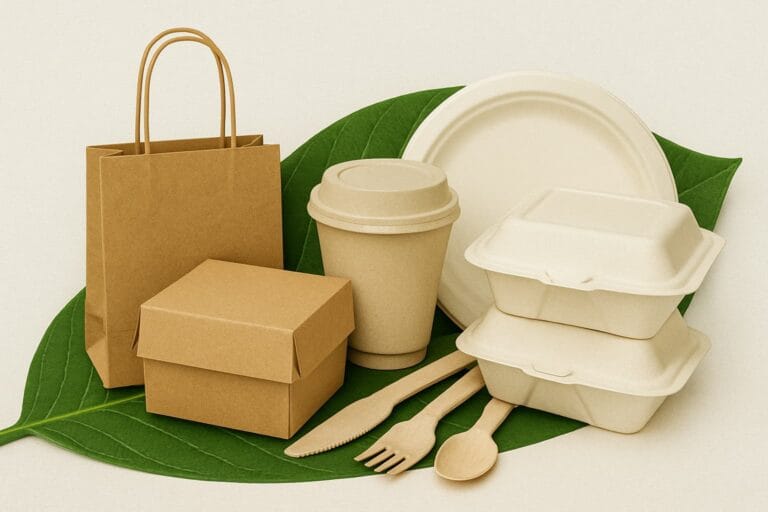
FAQ of Bioleader's Eco-friendly Disposable Tableware
What are environmentally friendly cutlery made from?
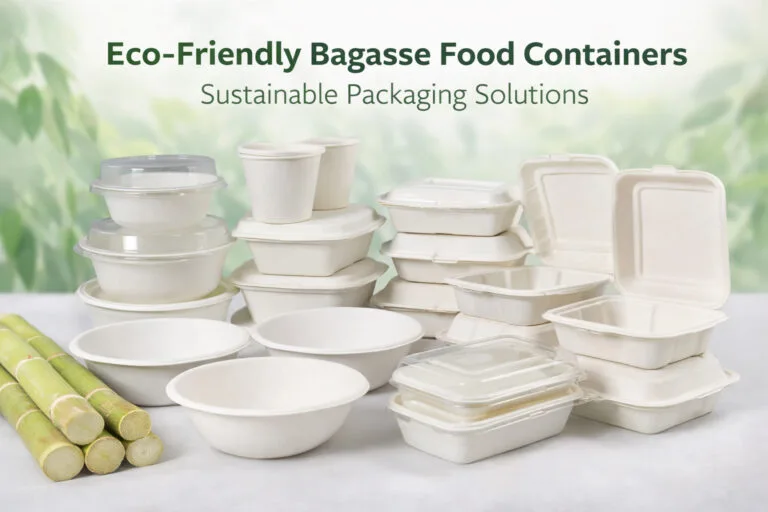
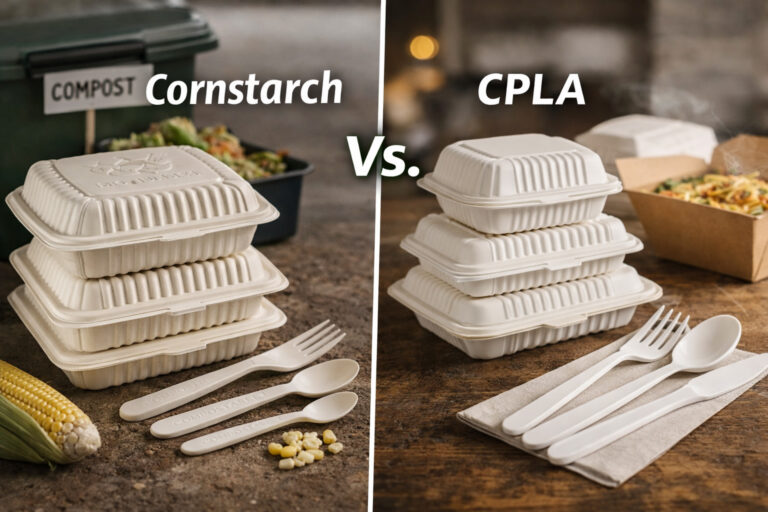
Environmentally friendly cutlery is typically made from renewable plant-based materials such as cornstarch, PLA, or sugarcane, making them biodegradable and compostable.
Why should businesses switch to bio plastic cutlery?
Switching to bio plastic cutlery helps reduce plastic waste, supports sustainability initiatives, meets consumer demand for eco-friendly products, and enhances brand reputation.
Why are compostable sporks considered better for the environment?
Compostable sporks reduce reliance on petroleum-based plastics, break down naturally without leaving microplastics, and support a circular economy by turning waste into compost.
United States
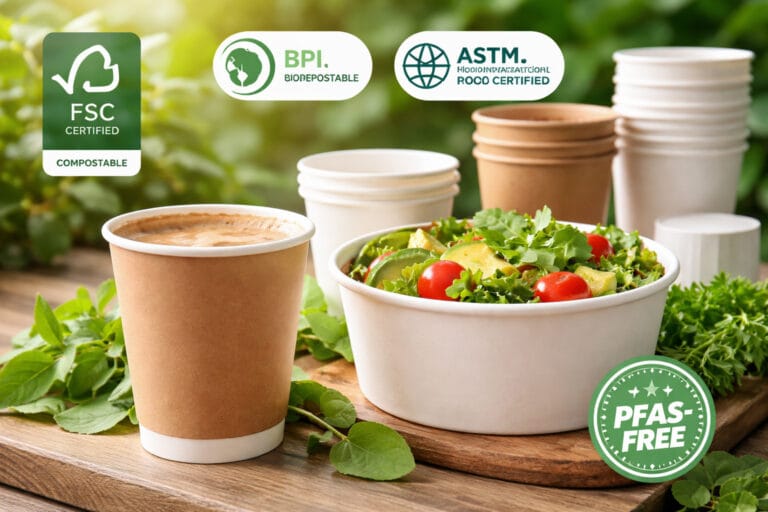
FTC Green Guides regulate environmental marketing claims to prevent misleading labels , eco-friendly packaging factory. ASTM D6400 and BPI certification certify compostable plastics — eco-friendly packaging factory. Some states (e.g., California, Washington) have banned misleading “biodegradable” plastic labels.
What is Recyclable Packaging?
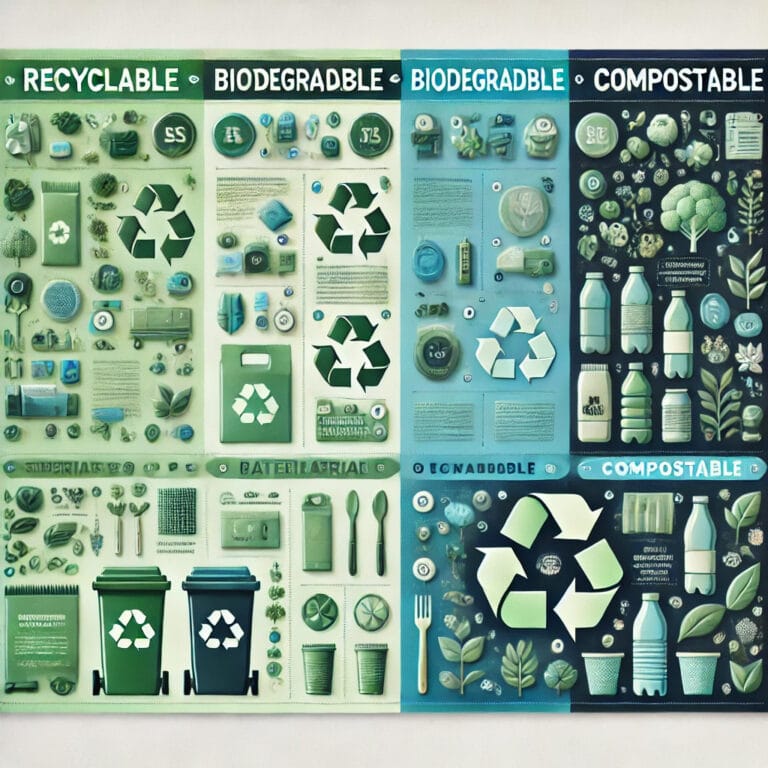
Recyclable packaging consists of materials that can be collected, processed, and transformed into new products. Common recyclable materials include: Metals (aluminum cans, tin cans) Glass (bottles, jars) Paper & Cardboard (corrugated boxes, newspapers) Certain Plastics (PET, HDPE, PP) Advantages: Reduces resource extraction (e.g., recycling aluminum saves up to 95% of the energy required for new aluminum production) , eco-friendly packaging factory. Minimizes landfill waste and pollution. Can be recycled multiple times, especially metals and glass.