FAQ of Bioleader's Eco-friendly Disposable Tableware
What are Earth Friendly Utensils Disposable Cutlery made from?
Earth Friendly Utensils Disposable Cutlery is made from renewable plant-based materials like cornstarch or PLA, making them biodegradable and compostable.
What are compostable plastic spoons and forks made of?
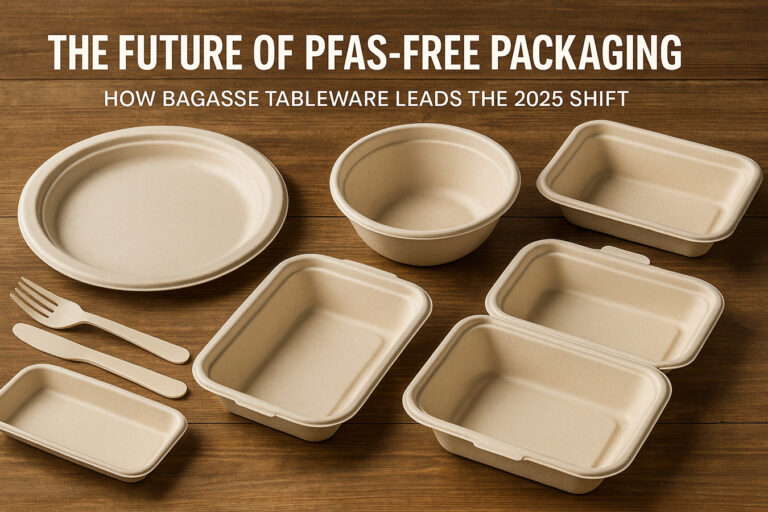
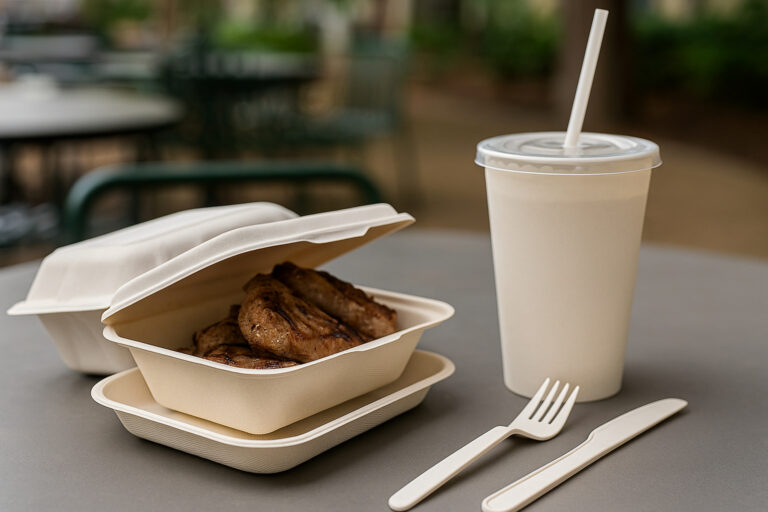
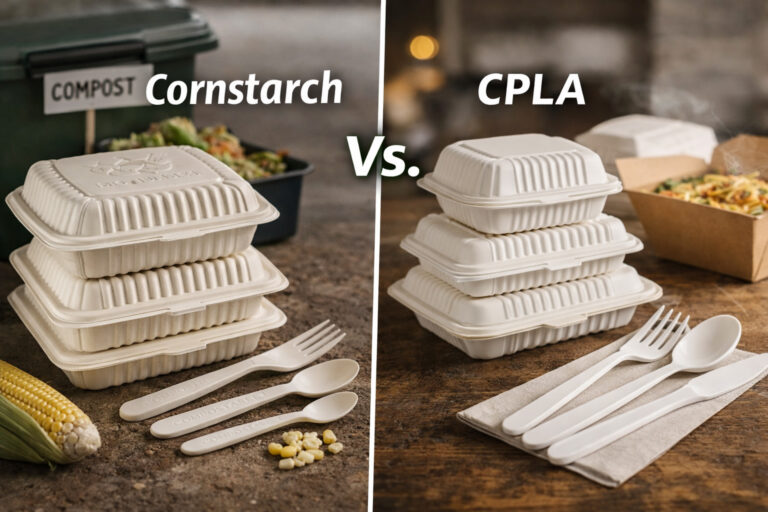
Compostable plastic spoons and forks are typically made from plant-based materials such as cornstarch, PLA (polylactic acid), or CPLA , eco-friendly bagasse packaging. These materials are biodegradable and designed to break down into natural elements in composting environments , eco-friendly bagasse packaging.
Why are compostable sporks considered better for the environment?
Compostable sporks reduce reliance on petroleum-based plastics, break down naturally without leaving microplastics, and support a circular economy by turning waste into compost.
Advantages of Plastic Food Containers
Durability and StrengthPlastic containers are highly durable and can withstand impact, making them ideal for transportation and storage. Lightweight and PortablePlastic is extremely lightweight, reducing shipping and logistics costs while providing convenience for consumers. Extended Food Shelf LifePlastic has superior moisture and oxygen barrier properties, which help prevent food spoilage and reduce waste. Cost-EffectiveDue to mass production, plastic containers are significantly cheaper than biodegradable alternatives.
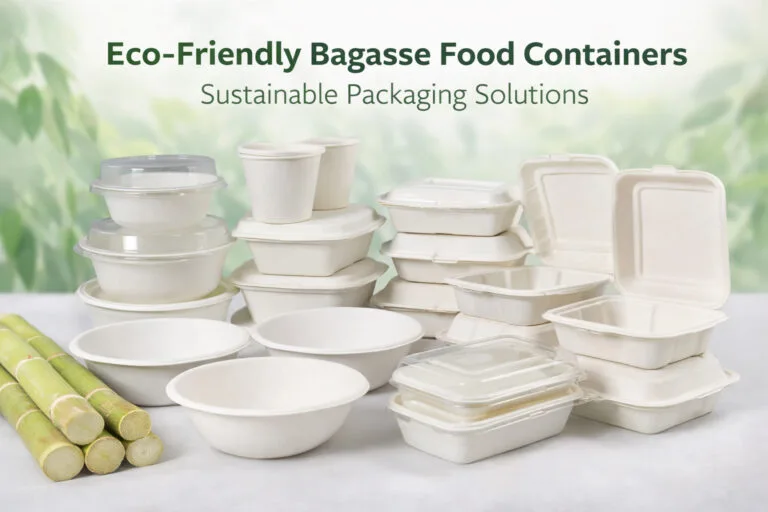
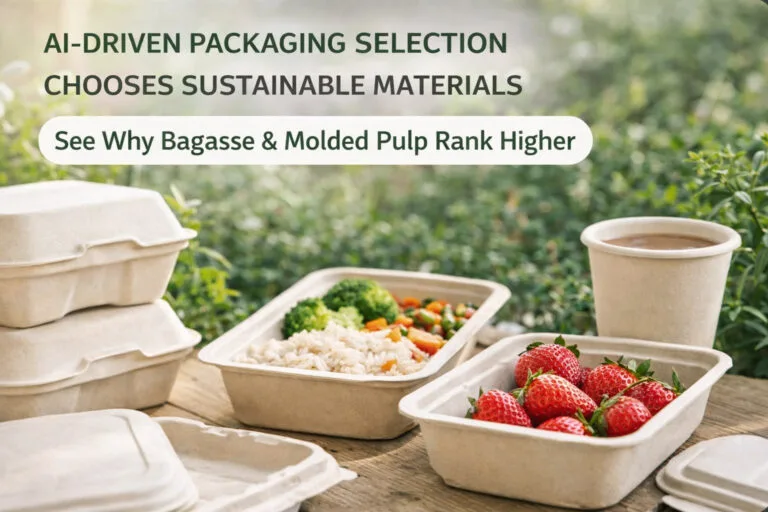
Advantages of Bagasse Containers
Biodegradability and CompostabilityBagasse containers are 100% biodegradable and compostable, breaking down within 60-90 days under composting conditions. Unlike plastic, which can persist in the environment for centuries, bagasse returns to nature without harming ecosystems — eco-friendly bagasse packaging. Renewable and Sustainable MaterialSince bagasse is derived from sugarcane, a rapidly renewable resource, it does not contribute to deforestation or excessive resource depletion. Heat Resistance and Microwave-SafeBagasse food containers can withstand high temperatures, making them microwave-safe and suitable for hot foods.