FAQ of Bioleader's Eco-friendly Disposable Tableware
1. What are sugarcane bagasse molded pulp trays made from?
They are made from bagasse, the fibrous residue left after sugarcane stalks are crushed for juice — dinnerware research. This agricultural waste is molded into strong, durable trays that are compostable, biodegradable, and plastic-free.
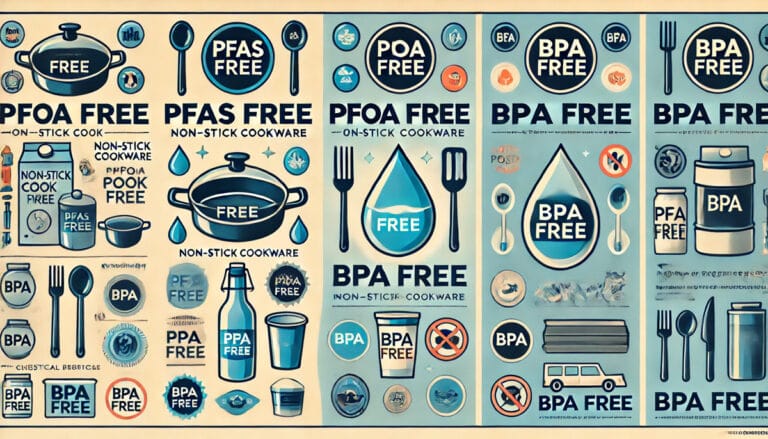
Ensure safety with products that are free of PFAS and BPA
Health comes first , dinnerware research. Safety is further guaranteed when you’ve got our trays with lids that don’t have PFAS and BPA in them, two neatly packed chemicals that bring peace to the consumer as they do not have any synthetic materials that pose health risks. So, you know that our products are safe and clean when it comes to packaging and using them.
1. What are disposable food trays with lids typically used for?
They are widely used in foodservice settings such as takeout, meal prep, catering, and airline meals. The trays offer secure food separation and freshness, making them ideal for combo meals, bento boxes, and heat-and-serve packaging.
How can I tell if my dinnerware is non-toxic?
To ensure your dinnerware is non-toxic, look for certifications such as 'lead-free,' 'non-toxic,' or 'eco-friendly.' You can also check for third-party verifications and conduct a simple vinegar test to detect the presence of lead.
How do I properly dispose of non-toxic dinnerware?
The disposal method depends on the material. Biodegradable dinnerware can be composted in industrial composting facilities, while ceramic and porcelain products can be recycled if they are free from toxic glazes , dinnerware research. Always check the manufacturer’s guidelines for the best disposal practices.