Guide To Cultural Practices In China: Materials, Standards & Best Practices | Bioleader® Sustainable Packaging

Actionable coverage of Cultural Practices in China: eco-friendly, biodegradable, compostable materials, performance data, and compliance under EN13432 & ASTM D6400. Includes BPI/TÜV references and Food-Contact Tested guidance for safe deployment. Buyer-focused: manufacturer insights, bulk/wholesale buying playbooks, OEM/ODM customization tips, full size range selection.

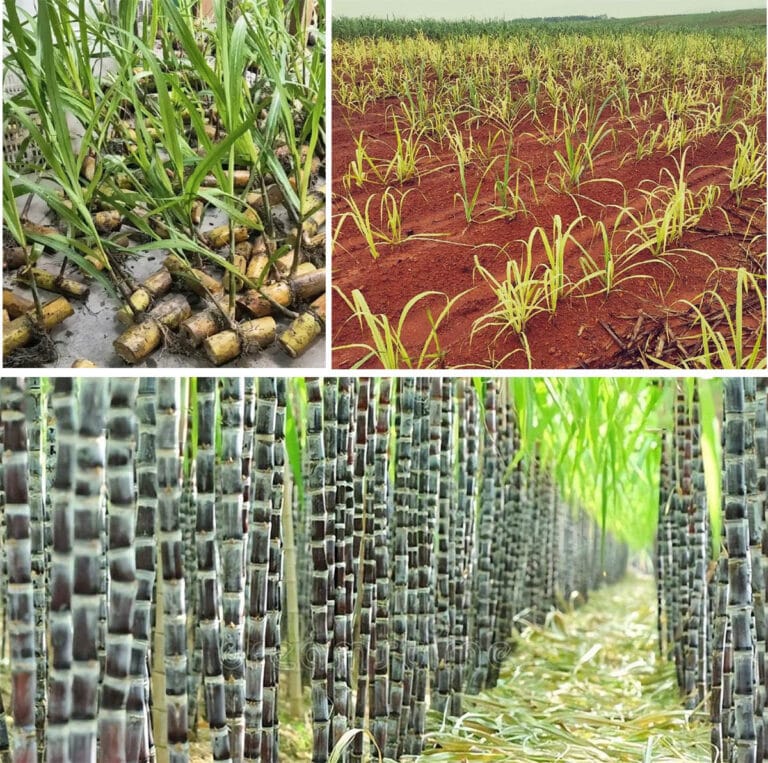
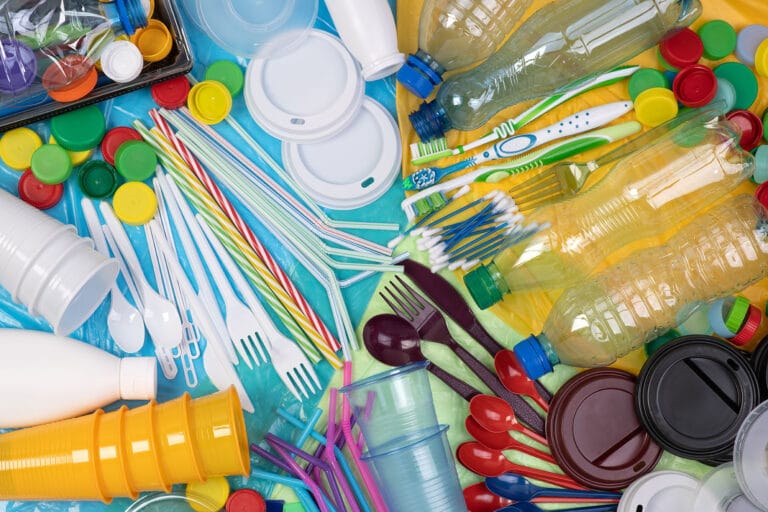
Sugarcane is an incredibly versatile crop, providing sweet juice, nutritional value, and eco-friendly materials. Among its many by-products, sugarcane bagasse—a fibrous residue left after juice extraction—has gained global attention as a sustainable alternative to plastics. In this article, we’ll explore sugarcane bagasse’s safety for food use, cultural ties to sugarcane consumption, and its many uses beyond packaging.

Cultural Practices in China — Quick Summary
  • Items displayed (articles): 12
  • Last updated: 2025-01-25
  • Includes test data, compliance guides, buyer FAQs, and real-world use cases.

Editor’s Picks: Top Cultural Practices In China Guides 2026

FAQ of Bioleader's Eco-friendly Disposable Tableware

Are these bowls suitable for serving hot foods?

Certainly, our to go bowls with lids make it possible to serve hot foods such as soup, noodles, and stew without leaking or deforming — Cultural Practices in China.

Can they be put in the microwave?

Yes, they can be put in a microwave even though there is no instruction to that, which makes it easier as meals can be quickly reheated in the same bowl , Cultural Practices in China.

What is the range of sizes that you have?

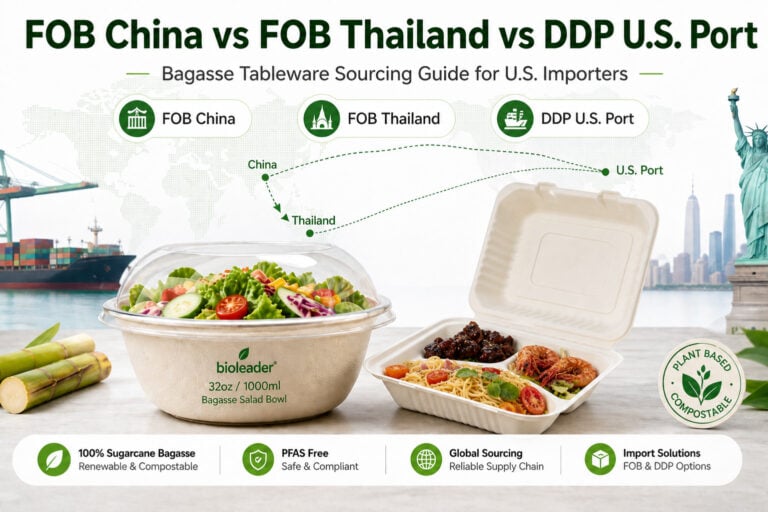
In terms of volume, there are varieties of cups: 500ml, 750ml, 1000ml, 1090ml, 1200ml, 1300ml, and 1500ml. This means that for every portion of any size, there is a bowl available , Cultural Practices in China.

Can bagasse contaminate food?

No, high-quality bagasse products are food-contact safe and manufactured under strict hygiene standards to prevent contamination or chemical migration.

Is sugarcane bagasse edible?

No, sugarcane bagasse is not meant to be eaten. It is the fibrous residue left after extracting juice from sugarcane and is typically used in packaging or fuel.

Related Insights

🚀Ready to Go Green and Choose ?

Join the global movement toward zero-waste packaging.


Bioleader® offers:

  • 📦 Bulk order support & fast delivery

  • ✍️ Custom branding and OEM solutions

  • 🌍 Worldwide eco-packaging compliance

Get the Catalogue Products List  & Contact Us Now! 👉

Contact us Below

Click or drag files to this area to upload.You can upload up to 5 files.
The more details you share, the faster and more accurate our quotation will be.