CPLA Fork And Spoon: A Straightforward Guide | Bioleader® Guide
Actionable coverage of CPLA Fork and Spoon: eco-friendly, biodegradable, compostable materials, performance data, and compliance under EN13432 & ASTM D6400. Includes BPI/TÜV references and Food-Contact Tested guidance for safe deployment. Buyer-focused: manufacturer insights, bulk/wholesale buying playbooks, OEM/ODM customization tips, full size range selection.
FAQ of Bioleader's Eco-friendly Disposable Tableware
What materials are biodegradable plastic forks and spoons made from?
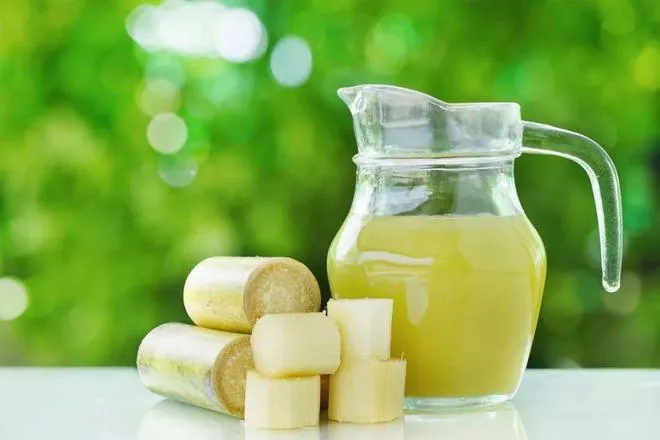
Biodegradable plastic forks and spoons are usually made from plant-based bioplastics such as cornstarch, PLA, or CPLA, which naturally break down in composting conditions.
What are Earth Friendly Utensils Disposable Cutlery made from?
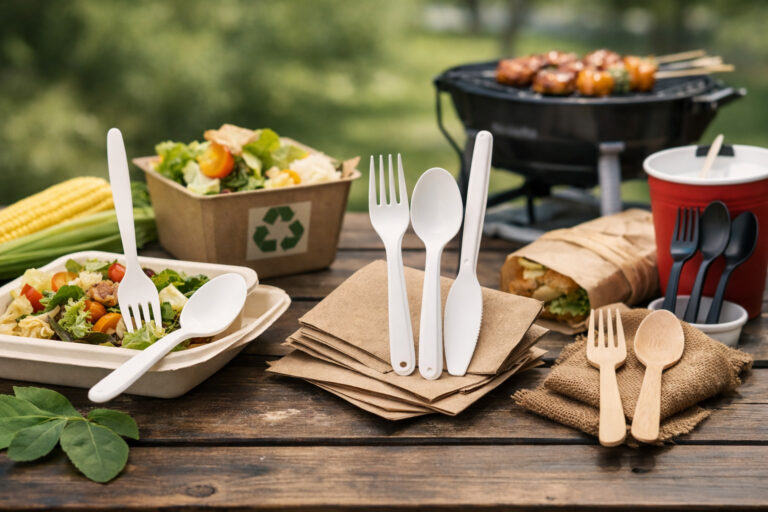
Earth Friendly Utensils Disposable Cutlery is made from renewable plant-based materials like cornstarch or PLA, making them biodegradable and compostable.
What is a PLA spoon compostable plastic spoon made from?
PLA spoons are made from polylactic acid, a plant-based bioplastic derived mainly from renewable resources like corn starch, making them biodegradable and compostable , CPLA Fork and Spoon.
Where PEF Creates the Most Value
Packaging requiring enhanced oxygen protection for longer shelf life Beverage and sensitive food formats where barrier performance directly impacts product quality Bio-based resin strategies aiming to reduce carbon footprint while maintaining performance Important clarification for buyers: PEF is best viewed as a bio-based, high-barrier polymer platform — CPLA Fork and Spoon. It should not be automatically assumed to be a compostable substitute for foodservice disposables — CPLA Fork and Spoon. Its role is typically closer to PET replacement strategies in barrier-critical packaging. Buyer Action Checklist: How to De-Risk PLA/CPLA Sourcing After the 2026 Update Request updated compliance statements referencing Announcement No.
Production Process
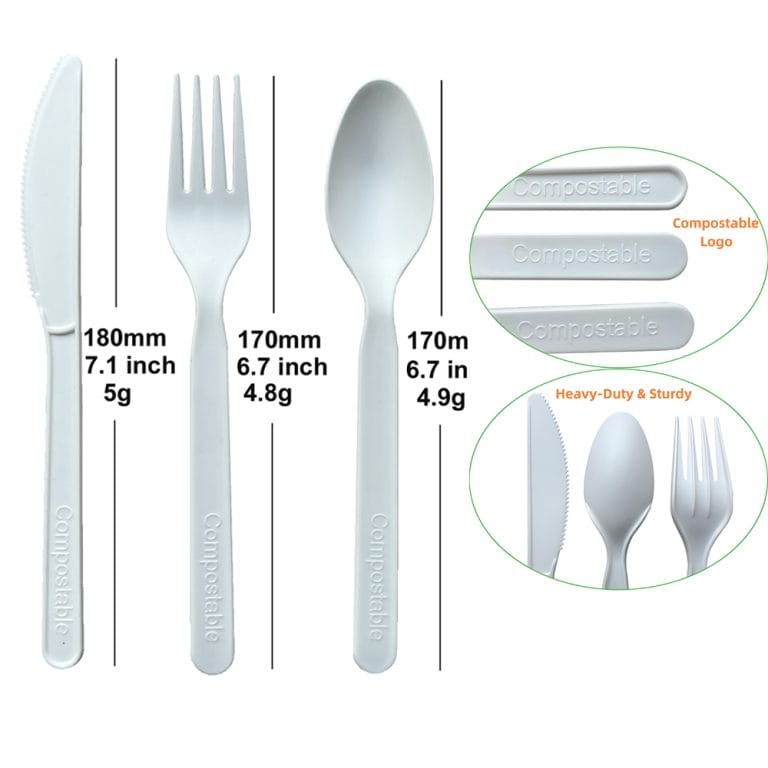
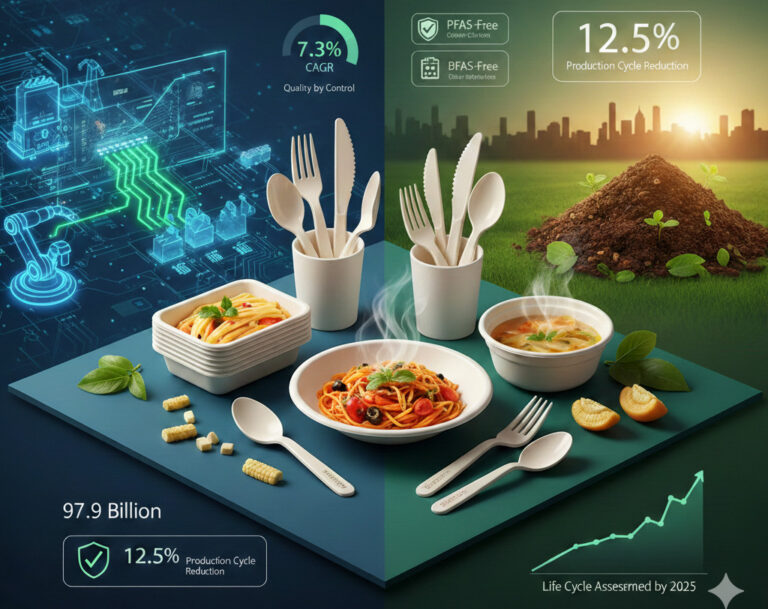
CPLA forks start with natural starches that are fermented and polymerized into lactic acid. The resulting PLA is crystallized to increase its heat tolerance and molded into fork shapes. This process ensures that CPLA forks can withstand higher temperatures, making them suitable for hot foods.