FAQ of Bioleader's Eco-friendly Disposable Tableware
Is individually wrapped cutlery suitable for outdoor events and travel?
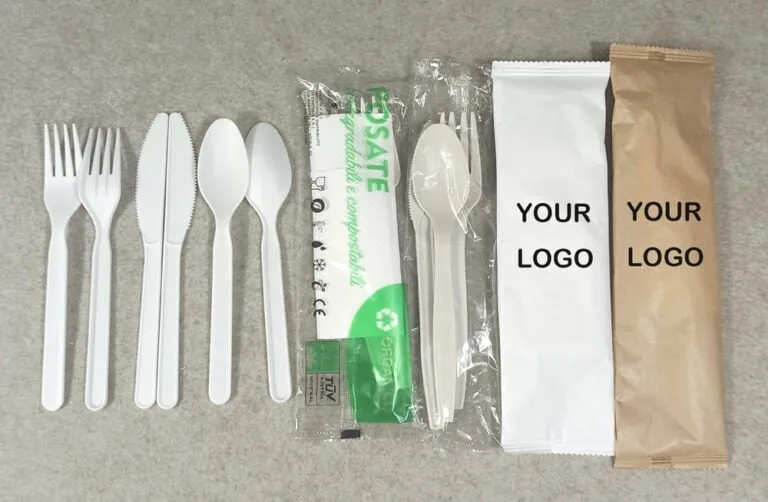
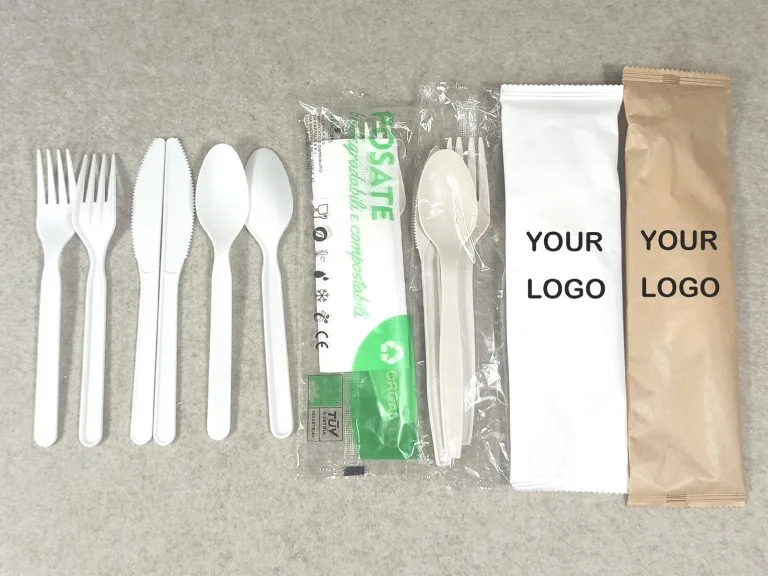
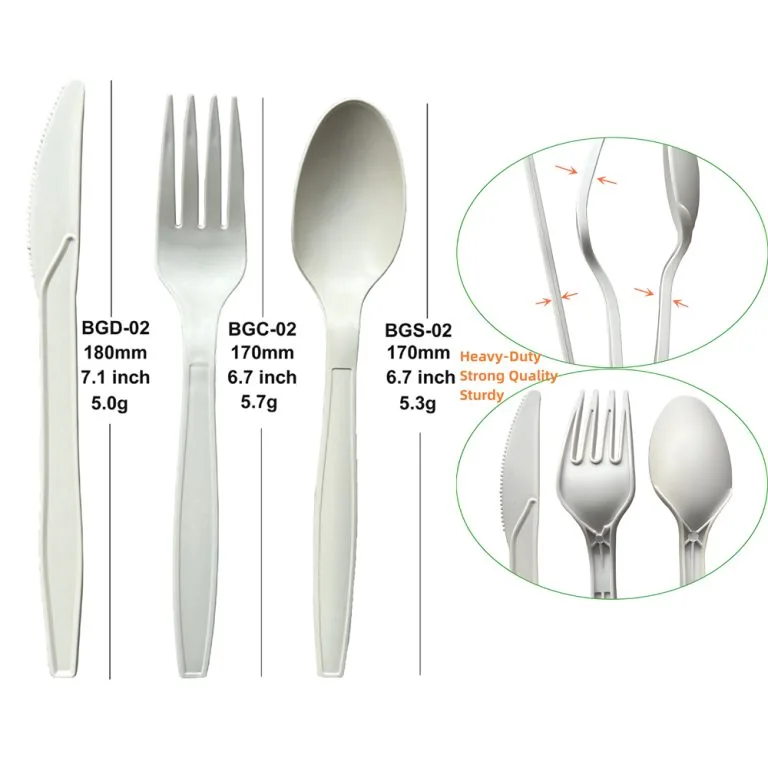
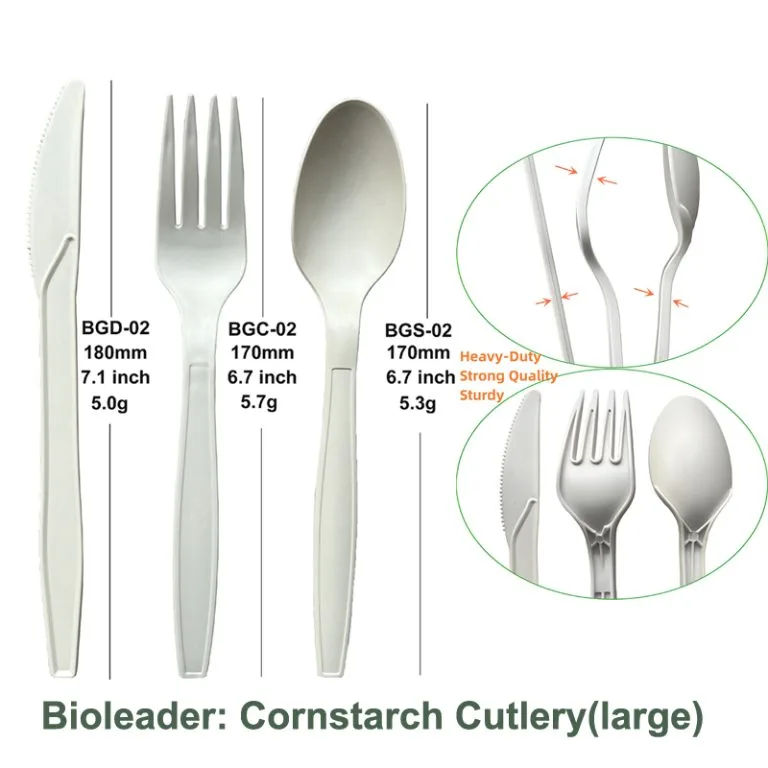
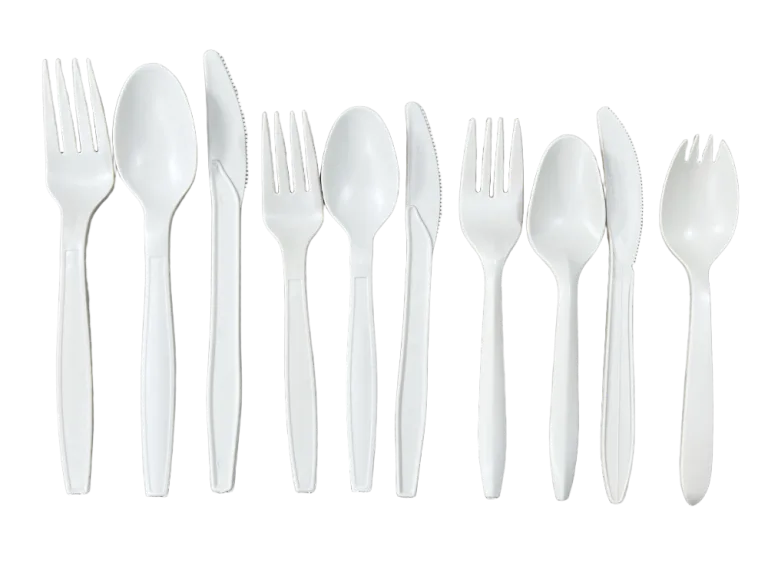
Absolutely , CPLA Cutlery. The individual packaging keeps the cutlery clean and ready to use, making it ideal for outdoor parties, picnics, travel, and catering services.
Where is individually wrapped cutlery commonly used?
It is widely used in restaurants, healthcare facilities, offices, schools, events, and for travel, wherever single-use and sanitary standards are a top priority.
How long does it take for bio plastic cutlery to decompose?
Under industrial composting conditions, bio plastic cutlery generally decomposes within 90 to 180 days, depending on the material and composting environment.
The Legal Foundation and Official Regulation
Georgia’s 2026 plastic ban is grounded in amendments to the existing regulation governing food-contact plastic materials. Specifically, the government revised the Plastic Materials and Products Intended to Come into Contact With Food — originally approved under Resolution No. 304 (June 8, 2022) — to impose wider restrictions. The amended regulation takes effect on January 1, 2026 , CPLA Cutlery.
The Rationale: Environmental Pressures and Plastic Waste Crisis
The push for this ban is rooted in mounting environmental pressures and mounting data on plastic pollution in Georgia. According to official and media sources: A nationwide waste-assessment study identified severe plastic pollution hotspots — especially along river basins such as the Rioni River Basin — where single-use plastic items constitute a substantial portion of river waste. In certain surveyed river sections, waste density reached nearly 4 plastic items per square meter, far exceeding levels typical of European rivers (approximately 0.5 items/m²). Statistically, Georgia reportedly consumes about 613.5 million single-use plastic items annually, translating into roughly 3.9 – 5.9 thousand tons of plastic waste each year , CPLA Cutlery.