Cornstarch Vs Plastic Tableware: Expert Summary Guide | Bioleader® Insights
Actionable coverage of cornstarch vs plastic tableware: eco-friendly, biodegradable, compostable materials, performance data, and compliance under EN13432 & ASTM D6400. Includes BPI/TÜV references and Food-Contact Tested guidance for safe deployment. Buyer-focused: manufacturer insights, bulk/wholesale buying playbooks, OEM/ODM customization tips, full size range selection.
FAQ of Bioleader's Eco-friendly Disposable Tableware
Are PLA spoons suitable for hot and cold foods?
Yes, PLA spoons are designed to handle both hot and cold foods. They are durable and heat-resistant, making them suitable for various dining and food service applications.
How long does it take for these utensils to decompose?
Under industrial composting conditions, earth friendly disposable utensils typically decompose within 90 to 180 days, depending on the material and facility.
What features do biodegradable disposable spoons and forks offer?
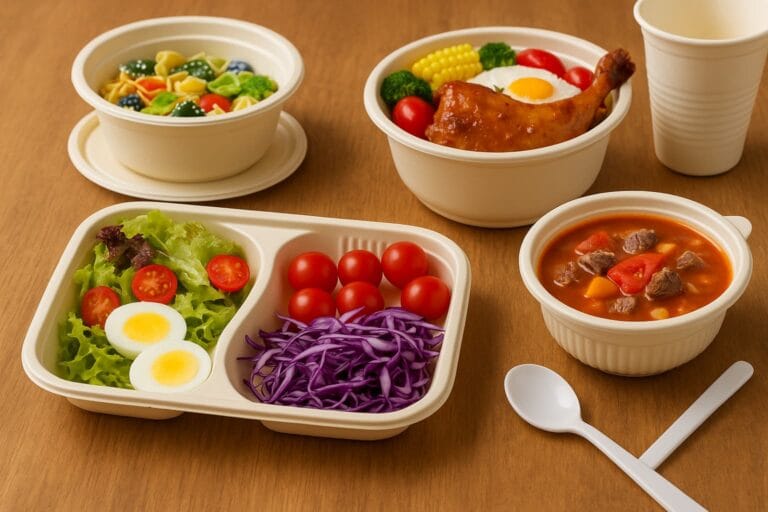
With customizable packaging options and a range of features such as heat resistance, safety, and cost-effectiveness, they cater to various uses—from outdoor events to everyday dining.
The Environmental Cost of Plastic Tableware
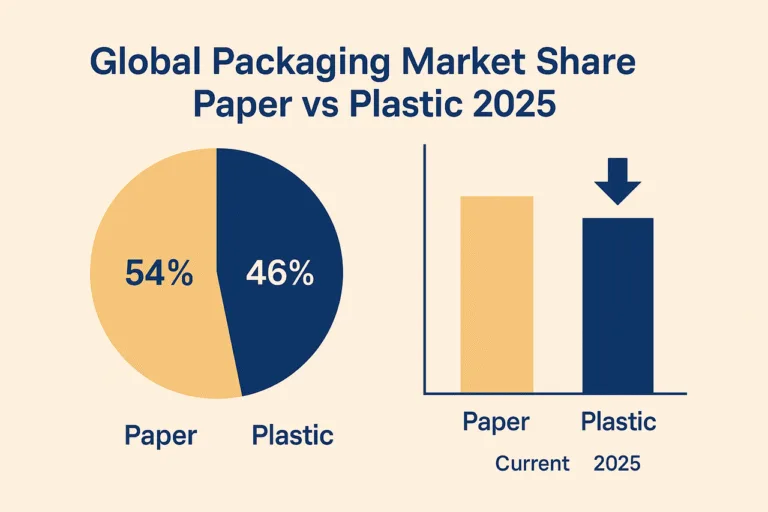
According to global lifecycle studies: Conventional plastic cutlery and containers can persist hundreds of years in landfills Plastic fragmentation contributes to microplastic pollution, now detected in soil, oceans, air, and even human blood Recycling rates for small foodservice plastics remain below 10% globally due to contamination and sorting limitations Cornstarch tableware emerged as a response to three structural failures of plastic: Non-renewable fossil feedstock End-of-life persistence Regulatory non-compliance under new plastic bans From a systems perspective, cornstarch tableware represents an attempt to decouple foodservice packaging from fossil carbon — cornstarch vs plastic tableware. 3. Is Cornstarch Tableware Biodegradable or Compostable? This is the most misunderstood aspect — and where scientific precision matters.
From Corn Kernel to Tableware
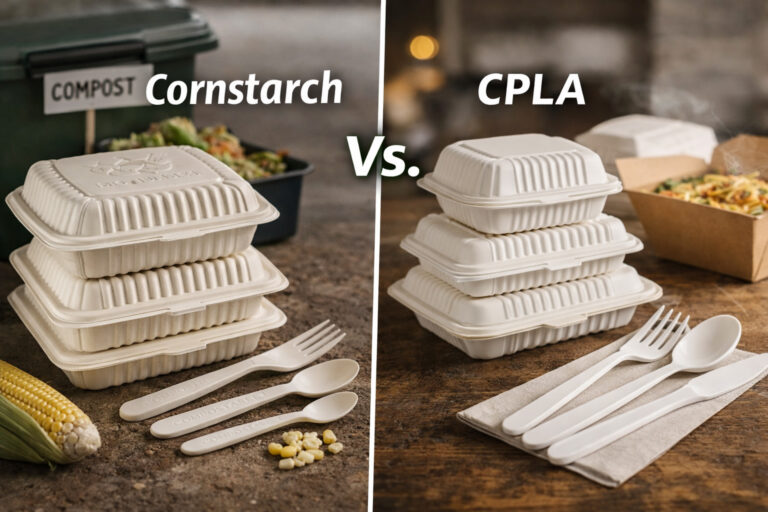
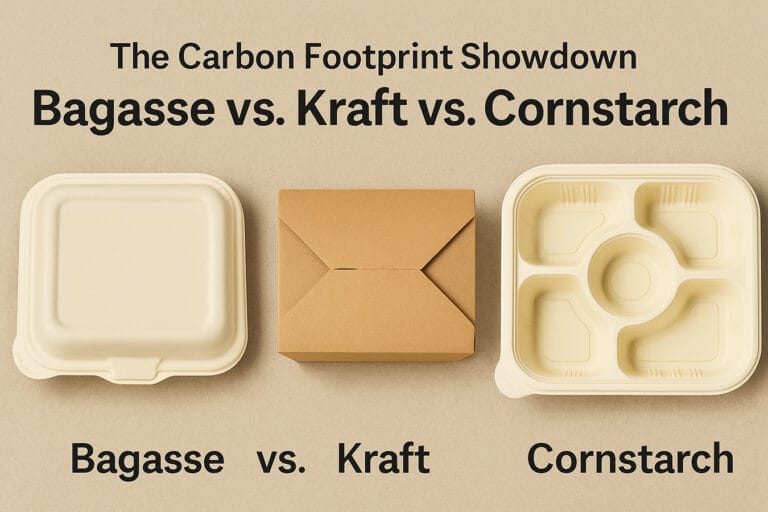
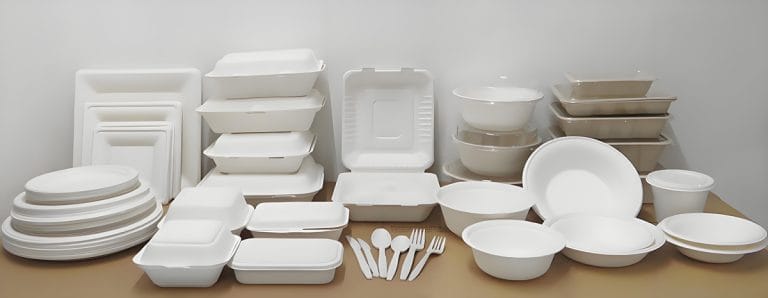
Cornstarch itself is a polysaccharide extracted from the endosperm of corn kernels. To become usable as tableware, raw starch must undergo biopolymer transformation, typically involving: Starch extraction and purification Fermentation into lactic acid Polymerization into starch-based bioplastics (often PLA or modified starch blends) Thermal molding into plates, bowls, cutlery, or containers From a material-science perspective, cornstarch tableware is not raw starch pressed into shape, but a bio-based polymer material engineered for strength, stability, and food contact safety — cornstarch vs plastic tableware. Key clarification:Cornstarch tableware ≠ untreated starchIt is a processed biopolymer, not edible starch. Bioleader® Cornstarch Tableware – sustainable, food-grade, and compostable products for restaurants, takeaways, and catering businesses 2 , cornstarch vs plastic tableware.