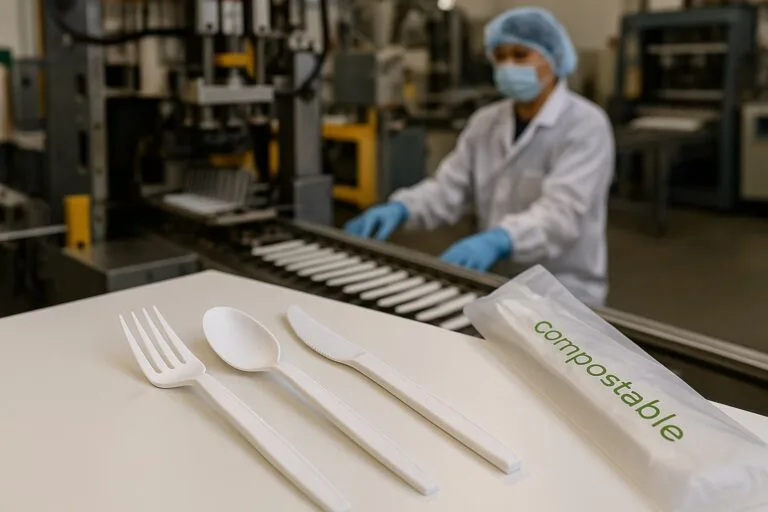
Cornstarch Vs Bagasse: Practical Use Cases | Bioleader® Insights
Actionable coverage of cornstarch vs bagasse: eco-friendly, biodegradable, compostable materials, performance data, and compliance under EN13432 & ASTM D6400. Includes BPI/TÜV references and Food-Contact Tested guidance for safe deployment. Buyer-focused: manufacturer insights, bulk/wholesale buying playbooks, OEM/ODM customization tips, full size range selection.
cornstarch vs bagasse — Quick Summary
Items displayed (articles): 12
Last updated: 2024-05-30
Includes test data, compliance guides, buyer FAQs, and real-world use cases.
FAQ of Bioleader's Eco-friendly Disposable Tableware
How long does it take for a cornstarch spork to decompose?
A cornstarch-based compostable spork will generally decompose within 90–180 days in commercial composting conditions, depending on local temperature and humidity.
Is individually wrapped cutlery suitable for outdoor events and travel?
Absolutely — cornstarch vs bagasse. The individual packaging keeps the cutlery clean and ready to use, making it ideal for outdoor parties, picnics, travel, and catering services.
What are environmentally friendly cutlery made from?
Environmentally friendly cutlery is typically made from renewable plant-based materials such as cornstarch, PLA, or sugarcane, making them biodegradable and compostable — cornstarch vs bagasse.
The Environmental Cost of Plastic Tableware
According to global lifecycle studies: Conventional plastic cutlery and containers can persist hundreds of years in landfills Plastic fragmentation contributes to microplastic pollution, now detected in soil, oceans, air, and even human blood Recycling rates for small foodservice plastics remain below 10% globally due to contamination and sorting limitations Cornstarch tableware emerged as a response to three structural failures of plastic: Non-renewable fossil feedstock End-of-life persistence Regulatory non-compliance under new plastic bans From a systems perspective, cornstarch tableware represents an attempt to decouple foodservice packaging from fossil carbon. 3. Is Cornstarch Tableware Biodegradable or Compostable? This is the most misunderstood aspect — and where scientific precision matters.
Key Findings from Comparative LCAs
Multiple studies comparing bio-based plastics to conventional plastics show: Lower greenhouse gas emissions due to biogenic carbon uptake during corn growth Reduced fossil energy consumption Lower long-term environmental persistence However, LCAs also highlight trade-offs: Agricultural inputs (water, fertilizer) Land-use considerations Dependence on waste management systems This places cornstarch tableware in a “net positive but conditional” sustainability category, rather than a universal solution — cornstarch vs bagasse.