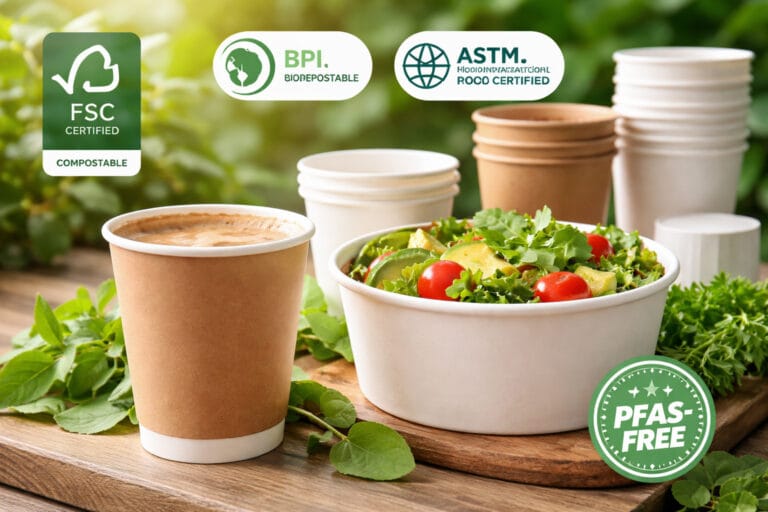
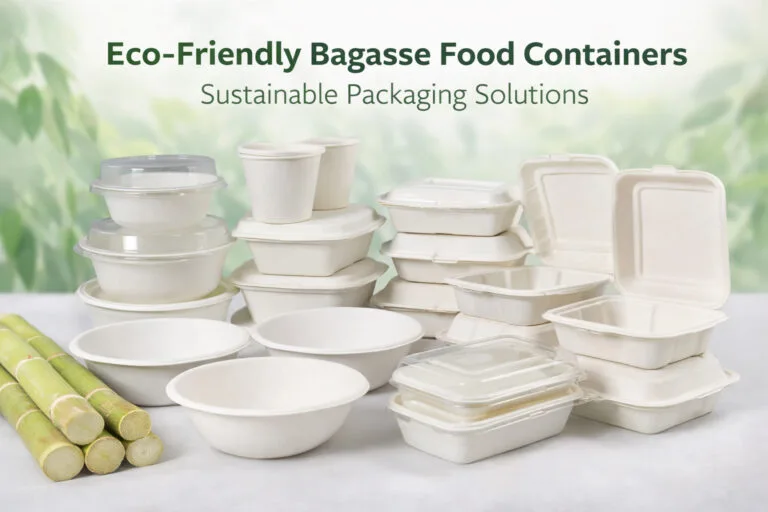
Item Product Name Paper Weight Product Size (Top*Bottom*High) Pcs/ CTN Carton Size (cm) PE-SK500 500ml Square Bowl Kraft Paper 337gsm / White paper 320gsm 130 x 112 x 47 300 40 27.5 45 PE-SK650 650ml Square Bowl Kraft Paper 337gsm / White paper 320gsm 130 x 110 x 60 300 40 27.5 46.5 Lid Options PP Lid 8g 130 x 130 300 30 28 41.5 PET Lid 9g 130 x 130 300 33 28 41.5 PE-SK750 750ml Square Bowl Kraft Paper 337gsm / White paper 320gsm 170 x 148 x 44 300 52 35 57 PE-SK1000 1000ml Square Bowl Kraft Paper 337gsm / White paper 320gsm 170 x 146 x 56 300 52 35 57 PE-SK1200 1200ml Square Bowl Kraft Paper 337gsm / White paper 320gsm 170 x 145 x 66 300 52 35 58 PE-SK1400 1400ml Square Bowl Kraft Paper 337gsm / White paper 320gsm 170 x 143 x 75 300 52 35 58 Lid Options PP Lid 12g 170 x 170 300 55 37 34 PET Lid 16g 170 x 170 300 55 37 34 Film Coated Options PE(single) Single 18gsm PE (100% recyclable, this is the normal choice type) PE(double) Double 18gsm PE (available for ice, cold, and freezer) PLA Single 31gsm PLA (100% biodegradable & compostable) Lid Options for Paper, PP and PET For 1200–1400ml square paper salad bowls, PP lids are practical for takeaway, stacking, and transport stability when large salads, rice bowls, noodles, pasta, and cold meals need secure handling. PET lids improve product visibility for retail display, supermarket ready meals, deli counters, and grab-and-go meal bowls , compostable packaging case study. The 170mm lid system fits 750ml, 1000ml, 1200ml, and 1400ml square bowls, while the smaller 130mm lids fit the 500ml and 650ml range , compostable packaging case study. Bioleader® can match lid type by rim diameter, packing plan, artwork needs, and destination market requirements.