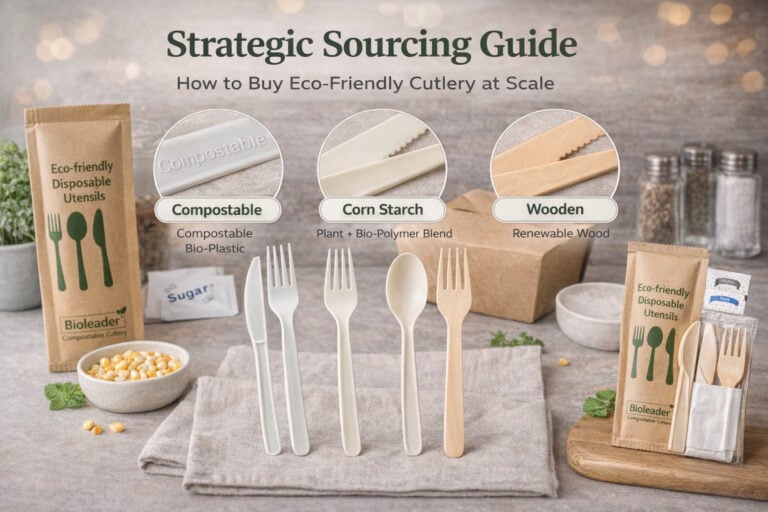
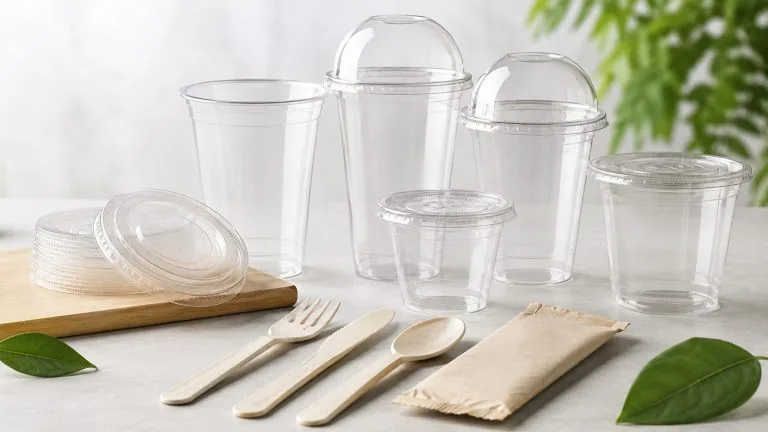
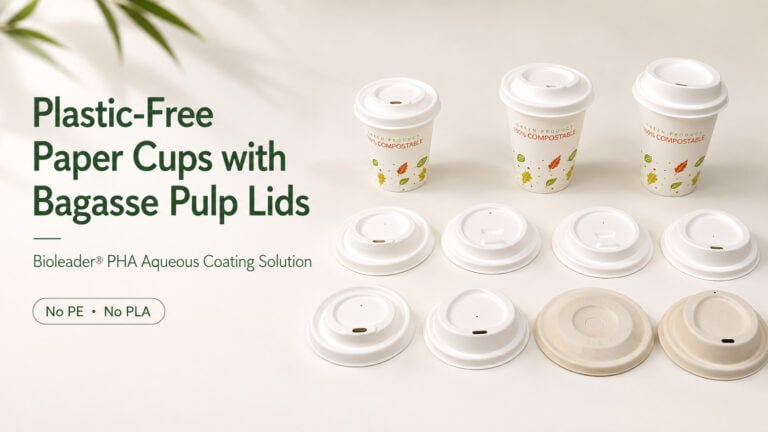
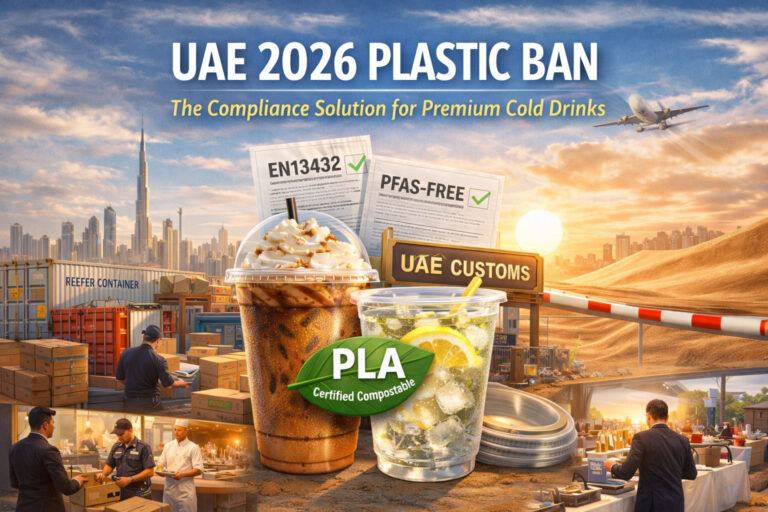
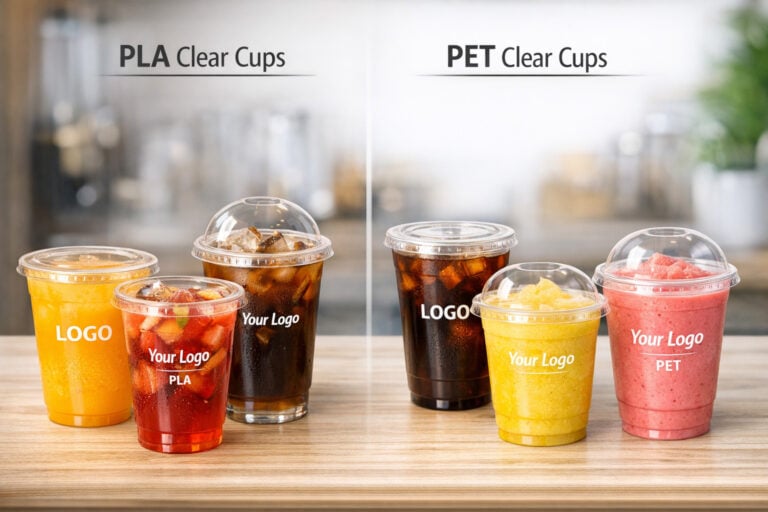
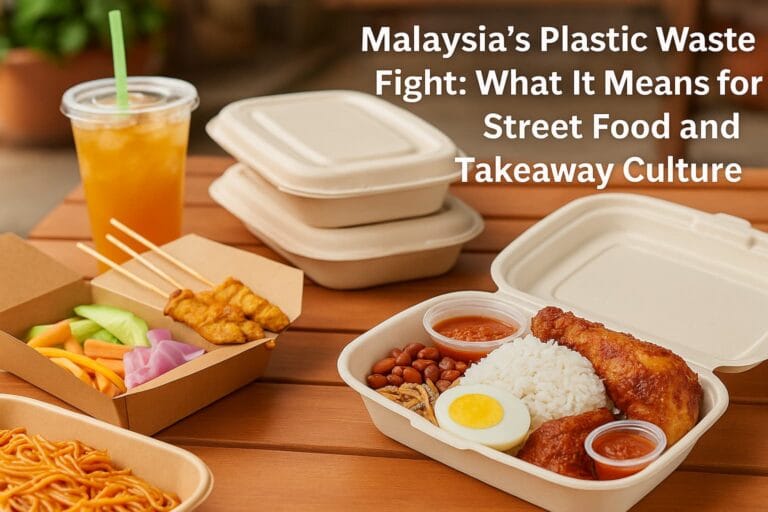
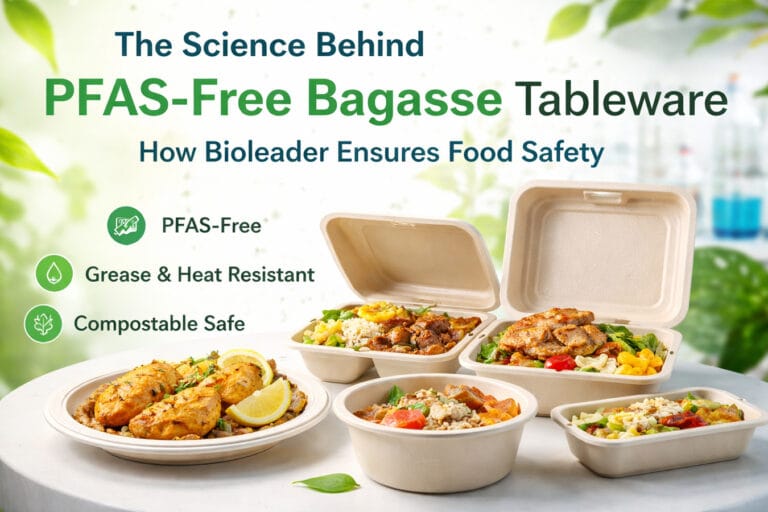
In today’s increasingly severe environmental crisis, compostable plastic cups are emerging as the ideal alternative to conventional plastic cups. While traditional plastic cups take centuries to degrade – polluting our environment and endangering ecosystems – compostable cups can rapidly break down into harmless compost under specific conditions, effectively solving both plastic pollution and resource waste. With policies like the EU’s “Plastic Ban” and growing consumer environmental awareness, a global packaging revolution is underway. Compostable plastic cups not only reduce carbon footprint by 60% but also enhance corporate image while winning over eco-conscious consumers. This article explores how this green transition achieves both environmental benefits and business value.


Yes, unlike plastic, our compostable bowls are made of soluble material (biodegradable in this case includes kraft paper & white cardboard), which are not harmful and will degrade safely after they have been thrown away.
We provide several dimensions with different volumetric capacities starting from 500ml up to 1500ml which would suffice various needs for portions.
In terms of volume, there are varieties of cups: 500ml, 750ml, 1000ml, 1090ml, 1200ml, 1300ml, and 1500ml. This means that for every portion of any size, there is a bowl available.
One of the most compelling reasons to switch to compostable plastic cups is their remarkable contribution to environmental sustainability. Unlike petroleum-based plastic cups, which can persist in landfills or oceans for over 400 years, compostable cups made from PLA or PHA break down into water, carbon dioxide, and biomass under the right composting conditions—typically within 90–180 days. According to the United Nations Environment Programme (UNEP), single-use plastics are a major contributor to global pollution, with over 300 million tons of plastic waste generated annually — compostable hotel cups. Compostable cups help mitigate this crisis by: Reducing landfill volume Avoiding microplastic pollution Supporting zero-waste and circular economy goals Converting organic waste into nutrient-rich compost for agriculture For event organizers, foodservice businesses, and cafés aiming for carbon neutrality, this switch can have a direct and measurable impact on Scope 3 emissions.
According to a 2024 report by Grand View Research, the global bioplastics packaging market is projected to reach USD 34.2 billion by 2030, growing at a CAGR of 13.1%. This growth is fueled by: Corporate ESG commitments from global brands (e.g., Starbucks, Unilever, McDonald’s) pledging to eliminate non-compostable plastics — compostable hotel cups. Public policy pressure (e.g., EU Green Deal, US Plastics Pact) enforcing strict packaging waste reduction. Consumer pressure demanding zero-waste alternatives in everything from festivals to food delivery — compostable hotel cups.
Join the global movement toward zero-waste packaging.
Bioleader® offers:
📦 Bulk order support & fast delivery
✍️ Custom branding and OEM solutions
🌍 Worldwide eco-packaging compliance
Get the Catalogue Products List & Contact Us Now! 👉
📧 Email : info@bioleaderpack.com
📲 WhatsApp : +86-15980856610
🟢 Wechat : bioleader
📍 Add : No.39 Xinglong Road, Xiamen, China
Copyright © 2015–2026 Xiamen Bioleader Environmental Protection Co., Ltd | All Rights Reserved. Privacy Policy | AI Policy | Sitemap
Welcome to Bioleader Pack! 🌿
👉 Get a Quick Quote, Customized & Sample Details. We're online to help with your sourcing needs!
📩 Need Catalog & Price List? Email us: info@bioleaderpack.com
⏰ Response within 6-12 hours.
(Due to timezone differences, if we're away, please email us or leave a message.)
Response time: < 8h | Catalog List
WhatsApp us