FAQ of Bioleader's Eco-friendly Disposable Tableware
Can individually wrapped plastic cutlery be customized?
Yes, many manufacturers offer custom wrapping designs and logo printing, helping businesses enhance their branding and provide a professional image to customers.
Why should businesses switch to environmentally friendly cutlery?
Switching to environmentally friendly cutlery helps reduce plastic waste, meets growing consumer demand for sustainable products, and enhances a business’s environmental reputation — compostable developments.
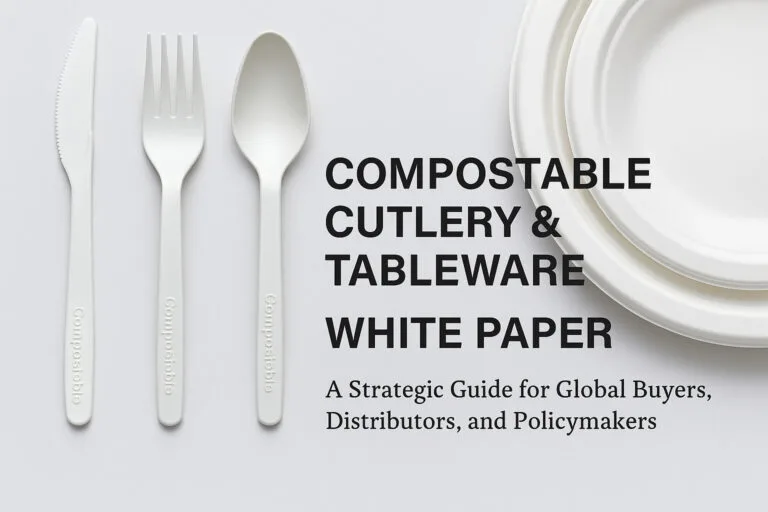
What is a PLA spoon compostable plastic spoon made from?
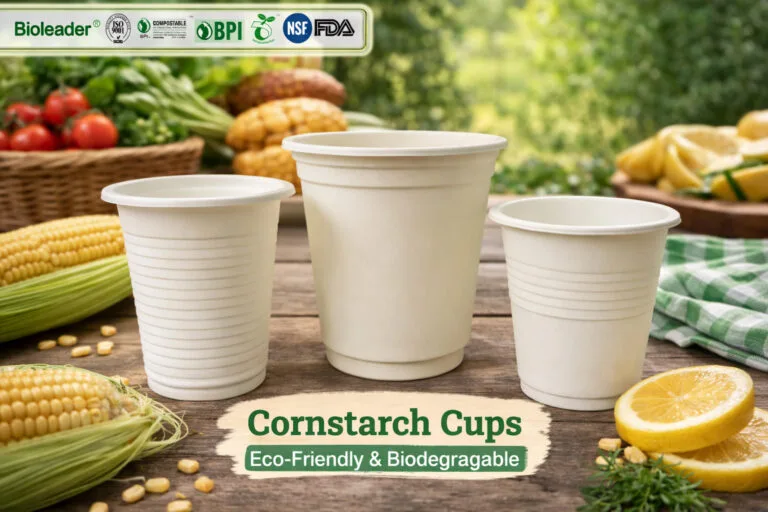
PLA spoons are made from polylactic acid, a plant-based bioplastic derived mainly from renewable resources like corn starch, making them biodegradable and compostable.
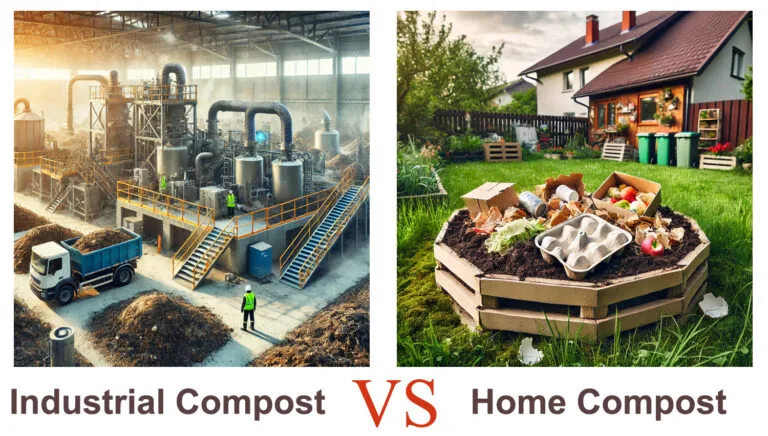
How Industrial Composting Works
Collection & Sorting: Organic waste and compostable materials are collected and sorted to remove contaminants. Shredding & Mixing: Materials are shredded to increase surface area, ensuring faster breakdown. Composting Phase: The mixture is placed in windrows, aerated piles, or in-vessel systems where temperature, moisture, and oxygen are regulated , compostable developments. Maturation: After several weeks or months, the compost stabilizes and becomes a nutrient-rich soil conditioner.
How Home Composting Works
Layering: A balanced mix of green waste (food scraps, grass clippings) and brown waste (dry leaves, cardboard, paper) is added — compostable developments. Aeration: The compost pile is turned regularly to ensure oxygen circulation. Moisture Control: Water is occasionally added to maintain an optimal moisture level. Decomposition: Microorganisms break down the materials over several weeks to months, creating nutrient-rich compost.