Trends In Compostable Cups China: Market Insights, Innovations & FAQs | Bioleader® Insights

Actionable coverage of compostable cups China: eco-friendly, biodegradable, compostable materials, performance data, and compliance under EN13432 & ASTM D6400. Includes BPI/TÜV references and Food-Contact Tested guidance for safe deployment. Buyer-focused: manufacturer insights, bulk/wholesale buying playbooks, OEM/ODM customization tips, full size range selection.
compostable cups China — Quick Summary
  • Items displayed (articles): 12
  • Last updated: 2025-03-11
  • Includes test data, compliance guides, buyer FAQs, and real-world use cases.

Editor’s Picks: Top Compostable Cups China Guides 2026

FAQ of Bioleader's Eco-friendly Disposable Tableware

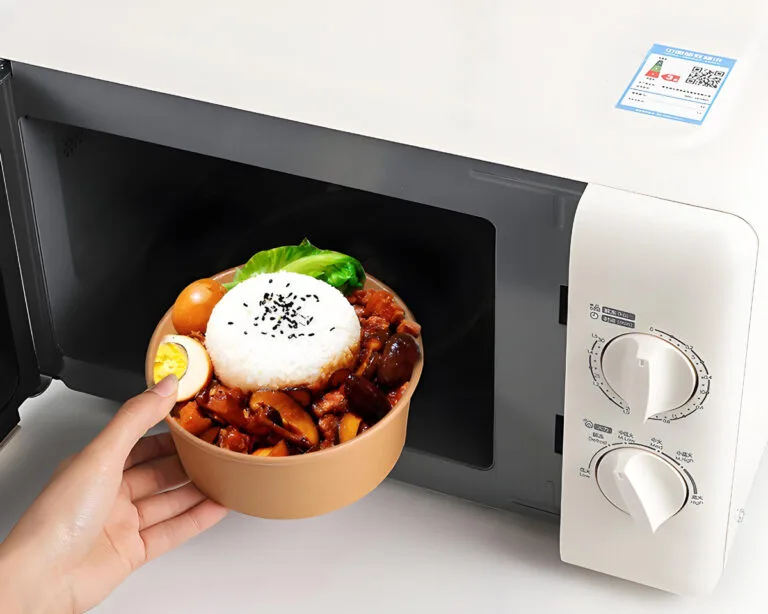
2. Are takeaway containers with lids microwave-safe?

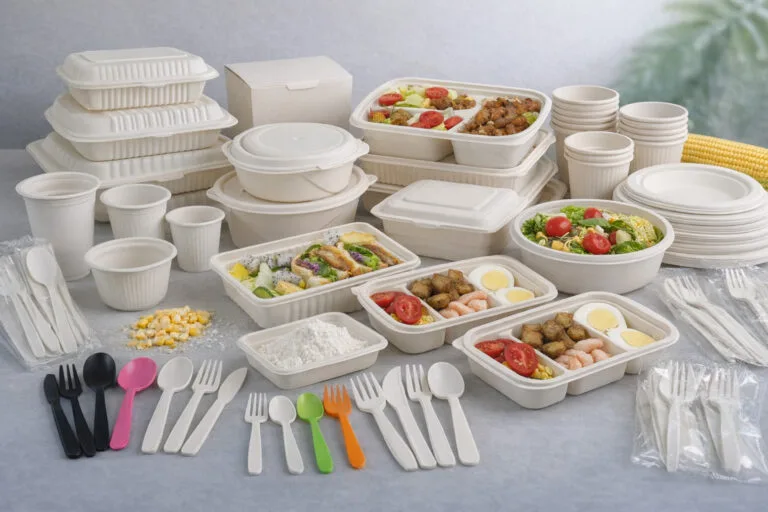
Yes, many takeaway containers—especially those made from sugarcane bagasse or microwave-safe plastics—are designed to withstand high temperatures — compostable cups China. Always check the specific material to ensure safe reheating.

Friendly to the environment

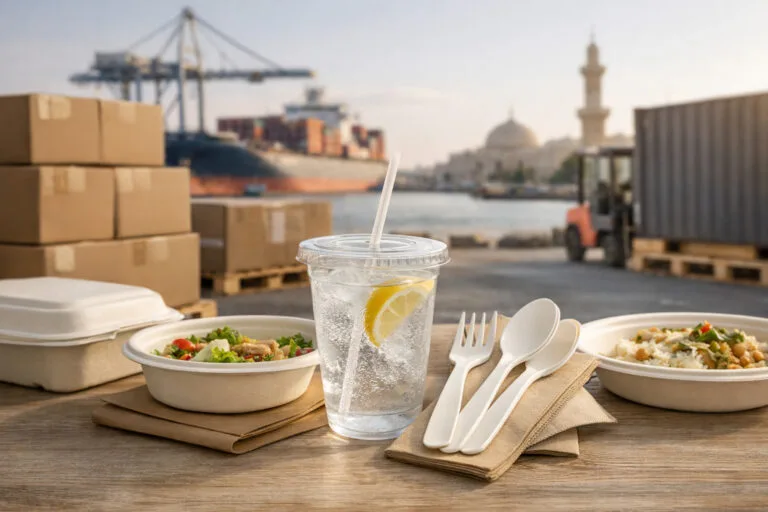
Biodegradable and Compostable: These disposable biodegradable bowls are compostable which makes it easier for the environment in the long run and also menaces plastic pollution , compostable cups China. Nontoxic: These bowls are made without the utilization of PFAS and BPA which allows them to be Free from chemical leaching into the food served.

2. Are bagasse trays safe for hot and cold foods?

Yes. Bagasse trays are heat-resistant up to 120°C and freezer-safe, making them suitable for both hot meals and cold items — compostable cups China. They are commonly used for takeout, school lunches, airline catering, and meal prep.

Disadvantages

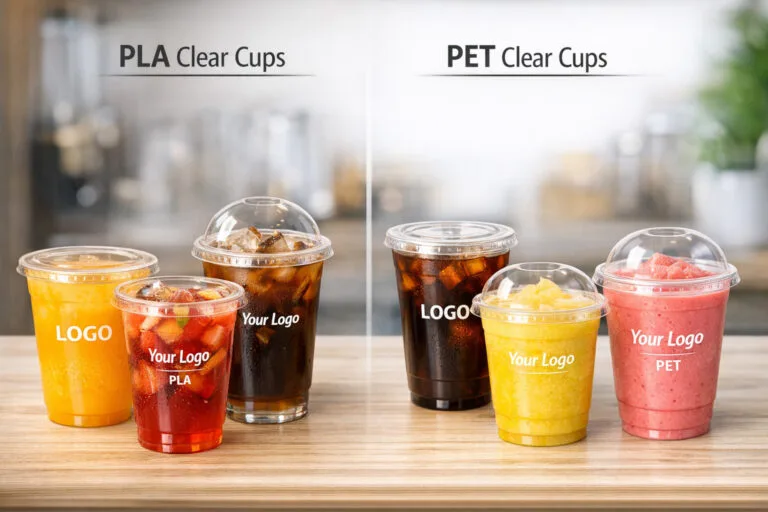
Heat Sensitivity: A lower melting point restricts its application to cold beverages primarily. Composting Infrastructure Dependency: Requires specialized industrial composting conditions, making it challenging for regions lacking such facilities.

What Are PHAs Cups Made Of?

Polyhydroxyalkanoates (PHAs) are biodegradable polyesters synthesized by microbial fermentation of sugars or lipids. Unlike PLA, PHAs naturally occur within bacteria as a carbon reserve. Their molecular composition and physical properties can be tailored by altering microbial cultures and fermentation conditions, offering materials ranging from rigid plastics to flexible films. PHAs uniquely degrade in various environments, including soil, freshwater, and marine ecosystems, which broadens their environmental applicability.

Related Insights

🚀Ready to Go Green and Choose ?

Join the global movement toward zero-waste packaging.


Bioleader® offers:

  • 📦 Bulk order support & fast delivery

  • ✍️ Custom branding and OEM solutions

  • 🌍 Worldwide eco-packaging compliance

Get the Catalogue Products List  & Contact Us Now! 👉

Contact us Below

Click or drag files to this area to upload.You can upload up to 5 files.
The more details you share, the faster and more accurate our quotation will be.