Compostable Cocktail Cups Vs Alternatives: Cost, Performance, Sustainability | Bioleader® Insights

Actionable coverage of compostable cocktail cups: eco-friendly, biodegradable, compostable materials, performance data, and compliance under EN13432 & ASTM D6400. Includes BPI/TÜV references and Food-Contact Tested guidance for safe deployment. Buyer-focused: manufacturer insights, bulk/wholesale buying playbooks, OEM/ODM customization tips, full size range selection.
compostable cocktail cups — Quick Summary
  • Items displayed (articles): 12
  • Last updated: 2025-04-14
  • Includes test data, compliance guides, buyer FAQs, and real-world use cases.

Editor’s Picks: Top Compostable Cocktail Cups Guides 2026

FAQ of Bioleader's Eco-friendly Disposable Tableware

PFAS-Free and BPA-Free

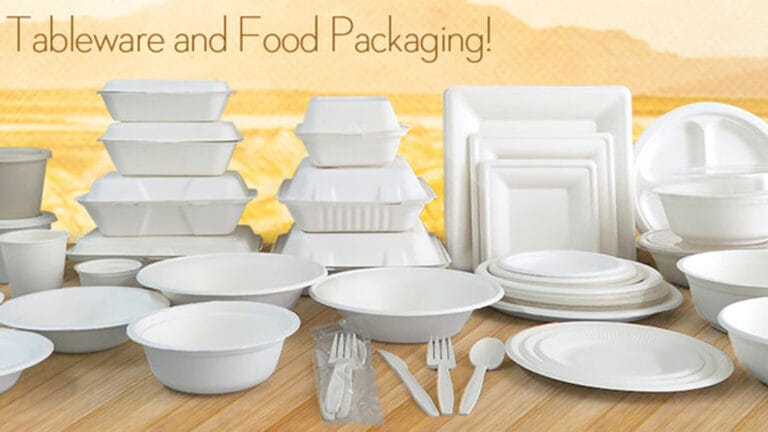
We prioritize safety by ensuring our molded pulp trays are PFAS-free and BPA-free. Unlike many traditional food packaging materials that contain harmful chemicals, our trays offer peace of mind and meet rigorous health and safety standards. This makes them a safer option for direct food contact.

Sturdy and Reliable Construction

Our bagasse containers are built to withstand various conditions, from hot meals to refrigeration , compostable cocktail cups. The durable design ensures they retain their shape and functionality, making them a trusted solution for food takeaway, delivery, and more — compostable cocktail cups. With these containers with lids, you can rely on consistent performance every time. Ideal for a Variety of Applications Our takeaway containers with lids are perfect for multiple uses, including restaurants, food packaging, takeaways, and food deliveries.

2. Are bagasse trays safe for hot and cold foods?

Yes. Bagasse trays are heat-resistant up to 120°C and freezer-safe, making them suitable for both hot meals and cold items. They are commonly used for takeout, school lunches, airline catering, and meal prep.

Material Composition

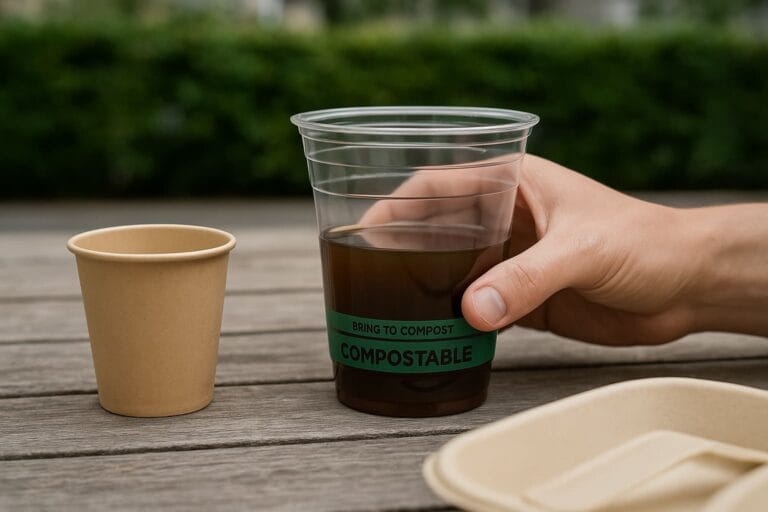
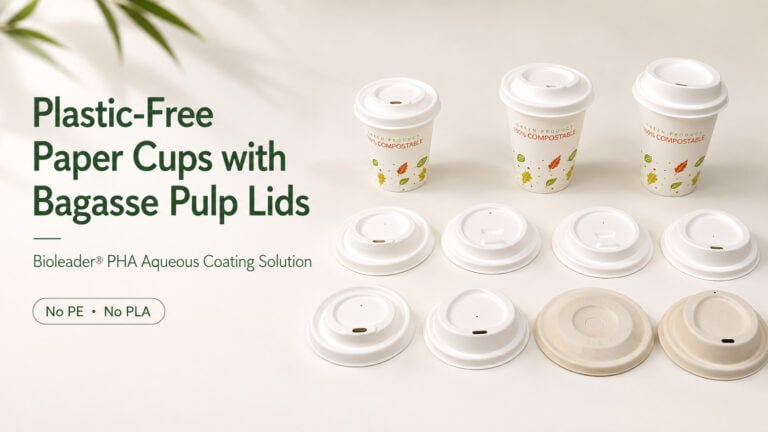
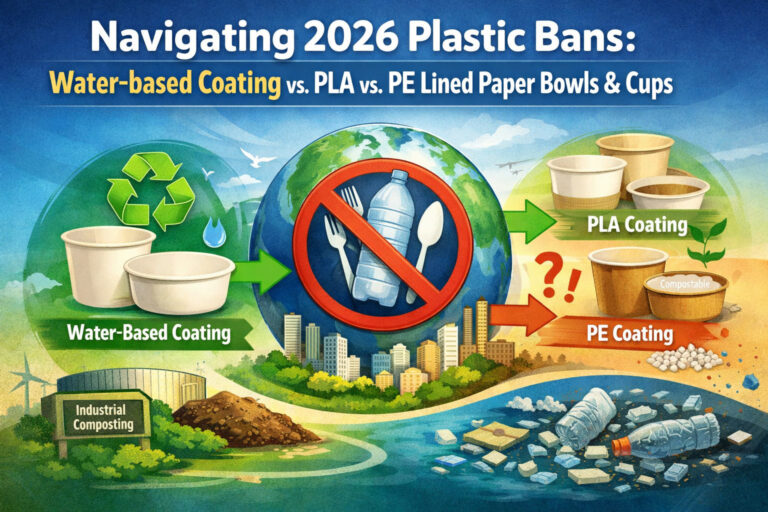
Compostable Cups: Made from renewable, plant-based materials (e.g., PLA, PHA). Traditional Plastic Cups: Derived from non-renewable petroleum-based resources.

📊 Global Market Trends

According to a 2024 report by Grand View Research, the global bioplastics packaging market is projected to reach USD 34.2 billion by 2030, growing at a CAGR of 13.1%. This growth is fueled by: Corporate ESG commitments from global brands (e.g., Starbucks, Unilever, McDonald’s) pledging to eliminate non-compostable plastics. Public policy pressure (e.g., EU Green Deal, US Plastics Pact) enforcing strict packaging waste reduction — compostable cocktail cups. Consumer pressure demanding zero-waste alternatives in everything from festivals to food delivery.

Related Insights

🚀Ready to Go Green and Choose ?

Join the global movement toward zero-waste packaging.


Bioleader® offers:

  • 📦 Bulk order support & fast delivery

  • ✍️ Custom branding and OEM solutions

  • 🌍 Worldwide eco-packaging compliance

Get the Catalogue Products List  & Contact Us Now! 👉

Contact us Below

Click or drag files to this area to upload.You can upload up to 5 files.
The more details you share, the faster and more accurate our quotation will be.