FAQ of Bioleader's Eco-friendly Disposable Tableware
What is a PLA spoon compostable plastic spoon made from?
PLA spoons are made from polylactic acid, a plant-based bioplastic derived mainly from renewable resources like corn starch, making them biodegradable and compostable.
Are compostable sporks safe for hot and cold foods?
Yes, compostable sporks are designed to handle both hot and cold foods — clamshell packaging eco friendly. They maintain their strength and stability even when used with soups, salads, or hot dishes — clamshell packaging eco friendly.
Can biodegradable plastic cutlery be composted at home?
Some biodegradable plastic forks and spoons can be composted at home, but most require the higher temperatures and controlled conditions found in industrial composting facilities for complete breakdown — clamshell packaging eco friendly.
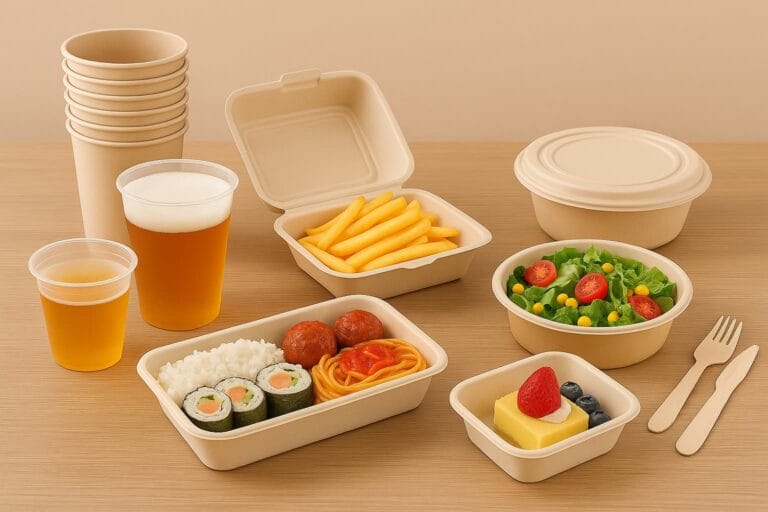
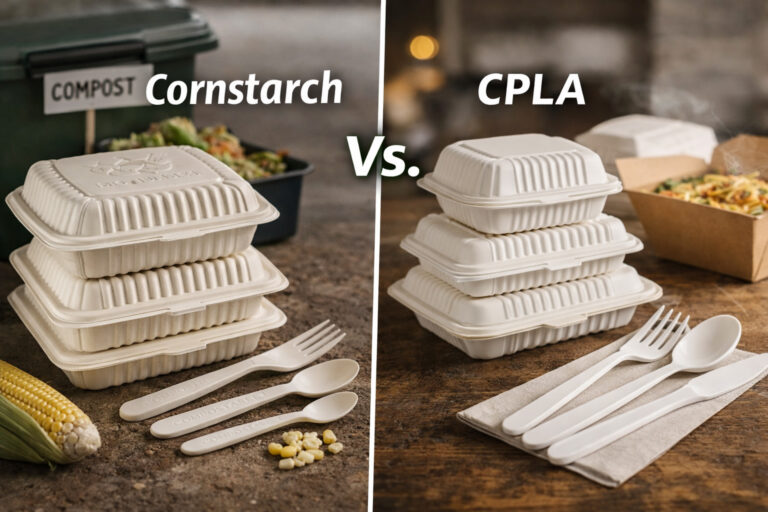
How to Implement Cornstarch Containers:
Tips: Provide instructions to customers about proper disposal, emphasizing that these containers should be composted where facilities exist. Techniques: When ordering cornstarch-based packaging, request a performance test if you plan to package very hot foods or liquids. This ensures the container will hold up. Best Practices: Brand them as compostable to distinguish from conventional plastics and encourage responsible consumer behavior.
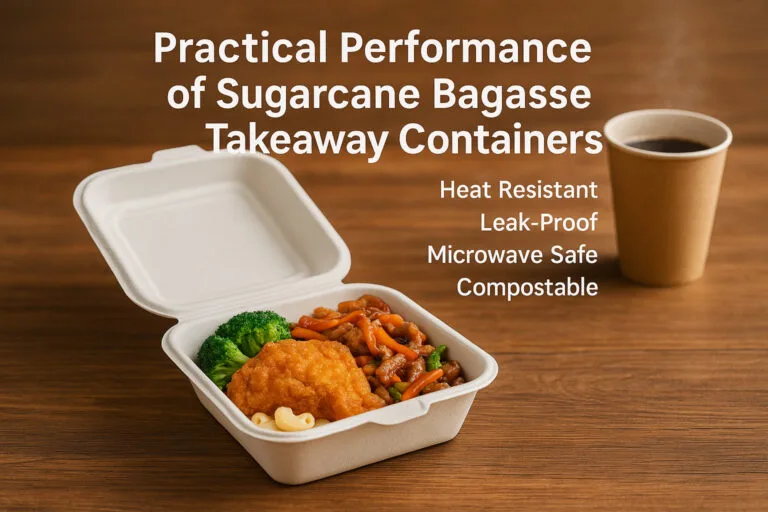
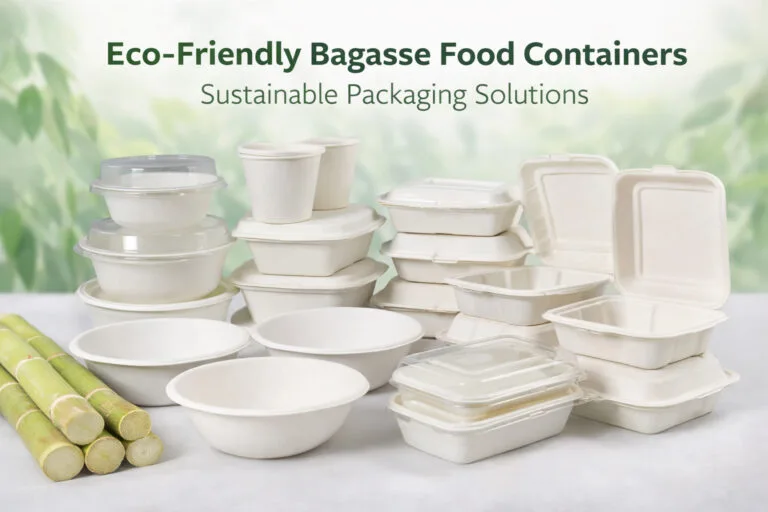
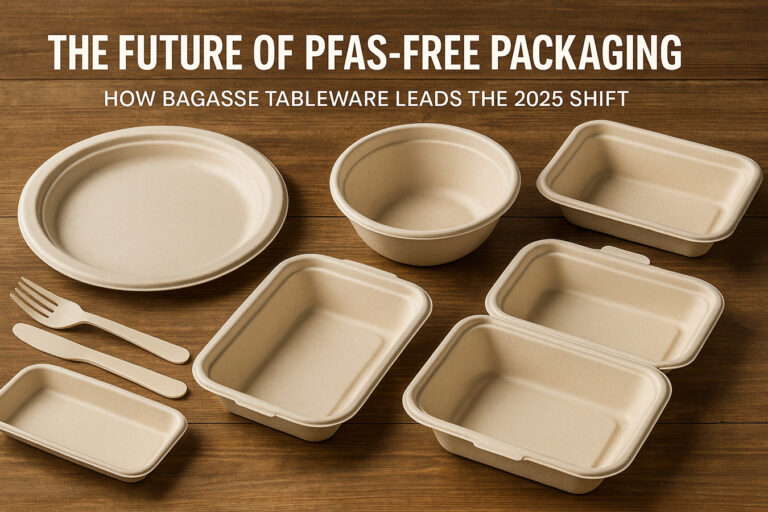
How to Integrate Bagasse Containers:
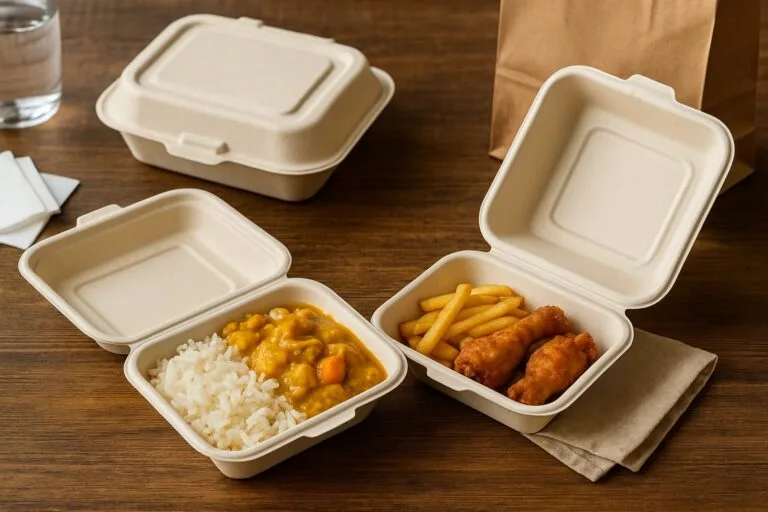
Tips: For best results, use bagasse containers for foods that are not extremely liquid or greasy. This helps maintain structural integrity. Techniques: Store these containers in a dry, cool environment to preserve their strength. Best Practices: Label the containers as compostable clamshell, and, if possible, partner with local composting facilities to encourage proper disposal.