Guide To Circular Economy: Materials, Standards & Best Practices | Bioleader® Insights

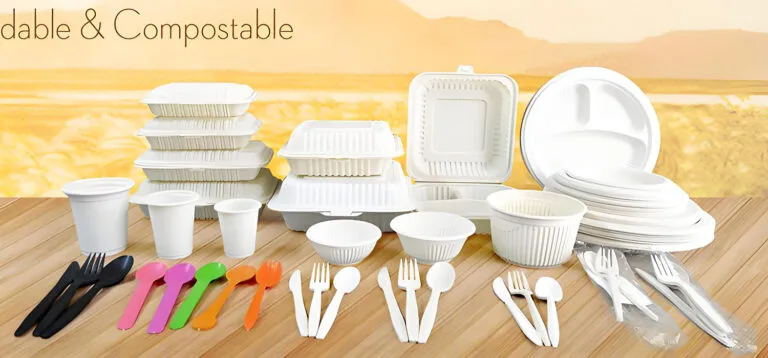
Actionable coverage of Circular Economy: eco-friendly, biodegradable, compostable materials, performance data, and compliance under EN13432 & ASTM D6400. Includes BPI/TÜV references and Food-Contact Tested guidance for safe deployment. Buyer-focused: manufacturer insights, bulk/wholesale buying playbooks, OEM/ODM customization tips, full size range selection.
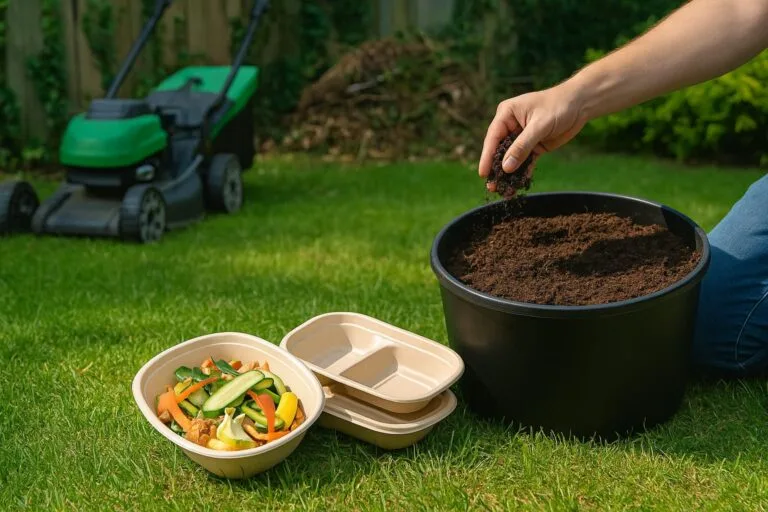
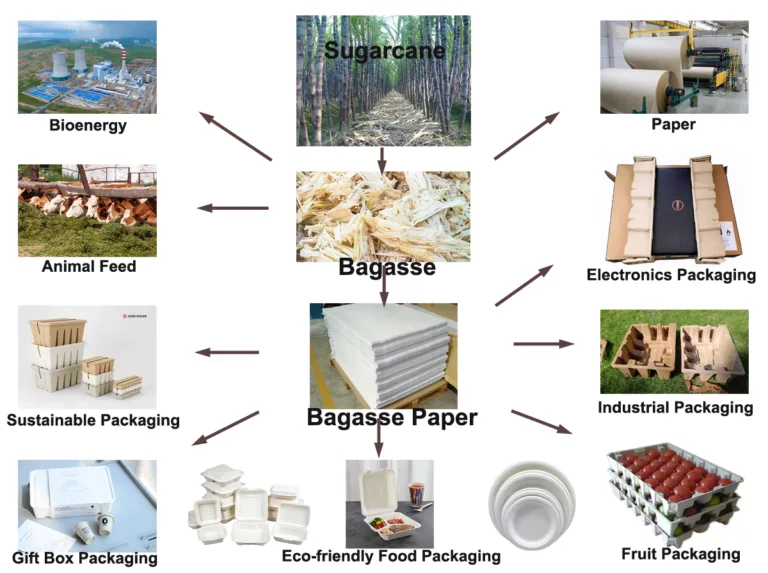
Quick Summary: Compost for grass is a sustainable way to feed your lawn naturally without chemical fertilizers. It improves soil structure, boosts microbial life, and supports a circular ecosystem where kitchen waste and compostable materials like bagasse or cornstarch tableware return to nourish the earth. This beginner-friendly guide explains why compost matters, how to make and apply it, and how eco packaging closes the loop between table and turf.
Circular Economy — Quick Summary
  • Items displayed (articles): 12
  • Last updated: 2025-11-03
  • Includes test data, compliance guides, buyer FAQs, and real-world use cases.

Editor’s Picks: Top Circular Economy Guides 2026

FAQ of Bioleader's Eco-friendly Disposable Tableware

Is it suitable for serving cold foods?

Absolutely , Circular Economy. Such paper food containers are good for salads frozen desserts and other cold foods.

Do these containers stand temperature pressures like microwaves?

Yes, our salad to go container with locking lid is microwave-safe safe so the consumers can heat their food substances without any problems — Circular Economy.

Do the containers comply with environmentally friendly customs?

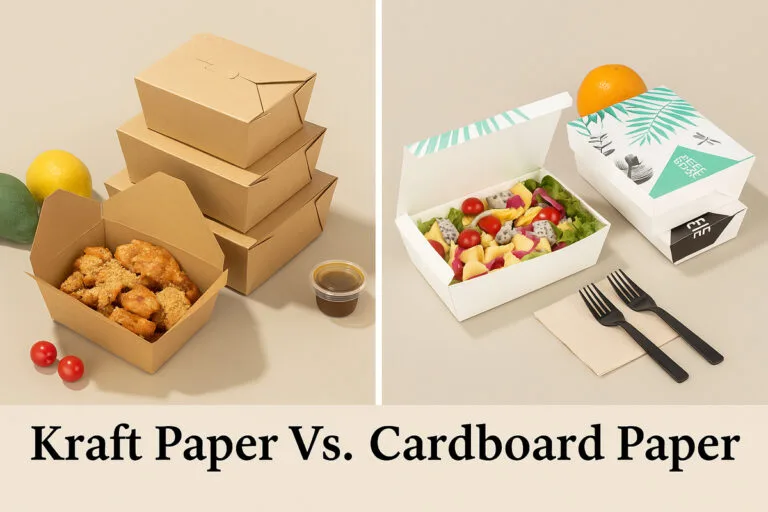
Yes, our to go salad bowls are eco friendly because it is made of biodegradable materials such as kraft paper and white paper card board which is better than plastic , Circular Economy.

Arid Climates (Australia, Middle East)

Cover piles to prevent evaporation. Mix in shredded paper or bagasse fibers to retain humidity. Every region can compost successfully—the key is adjusting water, air, and carbon balance to match the local environment. The Environmental Benefits of Composting Grass Waste Every ton of composted organic waste can save up to 0.25 tons of CO₂ emissions and divert over 500 kg of material from landfills.

1) Japan’s culture of presentation and the global spillover

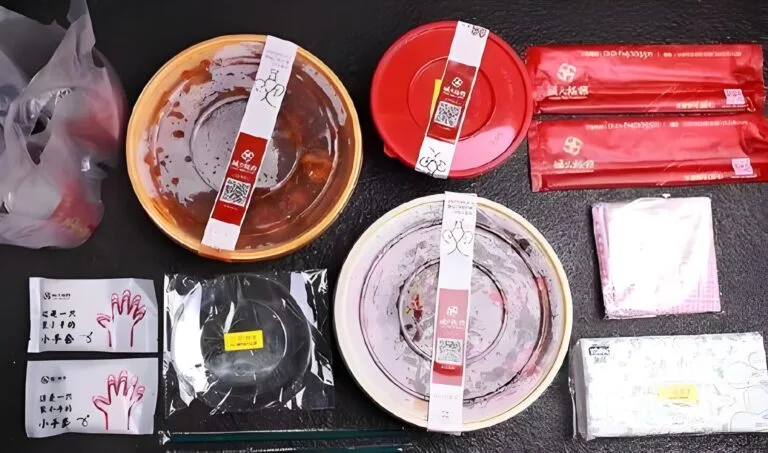
Japan’s long tradition of refined gifting and food presentation—wrapping, layers, impeccable cleanliness—has influenced retail and foodservice packaging across Asia. In the right context (department stores, luxury confectionery), layered presentation makes sense: the package is part of the value proposition and often retained. Transplanted into high-frequency takeout, however, the same layering becomes throughput waste: single-use items built to look durable. Japans packaging culture

Related Insights

🚀Ready to Go Green and Choose ?

Join the global movement toward zero-waste packaging.


Bioleader® offers:

  • 📦 Bulk order support & fast delivery

  • ✍️ Custom branding and OEM solutions

  • 🌍 Worldwide eco-packaging compliance

Get the Catalogue Products List  & Contact Us Now! 👉

Contact us Below

Click or drag files to this area to upload.You can upload up to 5 files.
The more details you share, the faster and more accurate our quotation will be.