FAQ of Bioleader's Eco-friendly Disposable Tableware
Durable, Leak-Proof Design
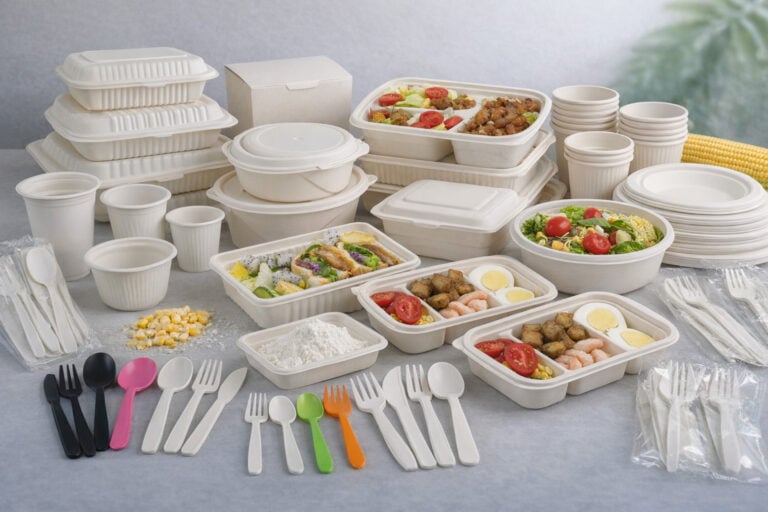
Our bagasse pulp trays offer excellent waterproof and oil-resistant properties, making them ideal for a variety of food items, from oily dishes to soups , cheap bioplastic. Their durable structure prevents leaks and breakage, ensuring a mess-free, reliable packaging experience. This strength and reliability make them suitable for demanding food service settings, including high-volume takeaway and food delivery. Practical Applications of Molded Pulp Trays
2. Are compostable food trays microwave-safe?
Yes, most compostable food trays made from bagasse or sugarcane pulp are microwave-safe. They can safely withstand typical microwave heating conditions without releasing harmful substances or losing structural integrity.
2. What materials are commonly used for takeaway trays with lids?
These trays are typically made from sugarcane bagasse, kraft paper, aluminum, or plastic (PP or PET) , cheap bioplastic. Eco-friendly versions are made from compostable materials like molded fiber or PLA, offering sustainable alternatives to plastic foam trays.
Raw Material Sources
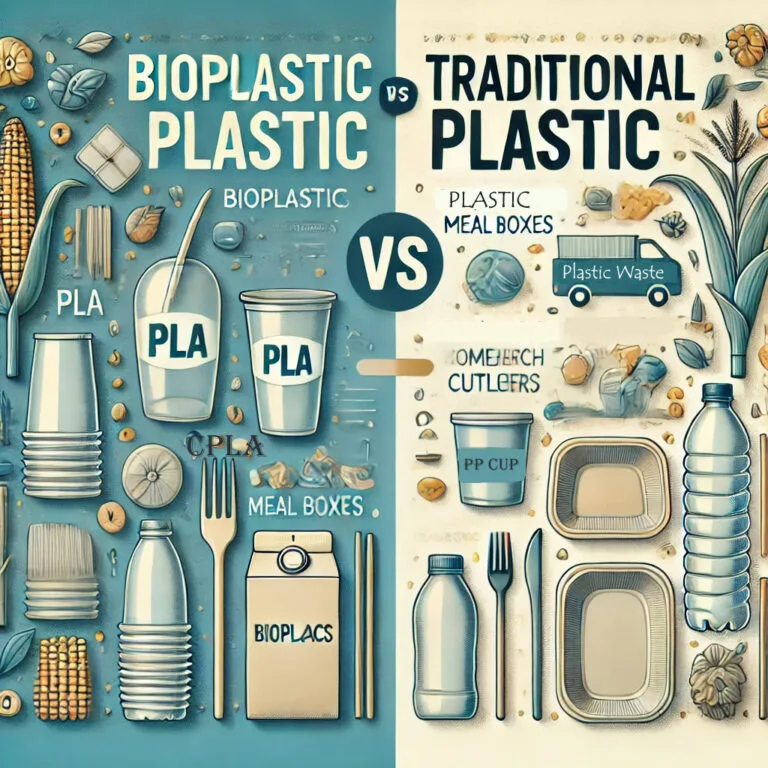
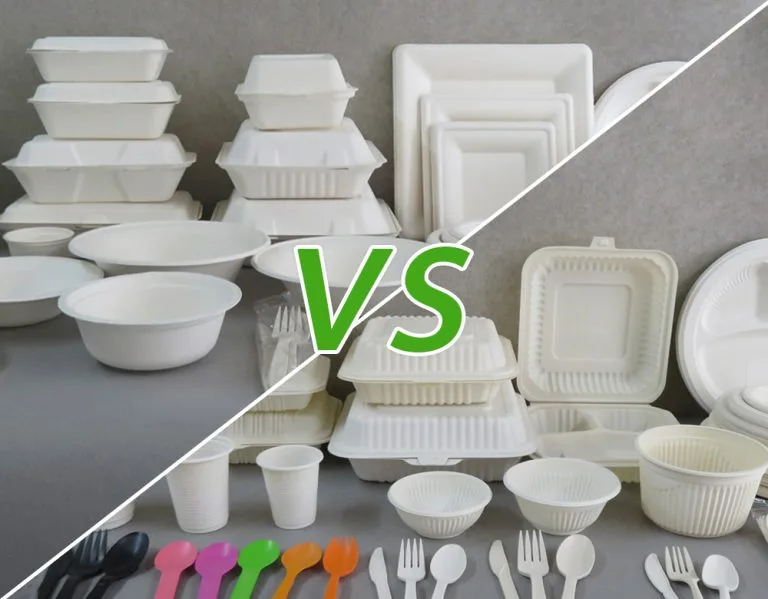
Traditional Plastics: Petrochemical feedstocks derived from crude oil or natural gas. Bioplastics: Renewable biological sources such as corn, sugar beet, sugarcane, or even cellulose from wood pulp — cheap bioplastic. The shift from fossil fuels to renewable resources can theoretically reduce the carbon intensity of plastic production. However, some critics argue that using agricultural land for bioplastic feedstocks could compete with food production, potentially driving up food prices or leading to deforestation.
Comparison Table: Bioplastic vs. Traditional Plastic
Criteria Bioplastics Traditional Plastics Raw Material Source Derived from renewable sources (e.g., cornstarch, sugarcane, algae) Produced from fossil fuels (oil, natural gas) Environmental Impact Lower carbon footprint; potential for biodegradability in industrial composting; may compete with food crops High carbon footprint; persists in the environment; generates microplastics and long-term waste Cost Higher production cost due to complex processing; prices are gradually decreasing with scaling Lower production cost; economies of scale and mature supply chains help maintain cost efficiency End-of-Life Options Some varieties are compostable under controlled conditions; recycling options are limited and depend on local infrastructure Can be recycled, but recycling rates are generally low; degrades very slowly, contributing to long-term pollution Scalability Current production capacity is relatively limited; expected to grow with increased demand driven by policy support and consumer preference Highly scalable with an established global production network; dominant in most applications despite environmental drawbacks Expert Opinions and Scientific Perspectives