Actionable coverage of BPI certified: eco-friendly, biodegradable, compostable materials, performance data, and compliance under EN13432 & ASTM D6400. Includes BPI/TÜV references and Food-Contact Tested guidance for safe deployment. Buyer-focused: manufacturer insights, bulk/wholesale buying playbooks, OEM/ODM customization tips, full size range selection.
Quick Summary:
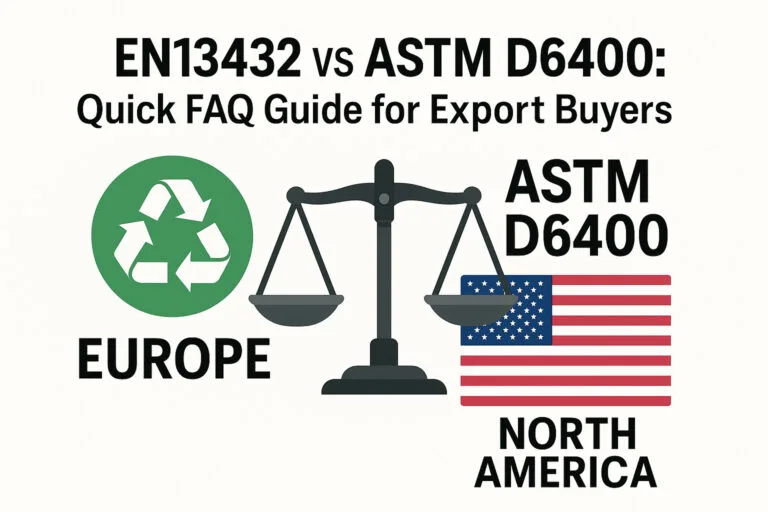
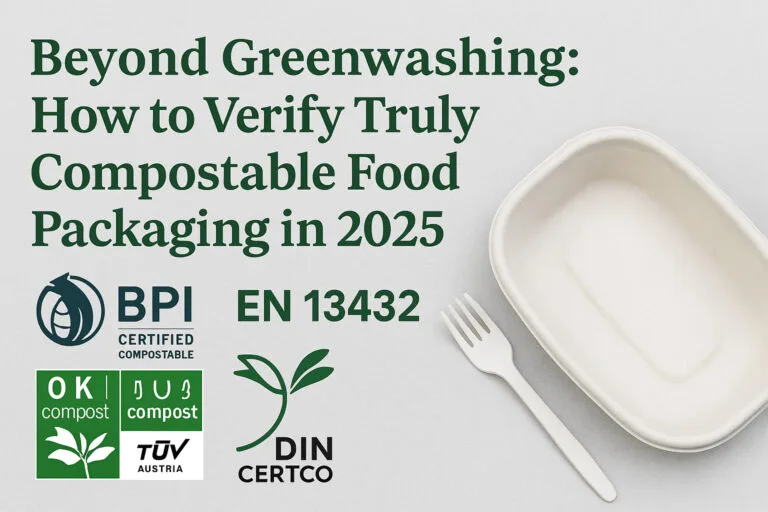
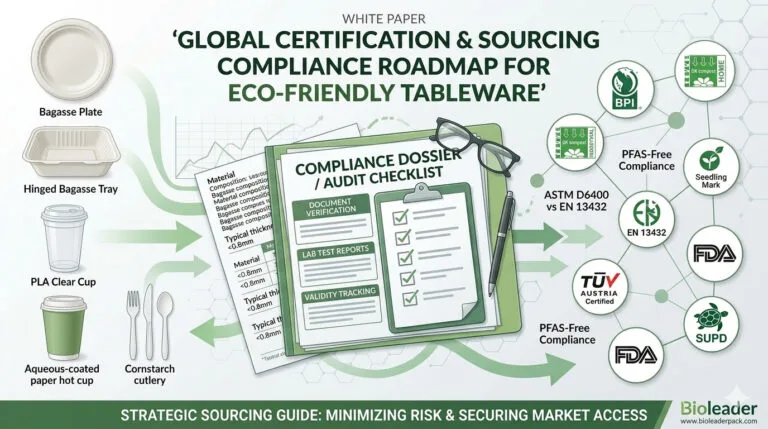
EN13432 and ASTM D6400 are equivalent industrial compostability standards—EN13432 applies in Europe, ASTM D6400 in North America. Both require at least 90% biodegradation within 180 days, full disintegration, and eco-safety. EN13432 certifications come from TÜV Austria or DIN CERTCO; ASTM D6400 often comes with BPI certification. For export compliance, brands must carry the appropriate mark and register in EPR systems like LUCID (Germany) or Triman (France), or conform with U.S. regulations to avoid customs delays and greenwashing claims.
BPI certified — Quick Summary
Items displayed (articles): 12
Last updated: 2025-07-26
Includes test data, compliance guides, buyer FAQs, and real-world use cases.
FAQ of Bioleader's Eco-friendly Disposable Tableware
Is it suitable for serving cold foods?
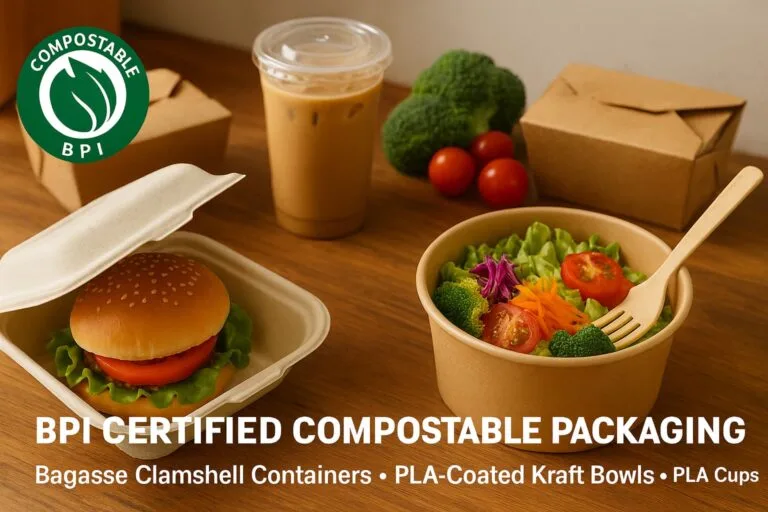
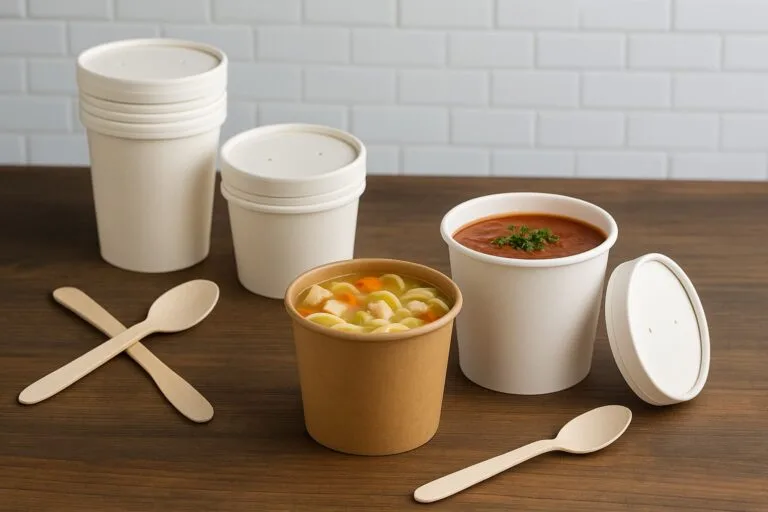
Absolutely. Such paper food containers are good for salads frozen desserts and other cold foods — BPI certified.
Can these bowls safely contain hot food without leaking?
Definitely. These biodegradable disposable bowls are designed to hold both hot and cold food without any leakage or deformation, ensuring a mess-free experience.
Is it really compostable?
Yes, these salad bowls compostable are made from biodegradable materials such as kraft paper and white cardboard paper which allow it to biodegrade when discarded appropriately.
What is the difference between EN13432 and ASTM D6400?
EN13432 is the European compostability standard focused on packaging, while ASTM D6400 is the North American equivalent covering plastics and packaging — BPI certified. Both require full product testing and biodegradation within six months, but apply to different markets and regulatory systems.
Can you use “compostable” labels without certification?
No , BPI certified. Both the EU and U.S. have strict regulations on compostability claims. Using the term “compostable” without valid third-party certification (EN13432, ASTM D6400) may lead to fines, bans, or product recalls.