FAQ of Bioleader's Eco-friendly Disposable Tableware
Why should businesses switch to earth friendly disposable cutlery?
Switching to earth friendly disposable cutlery helps reduce plastic waste, meets eco-conscious consumer demand, and positions a business as a leader in sustainability.
What are Earth Friendly Utensils Disposable Cutlery made from?
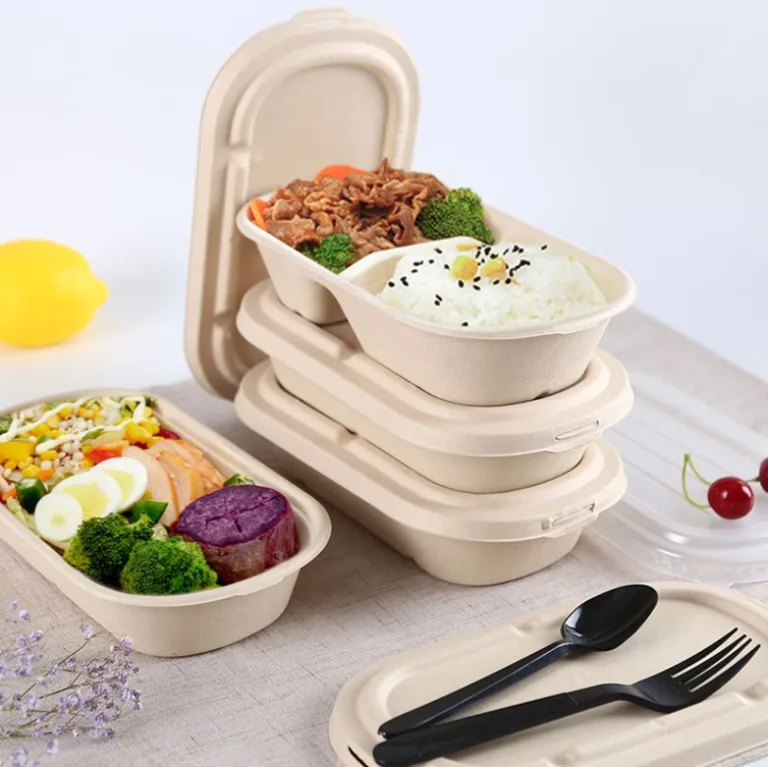
Earth Friendly Utensils Disposable Cutlery is made from renewable plant-based materials like cornstarch or PLA, making them biodegradable and compostable.
How long does it take for bio plastic cutlery to decompose?
Under industrial composting conditions, bio plastic cutlery generally decomposes within 90 to 180 days, depending on the material and composting environment — BPI certified cups.
1. Environmental Sustainability: A Circular Solution
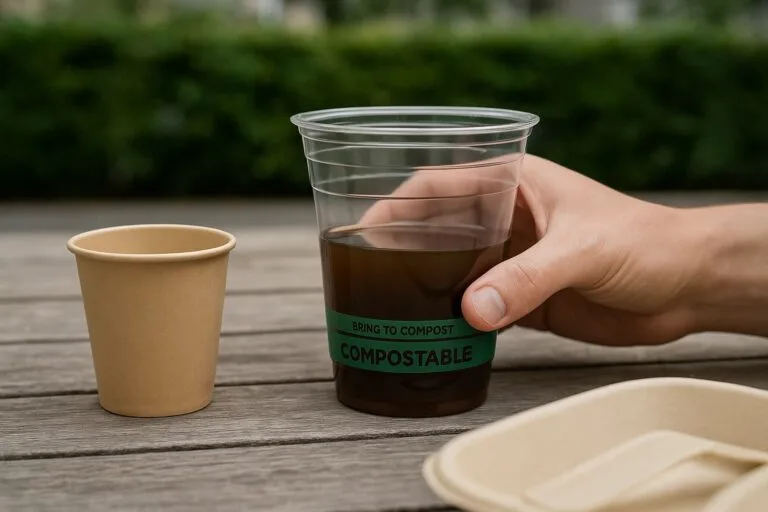
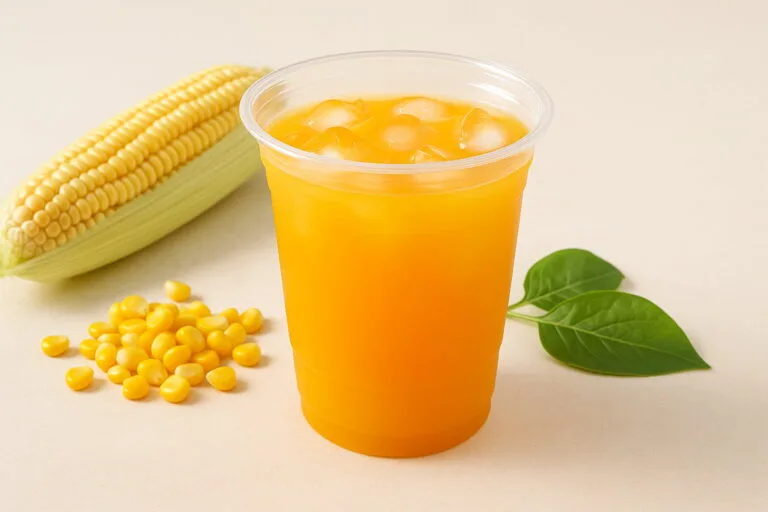
One of the most compelling reasons to switch to compostable plastic cups is their remarkable contribution to environmental sustainability. Unlike petroleum-based plastic cups, which can persist in landfills or oceans for over 400 years, compostable cups made from PLA or PHA break down into water, carbon dioxide, and biomass under the right composting conditions—typically within 90–180 days. According to the United Nations Environment Programme (UNEP), single-use plastics are a major contributor to global pollution, with over 300 million tons of plastic waste generated annually , BPI certified cups. Compostable cups help mitigate this crisis by: Reducing landfill volume Avoiding microplastic pollution Supporting zero-waste and circular economy goals Converting organic waste into nutrient-rich compost for agriculture For event organizers, foodservice businesses, and cafés aiming for carbon neutrality, this switch can have a direct and measurable impact on Scope 3 emissions , BPI certified cups.
Health Considerations
Compostable Cups: Free from harmful chemicals like BPA. Traditional Plastic Cups: May contain toxic substances that can leach into beverages.