Bioplastics Compliance Checklist | Bioleader® Sustainable Packaging

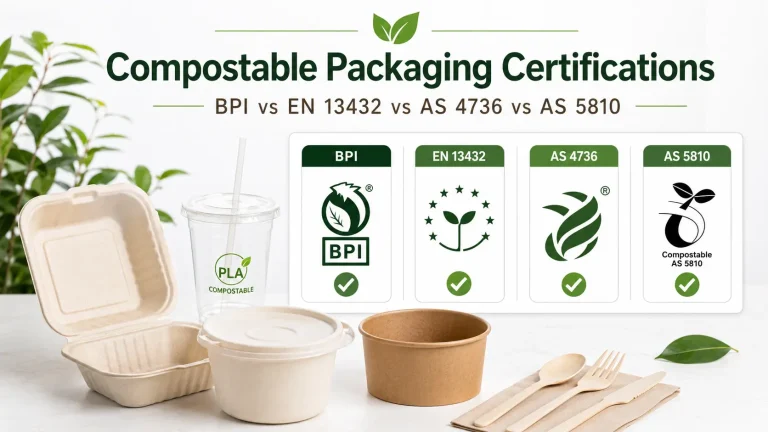
Actionable coverage of Bioplastics: eco-friendly, biodegradable, compostable materials, performance data, and compliance under EN13432 & ASTM D6400. Includes BPI/TÜV references and Food-Contact Tested guidance for safe deployment. Buyer-focused: manufacturer insights, bulk/wholesale buying playbooks, OEM/ODM customization tips, full size range selection.

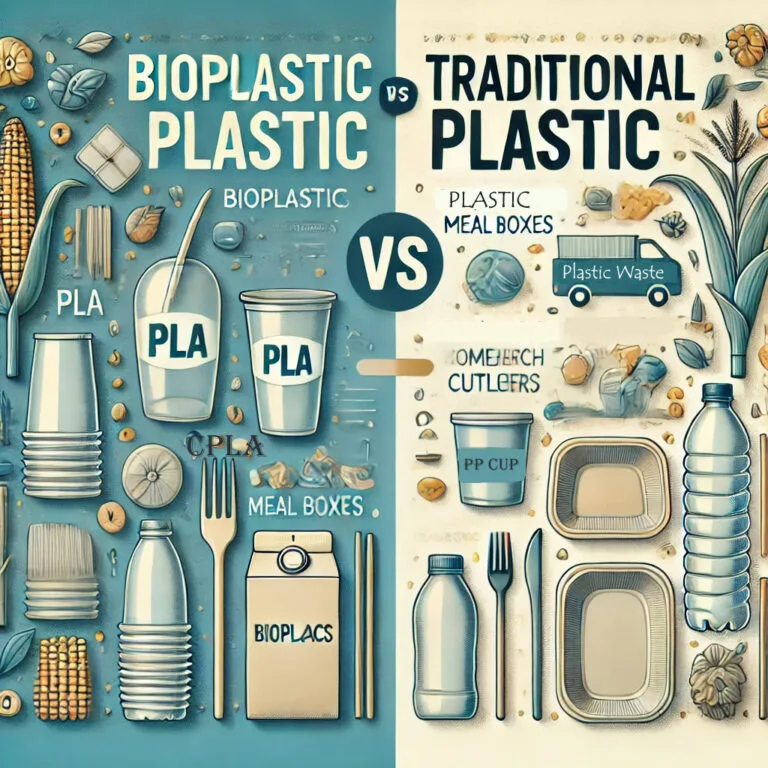
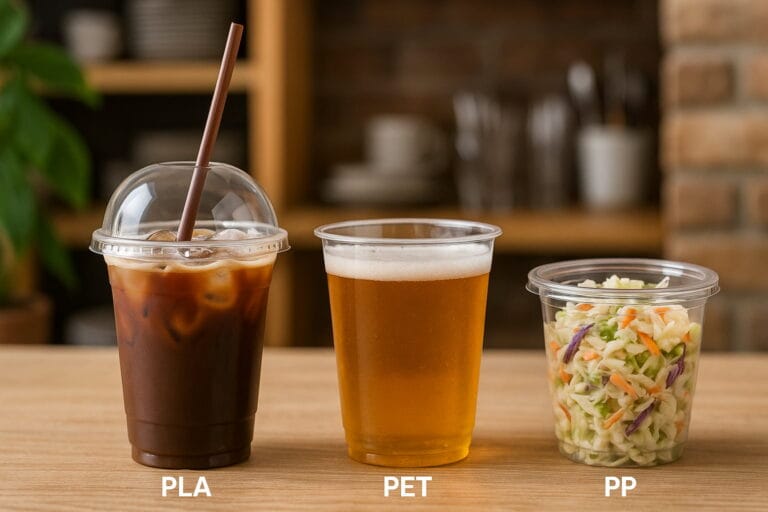
In an era when environmental concerns dominate headlines, the question of whether bioplastics truly offer a sustainable alternative to traditional plastics has taken center stage. The short answer is that bioplastics do indeed represent a promising route to reducing pollution and dependence on fossil fuels—but their real-world impact depends on responsible production, consumer awareness, and efficient waste management systems. Over the next several sections, we will dive deep into the differences between bioplastics and traditional plastics, highlight expert opinions and scientific research, and showcase practical applications such as Bioleader’s cornstarch tableware and PLA clear cups. By the end of this discussion, you will have a clearer understanding of where each type of plastic stands in today’s rapidly evolving market, as well as the challenges and opportunities that lie ahead.

Bioplastics — Quick Summary
  • Items displayed (articles): 12
  • Last updated: 2025-02-20
  • Includes test data, compliance guides, buyer FAQs, and real-world use cases.

Editor’s Picks: Top Bioplastics Guides 2026

FAQ of Bioleader's Eco-friendly Disposable Tableware

Can they be used for hot food?

Absolutely. These bowl compostable containers are made in a way that even hot dishes can be served in them… , Bioplastics.

What sizes are available?

In respect of quantity, we are not limited as we have containers of 500ml, 750ml, 1000ml units to 1090ml, 1200ml, 1300ml, 1500ml, etc, so there is always a need , Bioplastics.

FSC-certified Wood Paper Materials: Kraft Paper and White Cardboard Paper

Our to go bowls with lids are made from two main types of materials: Kraft paper and white cardboard paper. Kraft paper is brown and more coarse than most papers and has high toughness and some water-resistant properties which make it good for holding medium-to-heavy and medium-hot food items. Conversely, the white cardboard paper provides an aesthetic appeal even as it remains tough , Bioplastics. Both of these materials can be recycled and are environmentally friendly – a fact that helps in the packaging design that conforms to the current green principles and yet maintains the needed standard.

Raw Material Sources

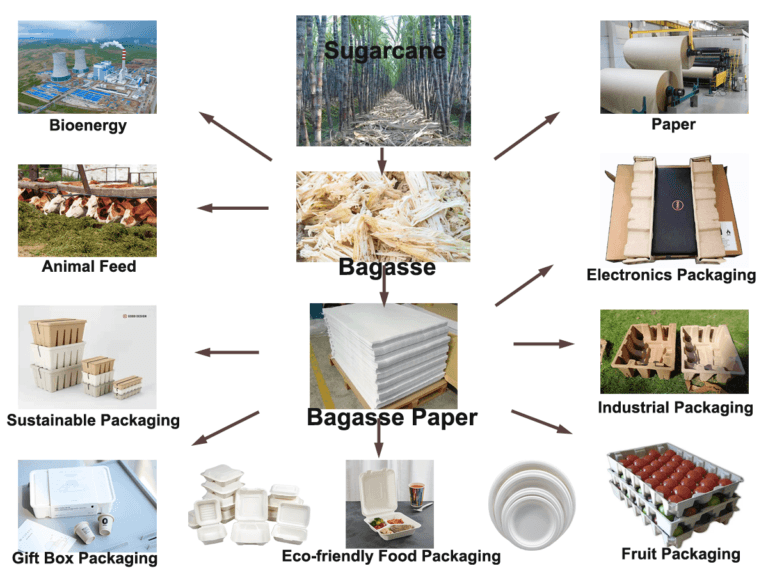
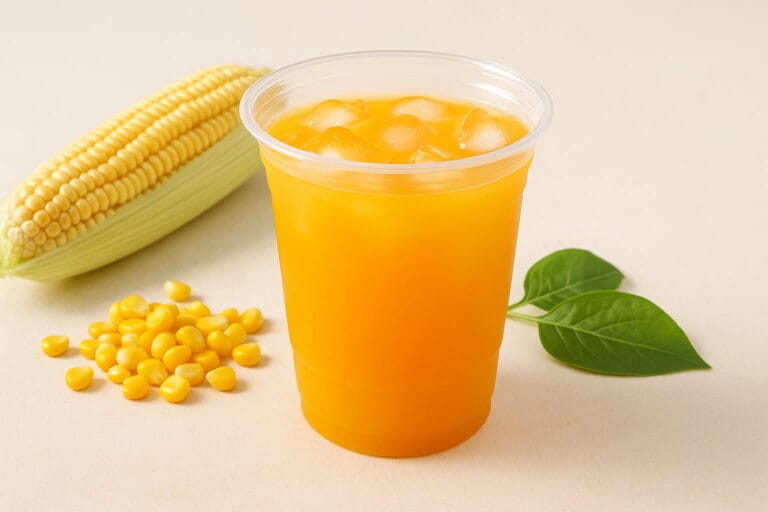
Traditional Plastics: Petrochemical feedstocks derived from crude oil or natural gas. Bioplastics: Renewable biological sources such as corn, sugar beet, sugarcane, or even cellulose from wood pulp. The shift from fossil fuels to renewable resources can theoretically reduce the carbon intensity of plastic production. However, some critics argue that using agricultural land for bioplastic feedstocks could compete with food production, potentially driving up food prices or leading to deforestation.

Ability to be composted

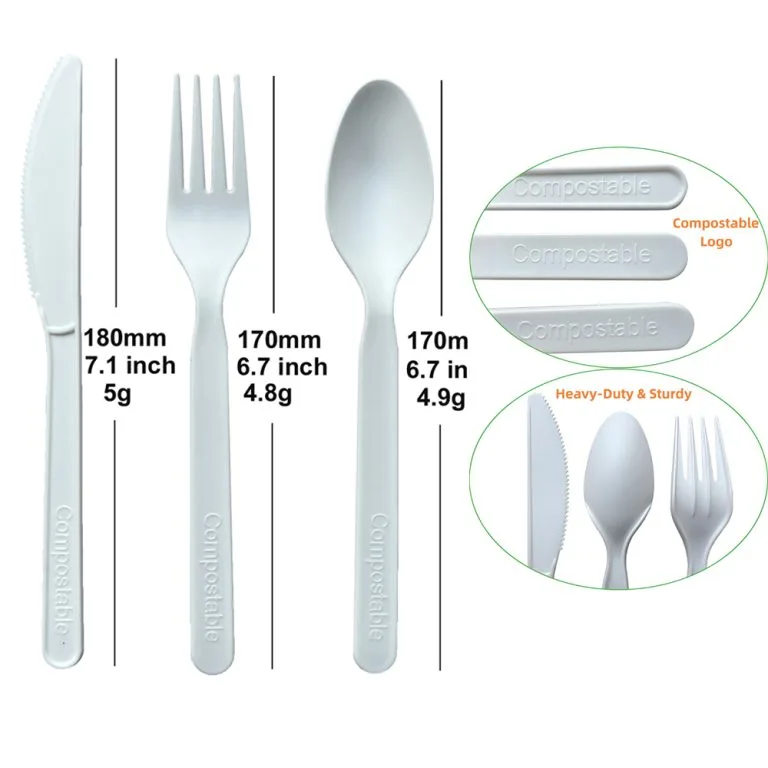
Many biodegradable cutleries can be owned in a way that reduces nutrient-rich soil depletion and soil erosion. Hence, this method is in alignment with the notion of adopting a circular economy in which cutlery encourages better farming and gardening.

Related Insights

🚀Ready to Go Green and Choose ?

Join the global movement toward zero-waste packaging.


Bioleader® offers:

  • 📦 Bulk order support & fast delivery

  • ✍️ Custom branding and OEM solutions

  • 🌍 Worldwide eco-packaging compliance

Get the Catalogue Products List  & Contact Us Now! 👉

Contact us Below

Click or drag files to this area to upload.You can upload up to 5 files.
The more details you share, the faster and more accurate our quotation will be.