Bioleader® Sustainable Material Science: Material & Performance Insights

Actionable coverage of Bioleader® Sustainable Material Science: eco-friendly, biodegradable, compostable materials, performance data, and compliance under EN13432 & ASTM D6400. Includes BPI/TÜV references and Food-Contact Tested guidance for safe deployment. Buyer-focused: manufacturer insights, bulk/wholesale buying playbooks, OEM/ODM customization tips, full size range selection.
Bioleader® Sustainable Material Science — Quick Summary
  • Items displayed (articles): 12
  • Last updated: 2026-03-12
  • Includes test data, compliance guides, buyer FAQs, and real-world use cases.

Editor’s Picks: Top Bioleader® Sustainable Material Science Guides 2026

FAQ of Bioleader's Eco-friendly Disposable Tableware

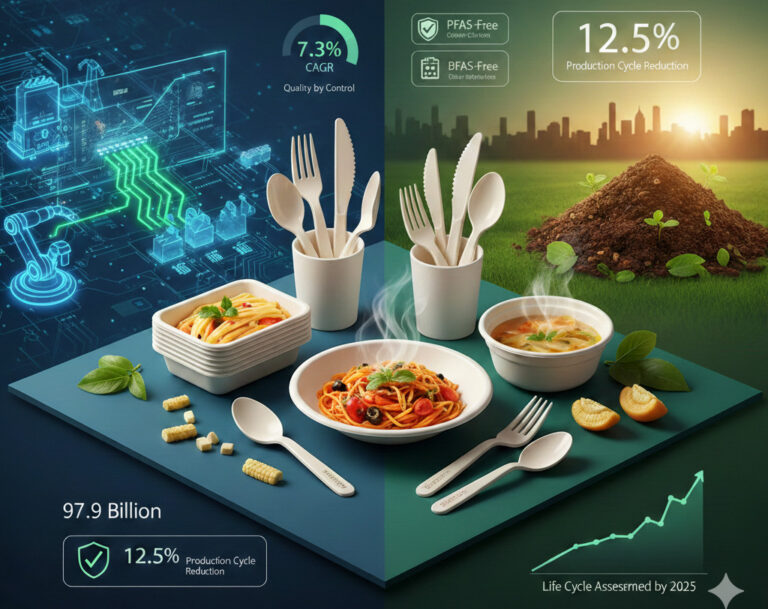
Ensure safety with products that are free of PFAS and BPA

Health comes first. Safety is further guaranteed when you’ve got our trays with lids that don’t have PFAS and BPA in them, two neatly packed chemicals that bring peace to the consumer as they do not have any synthetic materials that pose health risks. So, you know that our products are safe and clean when it comes to packaging and using them.

2. What materials are available for disposable food trays with lids?

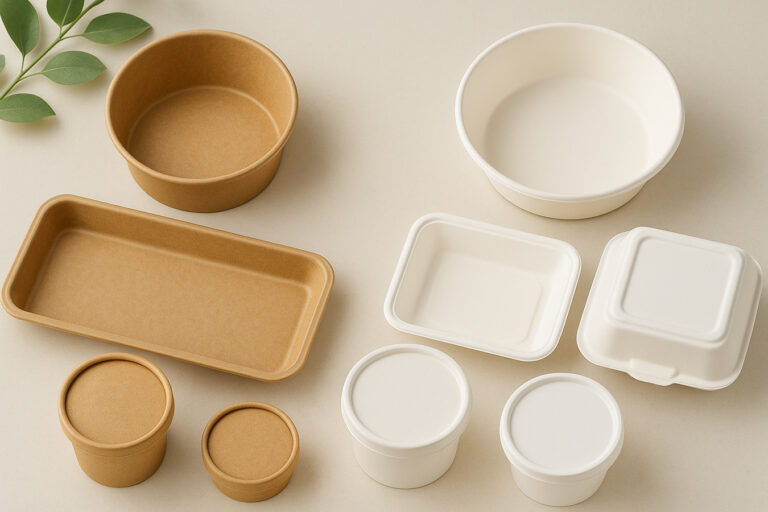
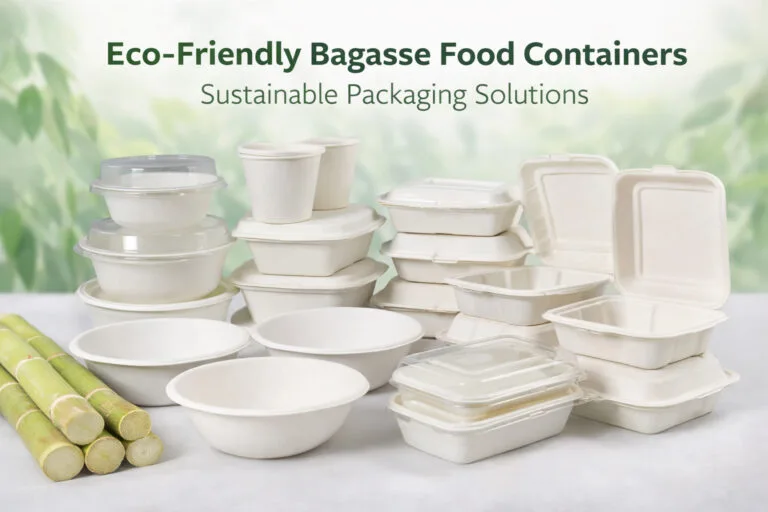
Common materials include sugarcane bagasse, kraft paper, aluminum, PET, PP, and PLA. For eco-conscious businesses, bagasse and PLA trays are preferred due to their compostable and biodegradable properties — Bioleader® Sustainable Material Science.

Eco-Friendly and Biodegradable

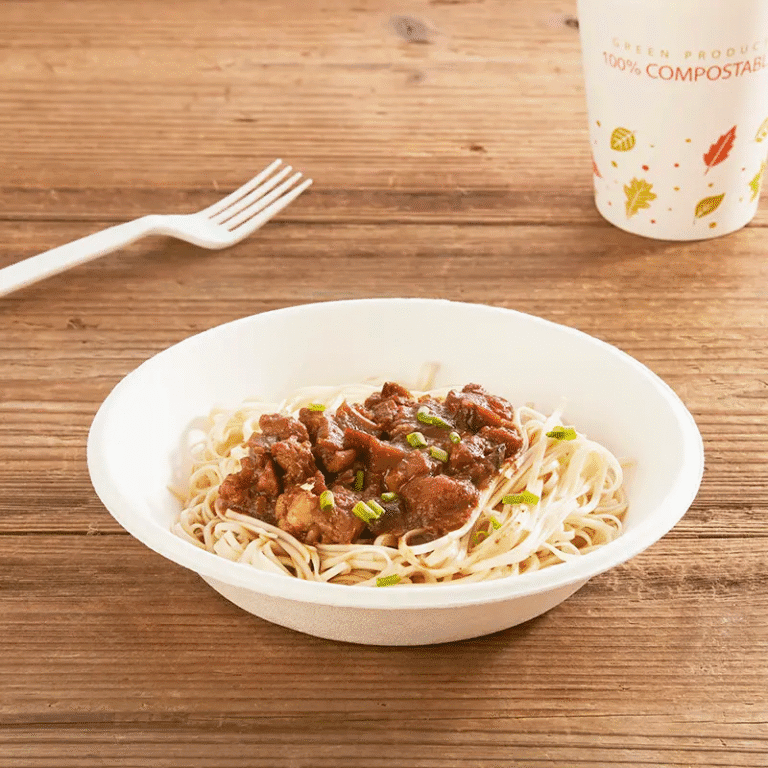
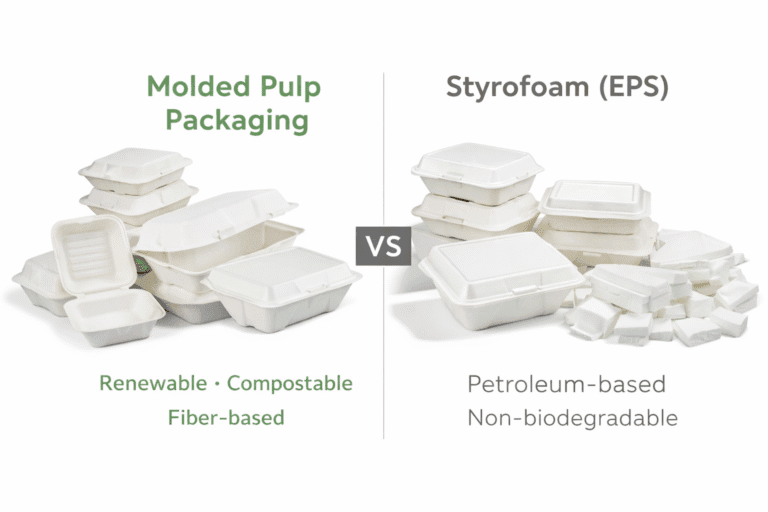
Serving as compostable food trays, our products get degraded over time when placed within activating environments, thus contributing towards minimal damage to the landfills while providing a much more environmentally friendly packaging. These bagasse food trays are not harmful to the environment which is a major shift towards a more responsible and eco-friendly practice instead of the use of plastic trays for food service.

Cost Comparison

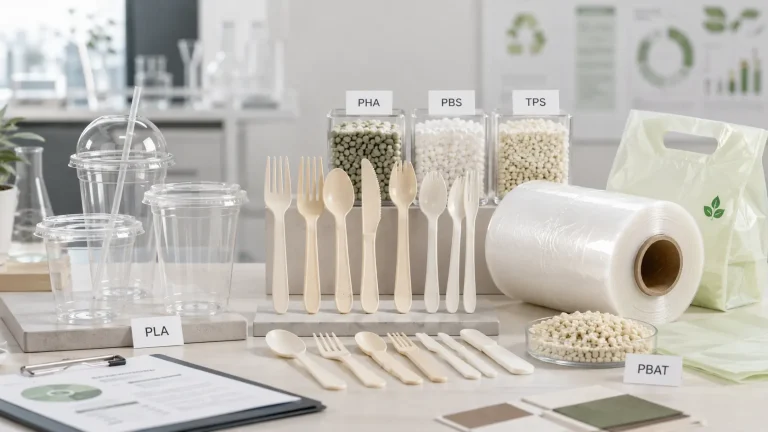
Bagasse: Slightly more expensive than Cornstarch, but a viable choice for higher-end foodservice applications. Bagasse is derived from sugarcane pulp, making it a sustainable and renewable resource. However, its cost is higher due to the intricate production process and its premium positioning in eco-friendly packaging. Cornstarch: By far the most cost-effective option, Cornstarch-based packaging materials offer the best value for large-scale applications such as cornstarch takeout containers and cornstarch cutlery.

📊 2026 Russian Market: Material Performance Scorecard

Tested for 45-minute Delivery Simulation at 95°C Feature Cornstarch (Bioleader® Reinforced) Standard Pulp / Kraft Paper Heat Stability ✅ 95°C No Deformation ❌ Steam Softening & Sagging Structural Integrity ✅ 8N Locking Strength (Secure) ❌ Leakage Risk (Structural Failure) Oil Resistance ✅ Excellent (Perfect for Borscht) ⚠️ Moderate (Softens with fat) Russian EPR Status ✅ EPR Compliant (Lower Fees) ⚠️ High Fees (If multi-layer/PE) Extreme Cold (-20°C) ✅ Anti-Cracking Formula ✅ Naturally Insulating Pro-Tip for Procurement: Bioleader’s structural integrity reduces customer refund rates by an average of 15% in high-volume delivery scenarios — Bioleader® Sustainable Material Science. The Real Delivery Pain Points: In Russia, a delivery courier might carry up to 10 orders in a single thermal backpack , Bioleader® Sustainable Material Science. Under the weight and the 95°C steam of a Borscht soup, traditional pulp containers often soften and collapse. This is where Cornstarch changes the game.

Related Insights

🚀Ready to Go Green and Choose ?

Join the global movement toward zero-waste packaging.


Bioleader® offers:

  • 📦 Bulk order support & fast delivery

  • ✍️ Custom branding and OEM solutions

  • 🌍 Worldwide eco-packaging compliance

Get the Catalogue Products List  & Contact Us Now! 👉

Contact us Below

Click or drag files to this area to upload.You can upload up to 5 files.
The more details you share, the faster and more accurate our quotation will be.