FAQ of Bioleader's Eco-friendly Disposable Tableware
What is bio plastic cutlery made from?
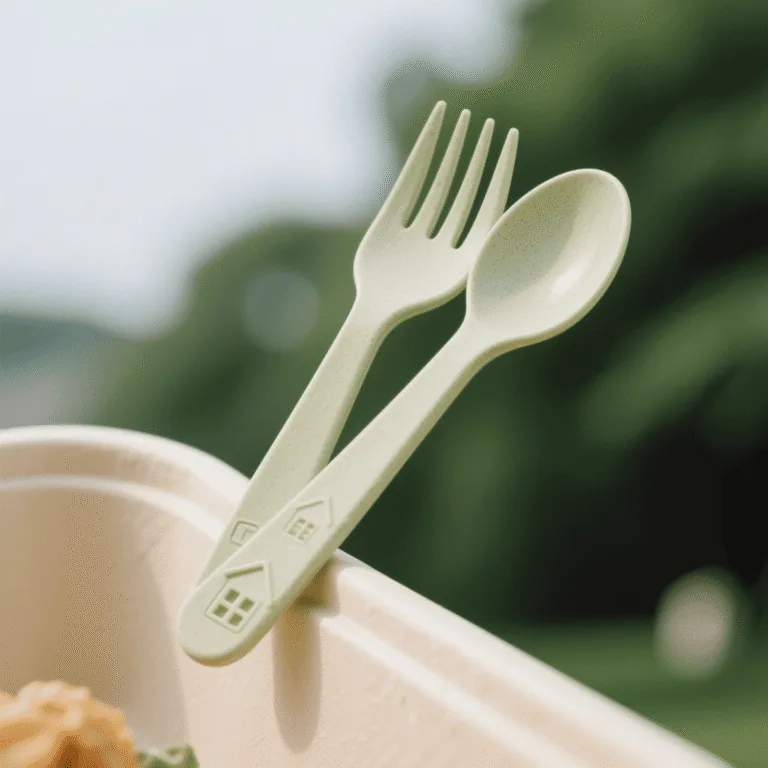
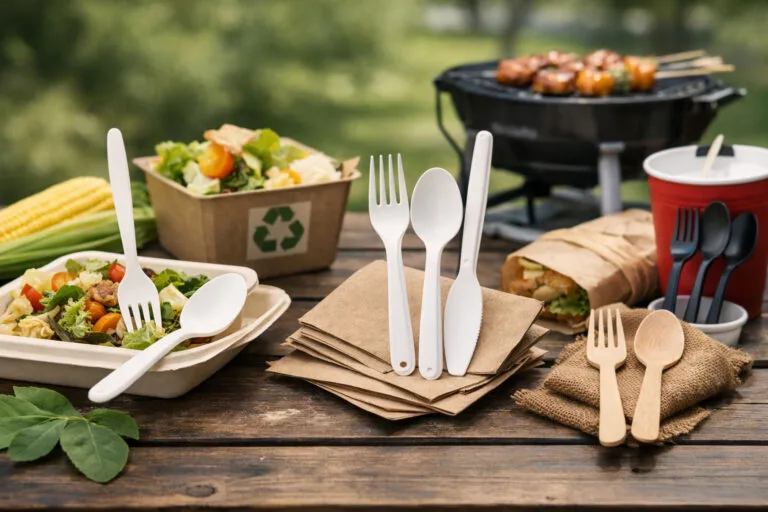
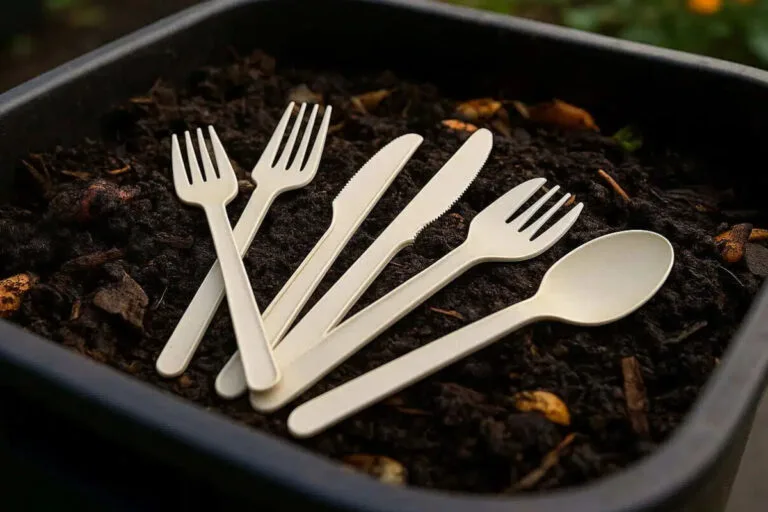
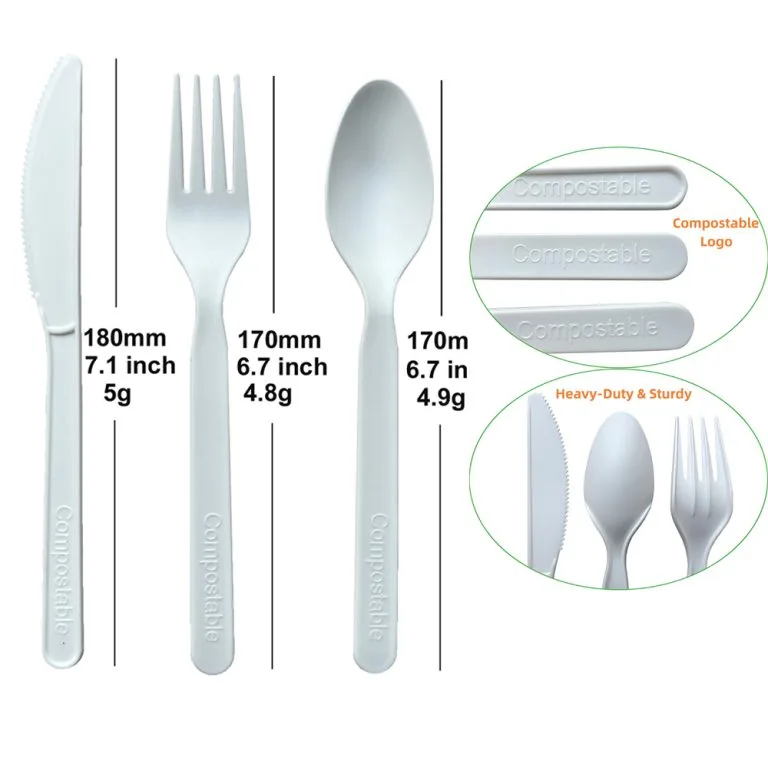
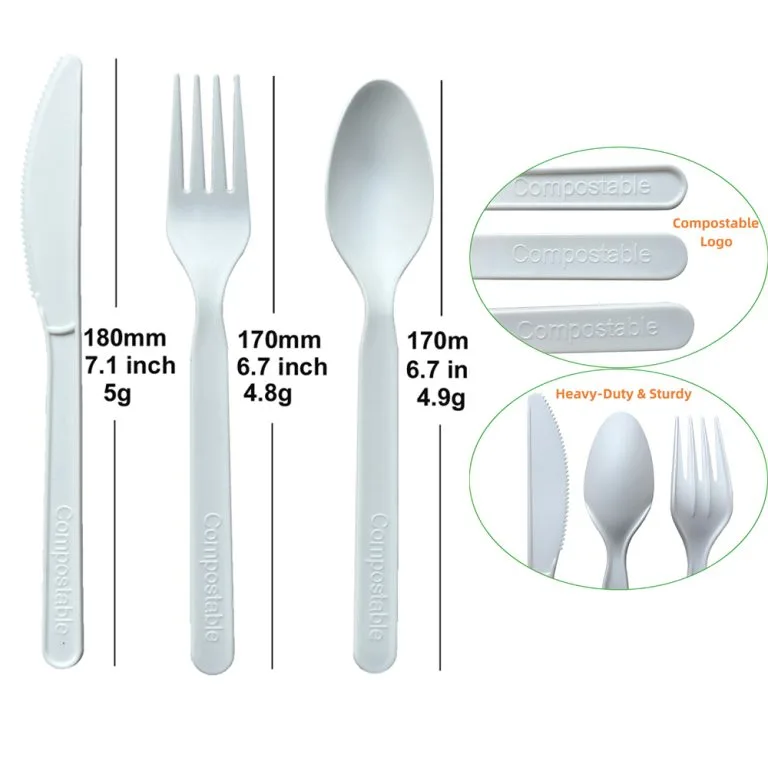
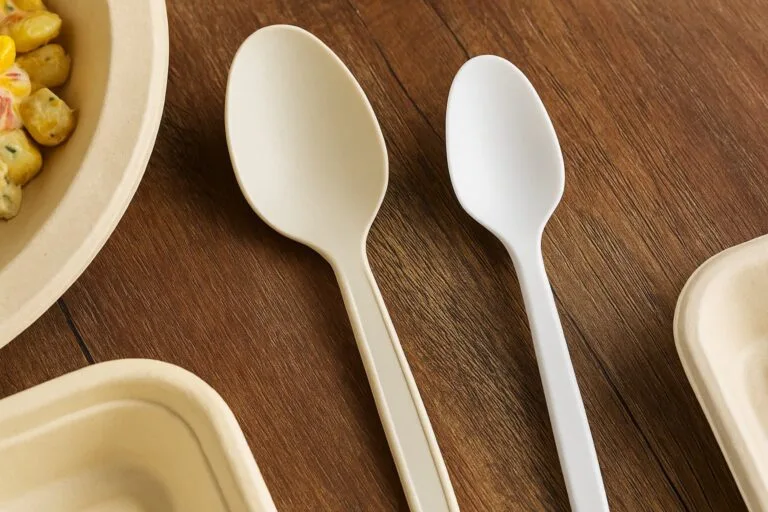
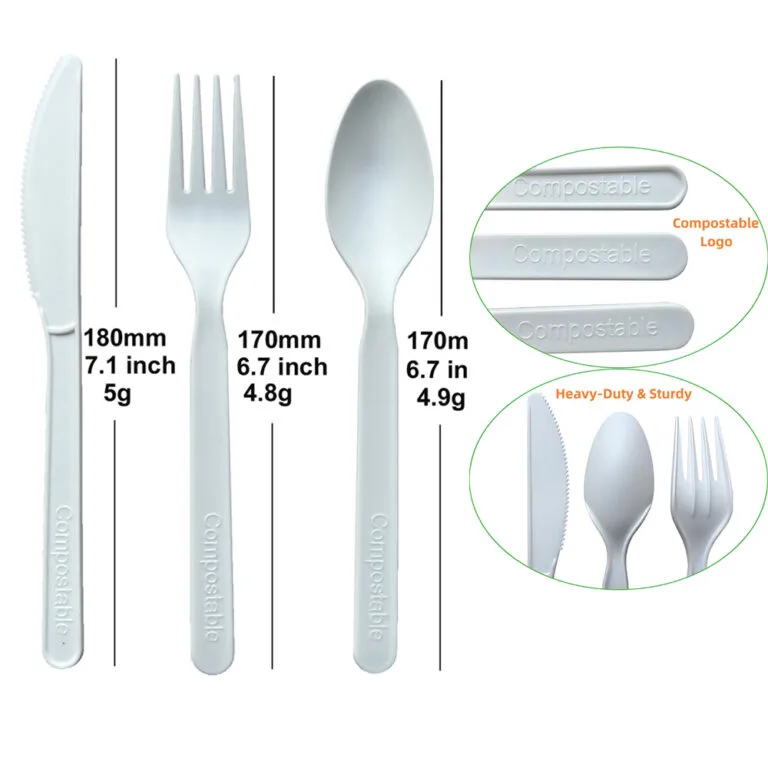
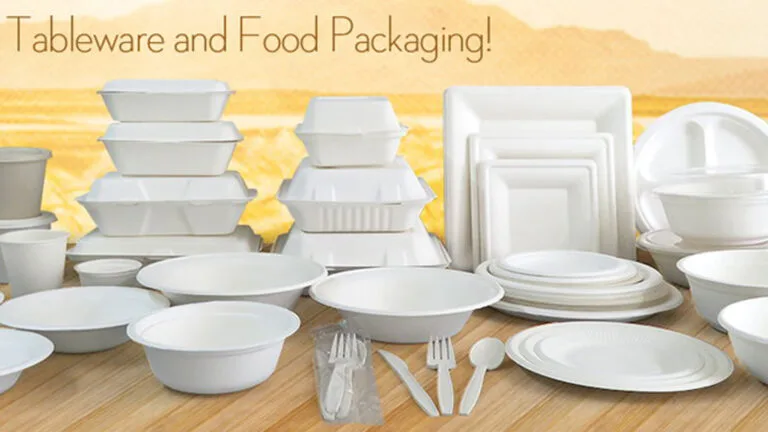
Bio plastic cutlery is typically made from renewable plant-based materials such as cornstarch, PLA, or sugarcane, making it biodegradable and compostable — biodegradable forks spoons knives.
How long do biodegradable plastic forks and spoons take to decompose?
The decomposition time varies, but most biodegradable plastic cutlery will break down within 3 to 6 months in commercial composting facilities.
Are eco-friendly utensils safe for hot and cold foods?
Yes, high-quality eco-friendly utensils are designed to withstand both hot and cold foods without bending or breaking, making them suitable for various dining needs.
3.2 Stiffness = Customer Satisfaction (Especially in the U.S.)
A common failure case for eco cutlery programs is negative end-user feedback: “It bends,” “It snaps,” “It tastes weird,” or “It’s too small.” U.S — biodegradable forks spoons knives. buyers are particularly sensitive to stiffness because customer reviews can hurt brand perception quickly. EU buyers are also sensitive, but they may tolerate slightly different feel if the sustainability story and system fit is strong. For exporters, stiffness is not just a product attribute.
2.2 Wooden Cutlery: Europe’s Favorite for “Plastic-Free” Positioning
Wooden cutlery occupies a unique role in Europe — biodegradable forks spoons knives. It is often perceived as “naturally plastic-free,” and it fits the branding logic of eco cafés and zero-waste oriented programs. But wooden cutlery also comes with constraints: Taste and mouthfeel: buyers are sensitive to coating, splinters, and surface finishing. Knife performance: wooden knives vary widely; many perform poorly on dense foods unless designed for strength.