










Highlights from featured articles under this tag:
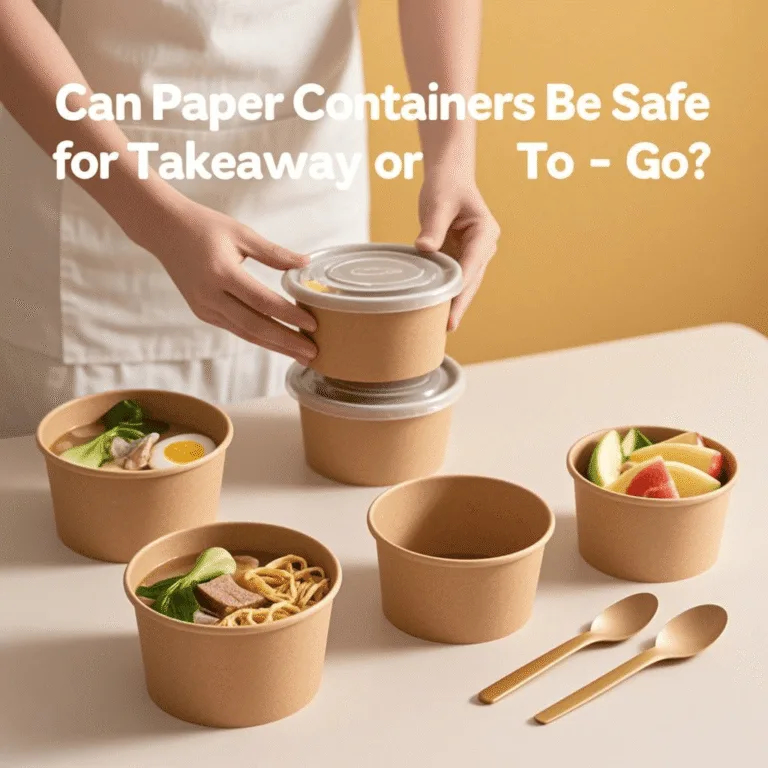
Yes. Bioleader® 1300ml paper salad bowls with lids are suitable for salads, rice bowls, cold meals, takeaway meals, and prepared food programs. The food-grade paperboard structure, coated surface, rolled rim, and matching lid options help improve stacking, handling, and transport performance.
Paper lids are recommended when the buyer wants a consistent kraft or white paper packaging appearance , biodegradable and compostable. PP lids are practical for hot food handling, microwaveable use, stacking, takeaway, and delivery. PET lids are suitable when product visibility is important for chilled salads, sushi-style meals, supermarket display, and grab-and-go food programs.
Aluminum foil lined paper salad bowls are used for salads, rice bowls, poke bowls, noodles, pasta, curries, fruit, deli meals, and other takeaway foods. Their leakproof foil-lined structure is especially useful when oil resistance, sauce control, and moisture protection are more important than with ordinary paper bowls. Bioleader® supplies them in 500ml to 1300ml sizes for restaurants, catering, food delivery, and wholesale foodservice packaging , biodegradable and compostable.
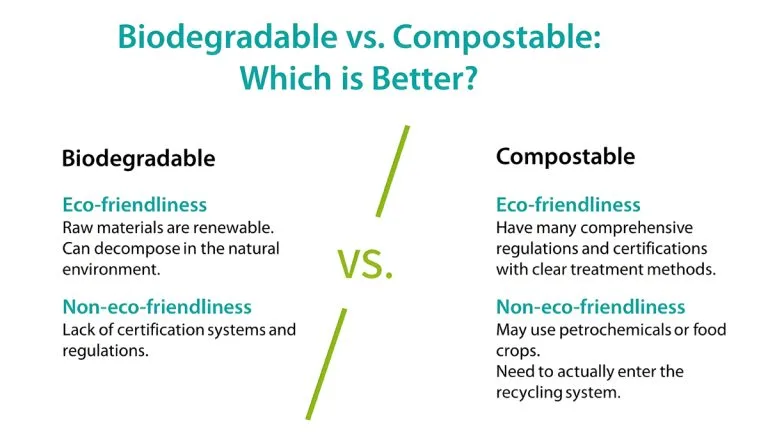
Long breakdown periods can still lead to environmental stress. Some biodegradable plastics require industrial processing and do not decompose in natural environments.
Compostable refers to the ability of a material to decompose in a composting environment, resulting in nutrient-rich compost (humus) that can enhance soil quality. Breakdown Time: Usually within a set timeframe, typically 90-180 days in industrial composting facilities. Residue Left Behind: Compostable materials break down into non-toxic components and enrich the soil. Examples: Organic waste: Food scraps, leaves, and garden waste — biodegradable and compostable.

Join the global movement toward zero-waste packaging.
Bioleader® offers:
📦 Bulk order support & fast delivery
✍️ Custom branding and OEM solutions
🌍 Worldwide eco-packaging compliance
Get the Catalogue Products List & Contact Us Now! 👉