Guide To Biodegradable And Compostable Which Is Better: Materials, Standards & Best Practices | Bioleader® Sustainable Packaging

Actionable coverage of Biodegradable and Compostable Which is Better: eco-friendly, biodegradable, compostable materials, performance data, and compliance under EN13432 & ASTM D6400. Includes BPI/TÜV references and Food-Contact Tested guidance for safe deployment. Buyer-focused: manufacturer insights, bulk/wholesale buying playbooks, OEM/ODM customization tips, full size range selection.

When it comes to sustainability and eco-friendly products, the terms biodegradable and compostable are often used interchangeably. However, they are not the same and have significant differences in their definitions, processes, and environmental impacts. Below is a detailed exploration of the two terms with a structured breakdown for better understanding.

Biodegradable and Compostable Which is Better — Quick Summary
  • Items displayed (articles): 12
  • Last updated: 2025-01-19
  • Includes test data, compliance guides, buyer FAQs, and real-world use cases.

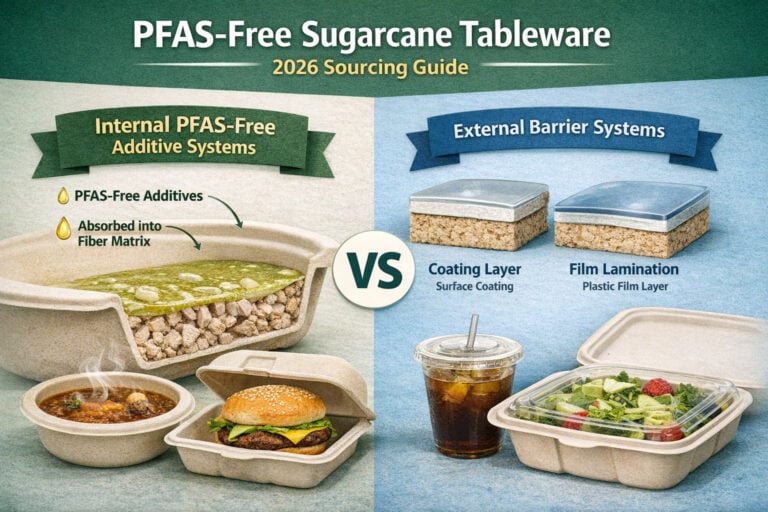
Editor’s Picks: Top Biodegradable And Compostable Which Is Better Guides 2026

FAQ of Bioleader's Eco-friendly Disposable Tableware

Is it really compostable?

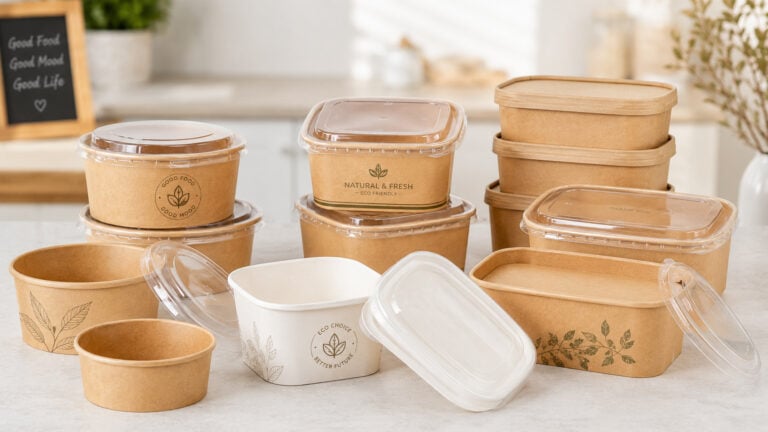
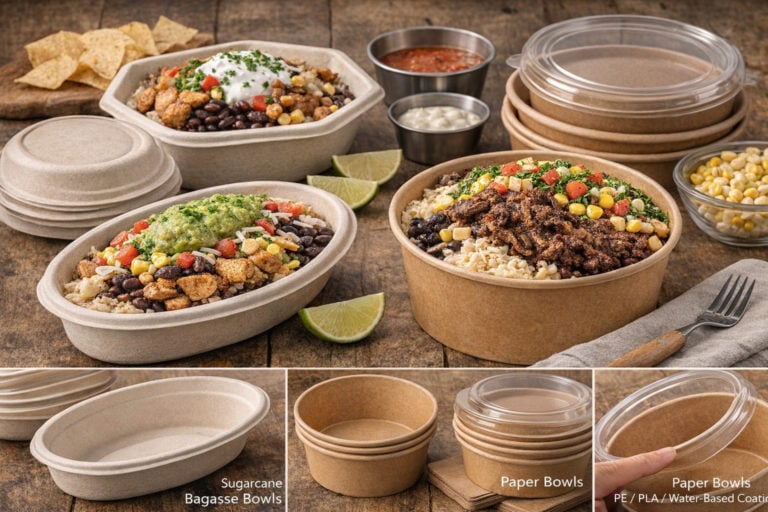
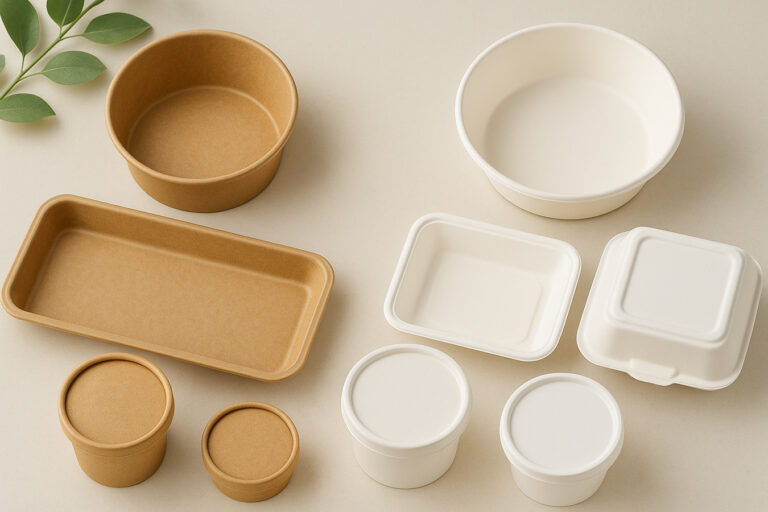
Yes, these salad bowls compostable are made from biodegradable materials such as kraft paper and white cardboard paper which allow it to biodegrade when discarded appropriately.

Are these bowls suitable for serving hot foods?

Certainly, our to go bowls with lids make it possible to serve hot foods such as soup, noodles, and stew without leaking or deforming — Biodegradable and Compostable Which is Better.

Available sizes?

Yes, our paper containers with lids for food range between 500ml and 1500ml capable of holding various meal portions.

What Does Biodegradable Mean?

Biodegradable refers to the ability of a material to break down naturally into smaller components, such as water, carbon dioxide, and biomass, with the help of microorganisms like bacteria and fungi. Breakdown Time: Can range from weeks to decades depending on the material and environmental conditions (e.g., availability of oxygen and sunlight). Residue Left Behind: Biodegradable materials may leave behind non-toxic or even harmful residues. Examples: Natural materials: Paper, wood, cotton — Biodegradable and Compostable Which is Better.

What Does Compostable Mean?

Compostable refers to the ability of a material to decompose in a composting environment, resulting in nutrient-rich compost (humus) that can enhance soil quality. Breakdown Time: Usually within a set timeframe, typically 90-180 days in industrial composting facilities. Residue Left Behind: Compostable materials break down into non-toxic components and enrich the soil , Biodegradable and Compostable Which is Better. Examples: Organic waste: Food scraps, leaves, and garden waste.

Related Insights

🚀Ready to Go Green and Choose ?

Join the global movement toward zero-waste packaging.


Bioleader® offers:

  • 📦 Bulk order support & fast delivery

  • ✍️ Custom branding and OEM solutions

  • 🌍 Worldwide eco-packaging compliance

Get the Catalogue Products List  & Contact Us Now! 👉

Contact us Below

Click or drag files to this area to upload.You can upload up to 5 files.
The more details you share, the faster and more accurate our quotation will be.