Biodegradable And Compostable Products 101: What It Is, When To Use, And How To Choose | Bioleader® Guides
Actionable coverage of Biodegradable and Compostable Products: eco-friendly, biodegradable, compostable materials, performance data, and compliance under EN13432 & ASTM D6400. Includes BPI/TÜV references and Food-Contact Tested guidance for safe deployment. Buyer-focused: manufacturer insights, bulk/wholesale buying playbooks, OEM/ODM customization tips, full size range selection.
Biodegradable and Compostable Products — Quick Summary
Items displayed (articles): 12
Last updated: 2025-01-19
Includes test data, compliance guides, buyer FAQs, and real-world use cases.
FAQ of Bioleader's Eco-friendly Disposable Tableware
What are environmentally friendly cutlery made from?
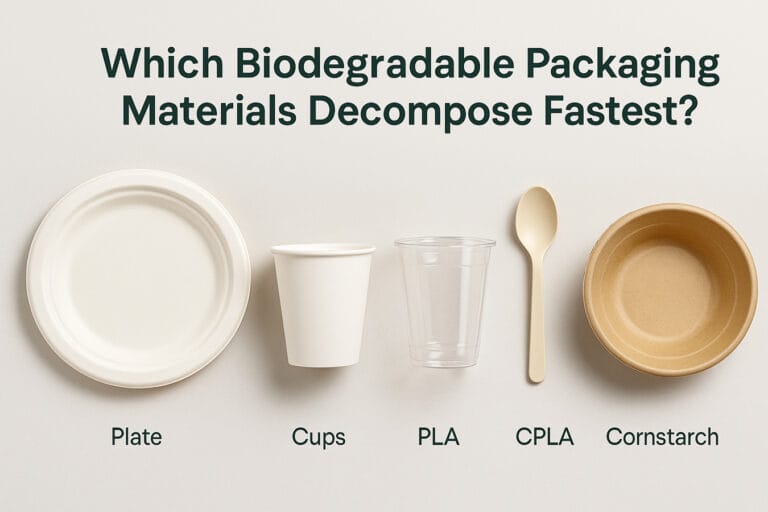
Environmentally friendly cutlery is typically made from renewable plant-based materials such as cornstarch, PLA, or sugarcane, making them biodegradable and compostable.
Why should businesses switch to bio plastic cutlery?
Switching to bio plastic cutlery helps reduce plastic waste, supports sustainability initiatives, meets consumer demand for eco-friendly products, and enhances brand reputation.
Are compostable sporks safe for hot and cold foods?
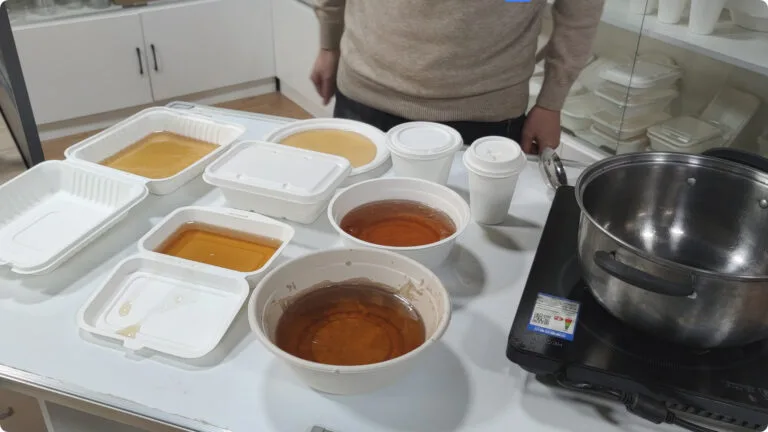
Yes, compostable sporks are designed to handle both hot and cold foods. They maintain their strength and stability even when used with soups, salads, or hot dishes , Biodegradable and Compostable Products.
Cons of Biodegradable Materials
Long breakdown periods can still lead to environmental stress. Some biodegradable plastics require industrial processing and do not decompose in natural environments , Biodegradable and Compostable Products. — Biodegradable and Compostable Products.
What Does Biodegradable Mean?
Biodegradable refers to the ability of a material to break down naturally into smaller components, such as water, carbon dioxide, and biomass, with the help of microorganisms like bacteria and fungi. Breakdown Time: Can range from weeks to decades depending on the material and environmental conditions (e.g., availability of oxygen and sunlight). Residue Left Behind: Biodegradable materials may leave behind non-toxic or even harmful residues. Examples: Natural materials: Paper, wood, cotton.