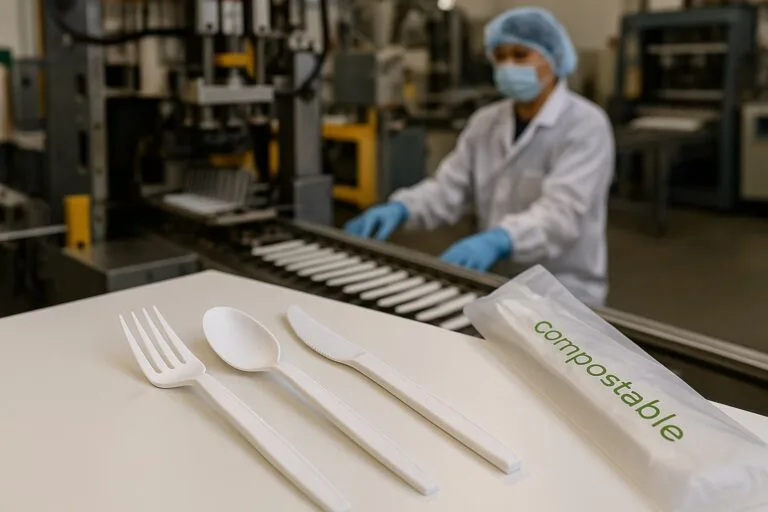
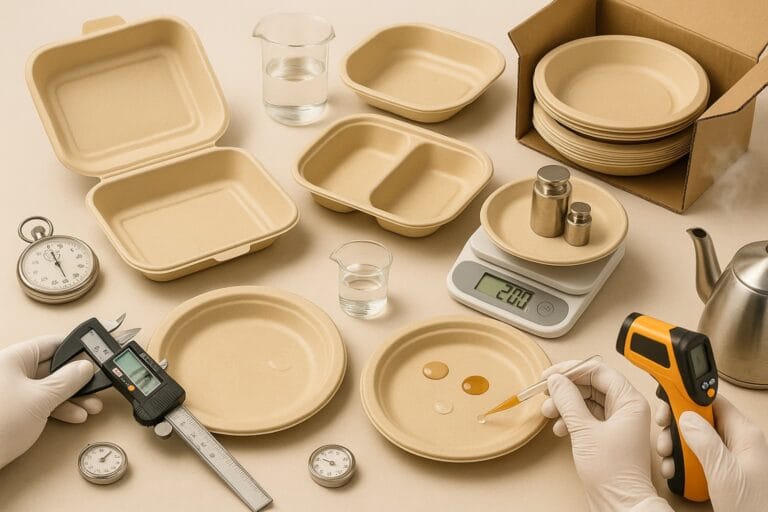
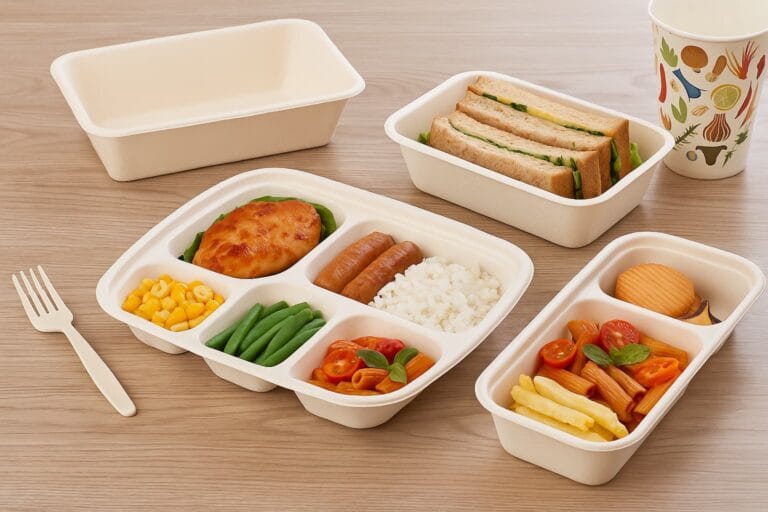
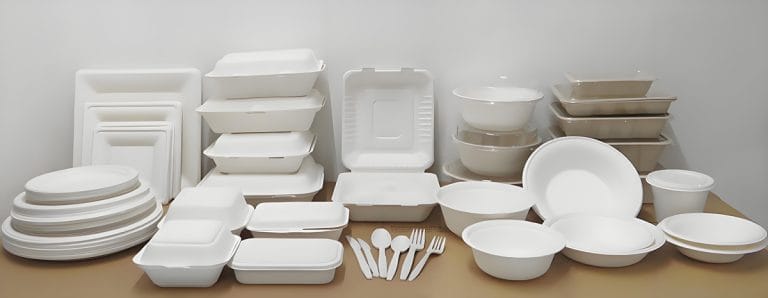
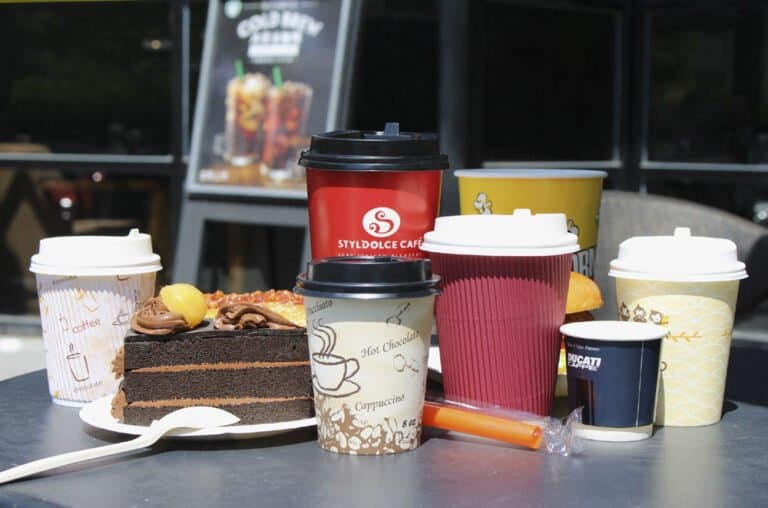
Disposable bowls are widely used across various foodservice industries, from takeout containers to events and parties. They come in multiple materials, each offering specific advantages in durability, heat resistance, and environmental impact. Choosing the right material depends on the specific application and sustainability goals. This guide explores the most commonly used types and materials of disposable bowls, evaluates their pros and cons, and highlights the environmental considerations associated with each.


Takeaway containers are made from a variety of materials including sugarcane bagasse, kraft paper, PLA bioplastics, PP plastic, and aluminum. For eco-friendly applications, compostable bagasse and PLA are the most sustainable choices , bamboo bowls manufacturer China.
Yes. Manufacturers offer bulk wholesale options with private label packaging, custom embossing, and logo printing—perfect for restaurants, meal kit services, schools, and environmentally conscious food businesses.
Absolutely. Many manufacturers offer trays in 1, 2, 3, or 5-compartment designs. This allows proper separation of different food items, which is especially useful for meal prep, airline meals, and school lunch programs — bamboo bowls manufacturer China.
Bamboo paper is made from bamboo fibers, which are more sustainable than traditional wood pulp. Bamboo grows rapidly and does not require replanting, making it a renewable resource. Bamboo paper bowls are often used in environmentally conscious settings. Pros: Sustainable and renewable resource Durable and sturdy Can be compostable depending on the coating used Cons: Can be more expensive than regular paper bowls Limited availability in some regions
Paper laminated with aluminum foil provides superior insulation and moisture resistance. These bowls are ideal for holding greasy foods or keeping food warm , bamboo bowls manufacturer China. However, the aluminum foil makes them difficult to recycle. Pros: Excellent heat retention and moisture resistance Great for hot and greasy foods Insulates well to maintain food temperature Cons: Aluminum foil makes recycling challenging Not compostable due to the mixed material structure Higher cost due to additional processing 2.
Join the global movement toward zero-waste packaging.
Bioleader® offers:
📦 Bulk order support & fast delivery
✍️ Custom branding and OEM solutions
🌍 Worldwide eco-packaging compliance
Get the Catalogue Products List & Contact Us Now! 👉
📧 Email : [email protected]
📲 WhatsApp : +86-15980856610
🟢 Wechat : bioleader
📍 Add : No.39 Xinglong Road, Xiamen, China
Copyright © 2015–2025 Xiamen Bioleader Environmental Protection Co., Ltd | All Rights Reserved. Privacy Policy | AI Policy | Sitemap
WhatsApp us