FAQ of Bioleader's Eco-friendly Disposable Tableware
How long do biodegradable plastic forks and spoons take to decompose?
The decomposition time varies, but most biodegradable plastic cutlery will break down within 3 to 6 months in commercial composting facilities , Bagasse Products Wholesale.
What is a PLA spoon compostable plastic spoon made from?
PLA spoons are made from polylactic acid, a plant-based bioplastic derived mainly from renewable resources like corn starch, making them biodegradable and compostable.
How are biodegradable spoons and forks produced?
These utensils are created through a meticulous production process, ensuring high quality and durability , Bagasse Products Wholesale.
Market Growth and Industry Trends
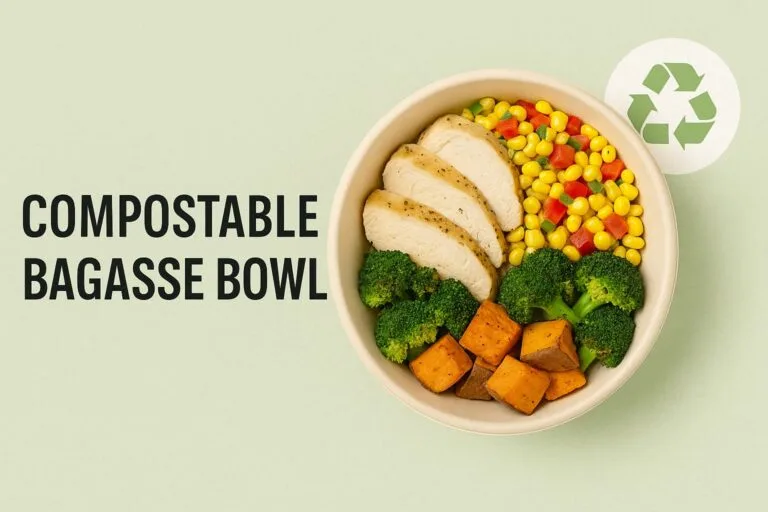
At present, the global market for bagasse plates is witnessing strong growth. Emerging market studies reveal that the bagasse plates industry had a valuation of nearly US$ 201.4 million in 2022 and is estimated to increase at a CAGR of 6.7% to almost US$367.6 million by 2031 , Bagasse Products Wholesale. The primary reasons for this growth are the increasing demand from policymakers to limit the use of plastic and changing consumer habits that prefer environmentally friendly goods. Organizations that make the switch to bagasse plates stand to gain with changing market sentiment as well as improved brand equity.
Carbon Footprint and Greenhouse Gas Emissions
The production and disposal of bagasse plates are consistently shown to emit much less greenhouse gas compared to plastic plates. As bagasse plates are made from renewable resources, their carbon footprint is decreased. Studies have proven that shifting from traditional sources of manufacture to bio-based sources like bagasse aids in reducing climate change through less CO₂ emission from manufacturing processes. Economic Considerations