FAQ of Bioleader's Eco-friendly Disposable Tableware
How long does it take for eco-friendly cutlery to decompose?
Under industrial composting conditions, most eco-friendly cutlery decomposes within 90 to 180 days, depending on the material and local composting standards — bagasse plates manufacturer.
Can compostable sporks be customized for branding?
Absolutely. Many manufacturers offer full customization of compostable sporks, including packaging design, logo printing, and size variations to meet branding needs.
What are biodegradable disposable spoons and forks?
Biodegradable Disposable Spoons Forks are disposable tableware that can be baked into a biodegradable solution, making them a more environmentally friendly option than standard plastic cutlery.
Materials Used in Biodegradable Plates
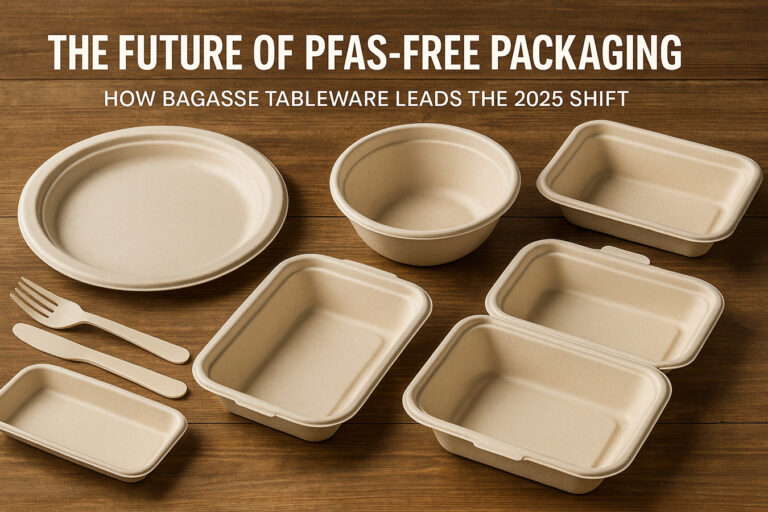
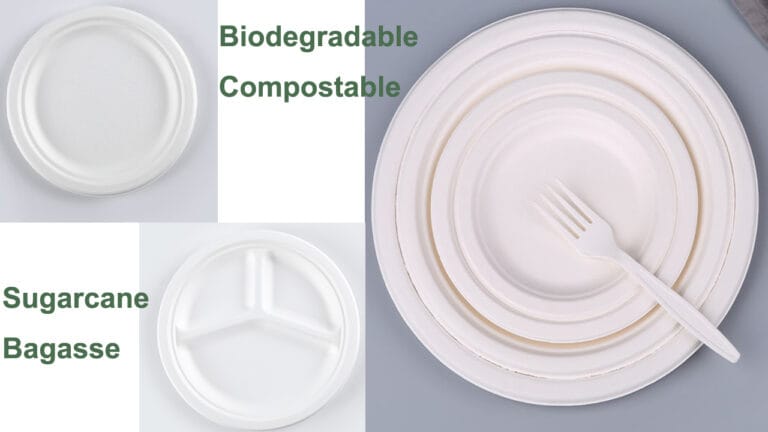
The production of biodegradable plates involves various renewable materials, each contributing unique benefits: Bagasse:A fibrous byproduct from sugarcane processing, bagasse is prized for its durability and natural compostability. Bagasse plates are especially popular due to their robust structure and eco-friendly credentials. Palm Leaves:Sourced from naturally fallen palm fronds, these plates are crafted without additional chemicals, maintaining a pure and rustic appeal while ensuring full biodegradability , bagasse plates manufacturer. Bamboo:Bamboo, a fast-growing renewable resource, serves as an excellent base for durable tableware that eventually decomposes without adverse environmental impacts.
Comparative Life Cycle Assessment
A critical aspect of evaluating any product’s sustainability is its life cycle assessment (LCA). Comparative LCAs have revealed that the environmental impact of biodegradable plates—whether made from bagasse, cornstarch, or other materials—is markedly lower than that of traditional ceramics or plastics. For example, a study comparing ceramic plates with corn-starch biodegradable plates found that ceramics, when used less than 50 times, had an environmental impact up to five times higher than that of single-use biodegradable options. This analysis underscores the efficiency of eco-friendly plates in reducing resource consumption and carbon emissions across their lifecycle , bagasse plates manufacturer.