FAQ of Bioleader's Eco-friendly Disposable Tableware
Is BPI compostable cutlery suitable for hot foods?
Yes, BPI compostable cutlery is designed for strength and durability, making it suitable for use with both hot and cold foods in restaurants, catering, and events.
Is individually wrapped cutlery suitable for outdoor events and travel?
Absolutely. The individual packaging keeps the cutlery clean and ready to use, making it ideal for outdoor parties, picnics, travel, and catering services — bagasse plates factory.
Why are compostable sporks considered better for the environment?
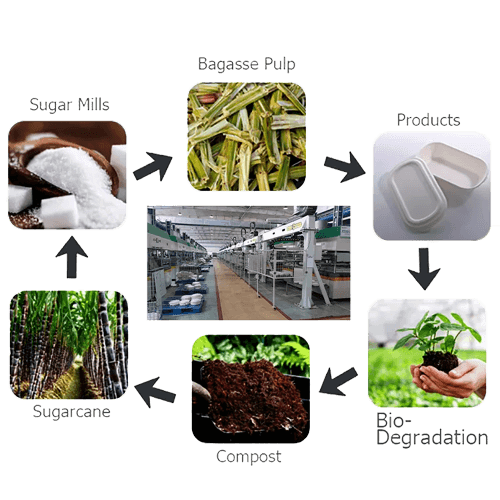
Compostable sporks reduce reliance on petroleum-based plastics, break down naturally without leaving microplastics, and support a circular economy by turning waste into compost.
Comparative Life Cycle Assessment
A critical aspect of evaluating any product’s sustainability is its life cycle assessment (LCA) , bagasse plates factory. Comparative LCAs have revealed that the environmental impact of biodegradable plates—whether made from bagasse, cornstarch, or other materials—is markedly lower than that of traditional ceramics or plastics. For example, a study comparing ceramic plates with corn-starch biodegradable plates found that ceramics, when used less than 50 times, had an environmental impact up to five times higher than that of single-use biodegradable options. This analysis underscores the efficiency of eco-friendly plates in reducing resource consumption and carbon emissions across their lifecycle , bagasse plates factory.
Definition and Importance
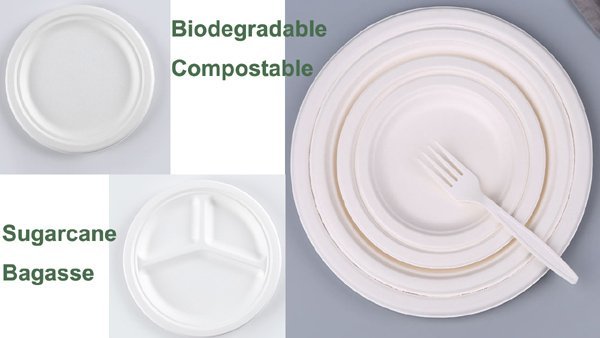
Biodegradable plates are designed to break down naturally by microorganisms, such as bacteria and fungi. Unlike traditional plastic plates, which persist in the environment for hundreds of years, these eco-friendly plates decompose within months—often under industrial composting conditions. The transformation process reduces landfill burdens and minimizes harmful residues that can leach into soil and water systems. This attribute makes biodegradable plates not only an environmentally responsible choice but also a crucial component in the broader strategy of sustainable waste management.