Introduction
As the world continues to grapple with the challenges of plastic pollution, businesses, consumers, and policymakers alike are searching for innovative and sustainable alternatives to traditional single-use plastics. One solution rapidly gaining traction is pulp molding tableware. This eco-friendly innovation not only addresses the urgent need for biodegradable, compostable, and recyclable alternatives but also transforms how we think about food packaging and disposable tableware. In this article, we’ll explore how pulp molding tableware is leading the movement towards a greener, cleaner planet—delivering real environmental benefits while meeting modern demands for safety, performance, and convenience.
Pulp Molding Tableware: The Eco-Friendly Game Changer
What Is Pulp Molding Tableware?
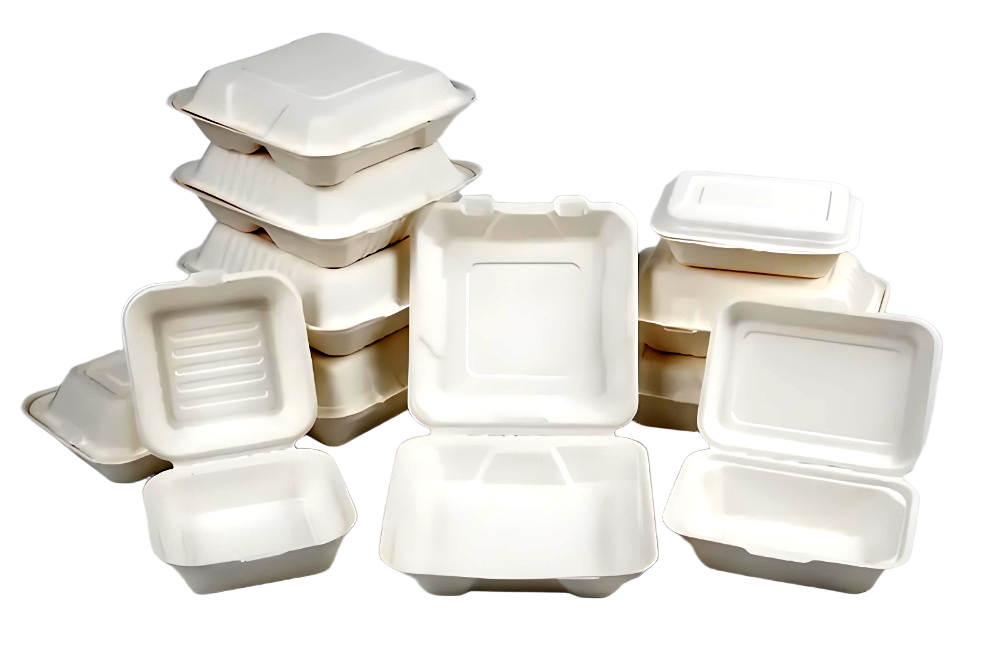
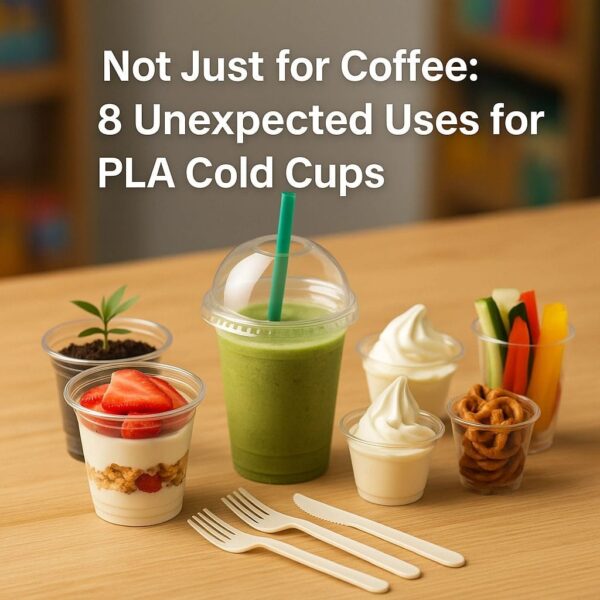
Pulp molding tableware refers to disposable plates, bowls, cups, and food containers made from natural plant fibers such as bagasse, sugarcane, bamboo, and recycled paper. The manufacturing process involves transforming plant pulp into various tableware shapes using heat and pressure—eliminating the need for plastic polymers or synthetic binders.

Key Features:
Non-toxic and food safe
Made from renewable plant-based resources
Offers excellent durability and insulation
This innovative approach has made pulp molding tableware a preferred choice for organizations seeking sustainable food packaging and eco-friendly tableware solutions.
The Environmental Impact: Sustainable Tableware in Action
Why Pulp Molding Tableware Leads the Fight Against Plastic Pollution
With an estimated 400 million tons of plastic waste produced annually worldwide, the limitations of recycling and the hazards of microplastics have become undeniable. In contrast, biodegradable pulp tableware and compostable food packaging present a holistic solution:
Environmental Benefits:
Rapid Biodegradability:
Pulp molding tableware decomposes within 90–180 days in commercial composting facilities—dramatically faster than plastics, which can linger for centuries.Resource Efficiency:
Uses agricultural byproducts like bagasse pulp tableware and sugarcane pulp tableware, reducing waste and conserving raw materials.Low Carbon Footprint:
Production consumes less energy and emits fewer greenhouse gases compared to petroleum-based plastics.Safe for Wildlife and Soil:
Breaks down into harmless organic matter, posing no threat to marine or terrestrial ecosystems.
Scientific Data Snapshot:
Biodegradable molded pulp sugarcane bagasse tableware reduces landfill waste by up to 70% compared to plastic alternatives (EPA, 2024).
Compostable tableware contributes to a 60% reduction in food service carbon emissions (Ellen MacArthur Foundation, 2023).
Ready to reduce your environmental impact? Switch to pulp molding tableware today and join the movement toward a plastic-free future. Contact Bioleader now for a free consultation or product sample!
Practical Applications: How Businesses and Consumers Benefit
Eco Pulp Plates & Molded Fiber Tableware in Real Life
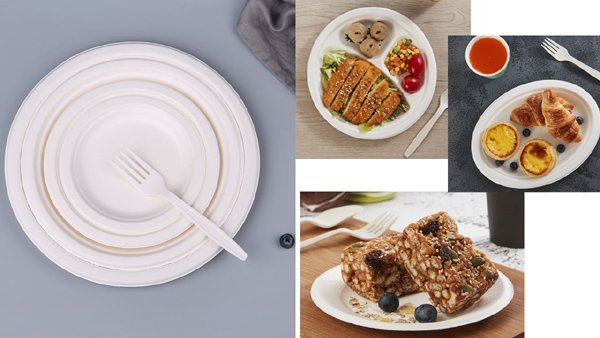
From quick-service restaurants and caterers to eco-conscious households, the adoption of plant-based tableware has seen exponential growth in the past decade. Some of the most successful implementations include:
Molded pulp food containers for takeaway and delivery services, ensuring both food safety and environmental compliance.
Green disposable tableware for events and public gatherings, minimizing post-event waste and supporting zero-waste initiatives.
Bioleader’s Pulp Molding Tableware has been successfully adopted by major hotel chains and universities, providing both reliability and a compelling sustainability narrative for their customers.
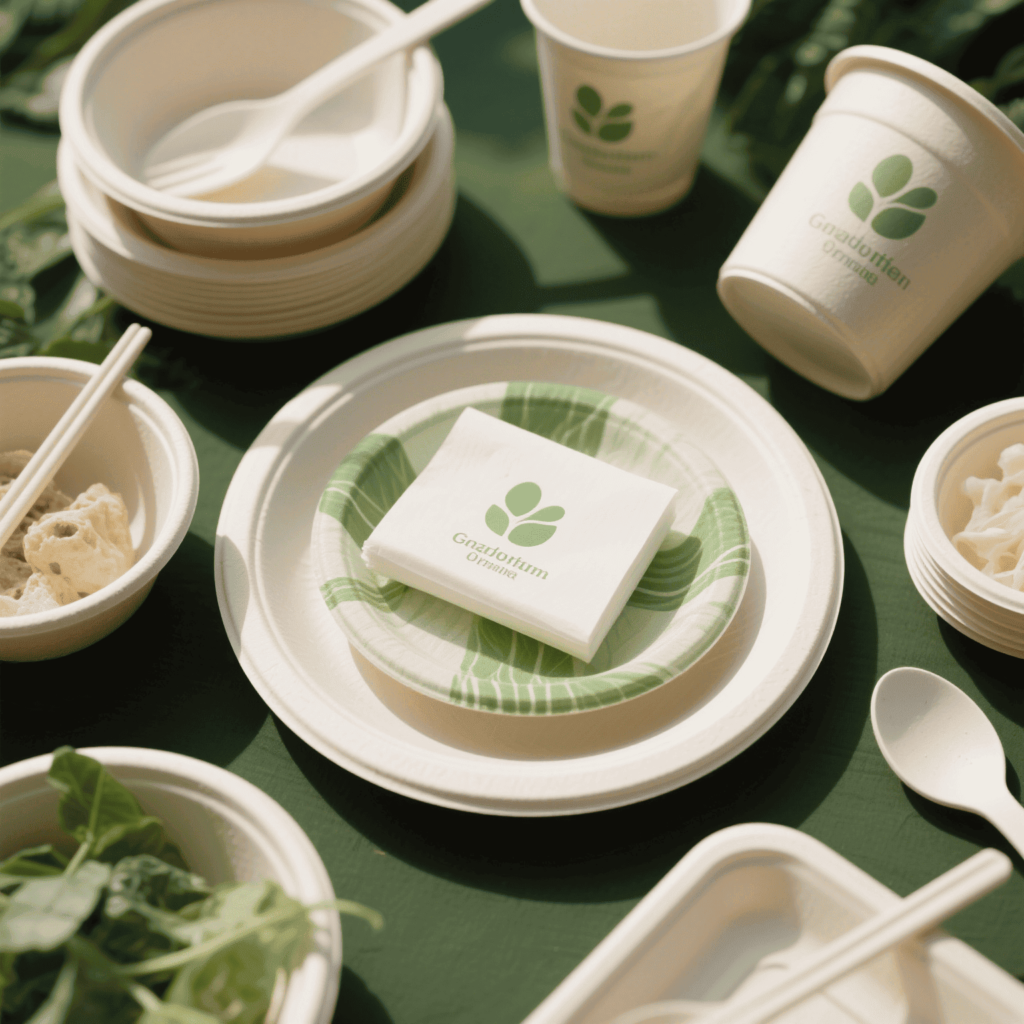
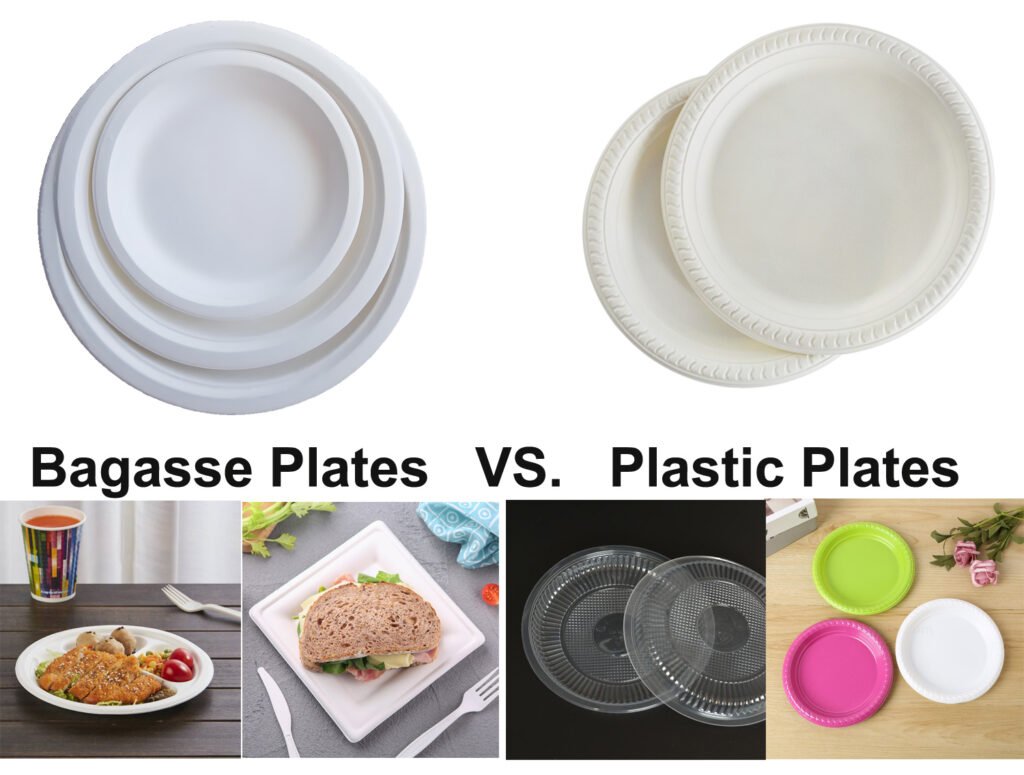
The Big Comparison: Pulp Molding Tableware vs. Plastic Tableware
While traditional plastic tableware is cheap and lightweight, its environmental cost is staggering. Below is a comparison to illustrate the differences in sustainability, safety, and lifecycle:
| Feature | Pulp Molding Tableware | Plastic Tableware |
|---|---|---|
| Raw Material | Plant-based (bagasse, etc.) | Petroleum-based |
| Biodegradability | 90–180 days (compostable) | 100–500+ years |
| Compostability | Yes | No |
| Recyclability | Yes (in paper stream) | Often no |
| Food Safety | Non-toxic, BPA/PFAS-free | May leach chemicals |
| Carbon Footprint | Low | High |
| Wildlife Impact | Harmless upon degradation | Fatal ingestion risks |
| Consumer Preference (2025) | Rapidly increasing | Declining |
Conclusion:
Switching to biodegradable pulp tableware and eco-friendly pulp tableware directly addresses key pain points in the fight against pollution, without sacrificing performance.
Industry Trends, Expert Opinions, and Case Studies
Industry Trends
Global demand for sustainable tableware is projected to grow at 8% CAGR from 2024 to 2030.
Policy bans on single-use plastics are accelerating business adoption of compostable food packaging.
Consumer surveys show 70% of millennials are willing to pay more for green disposable tableware.
Expert Insights
“Pulp molding tableware represents a true leap forward in food service sustainability. It bridges the gap between performance and environmental stewardship, making it the gold standard for responsible packaging.”
— Dr. Emily Richardson, Packaging Sustainability Specialist
Real-World Case Studies
Case Study 1:
A major fast-casual restaurant chain switched to molded fiber tableware and reduced landfill-bound packaging by 60% in just one year, while improving their brand’s green credentials.
Case Study 2:
Bioleader’s clients in higher education replaced plastic trays with biodegradable molded pulp bowls and plates, achieving zero-waste event certification for campus events.
Scientific Data: Validating the Benefits
According to the US EPA, food service industries using biodegradable molded tableware have cut plastic packaging waste by over 50%.
LCA studies show molded pulp tableware emits 40% less CO₂ during production compared to equivalent plastic items.
Composting infrastructure for pulp-based products has expanded by 35% in the US and EU in the past five years.
Best Practices: Implementation & User Feedback
Implementation Example 1
Company: Bioleader
Action: Switched over 80% of their product line to plant-based tableware, focusing on bagasse pulp tableware for food service clients.
Outcome: Increased customer loyalty and new contracts with eco-conscious brands.
User Feedback
“We switched to eco pulp plates for our catering business and noticed not only less waste, but better customer feedback about safety and quality.”
— Emily T., Event Planner
FAQ: Top Google Searched Questions About Pulp Molding Tableware
1. What is pulp molding tableware made from?
Pulp molding tableware is made from plant fibers like sugarcane bagasse, bamboo, and recycled paper.
2. How long does it take for pulp molding tableware to biodegrade?
Most products biodegrade within 90 to 180 days in industrial composting facilities.
3. Is pulp molding tableware microwave safe?
Yes, most pulp molded products are microwave-safe for short durations and suitable for hot foods.
4. Are pulp molding plates compostable at home?
While industrial composting is fastest, many products can compost in a home compost heap, though more slowly.
5. Can you recycle pulp molding tableware?
Yes, in many regions they can be recycled with paper products, but check local guidelines.
6. Does pulp molding tableware contain harmful chemicals?
Quality brands (like Bioleader) ensure their products are free of BPA, PFAS, and other toxins.
7. Is pulp molding tableware more expensive than plastic?
It may be slightly higher in cost, but decreasing as adoption grows and economies of scale are reached.
8. Can pulp molding tableware hold liquids and hot foods?
Yes, high-quality molded fiber tableware is designed to be leak-proof and heat-resistant.
9. Is bagasse pulp tableware better than traditional paper?
Yes, bagasse is more sustainable and durable, using an agricultural byproduct.
Conclusion
In summary, pulp molding tableware is not just an eco-friendly trend—it’s a strategic response to one of the most pressing environmental challenges of our time. By switching to biodegradable, compostable, and plant-based tableware, both businesses and consumers can significantly reduce plastic waste, promote sustainability, and demonstrate environmental leadership. As regulations tighten and consumer preferences shift toward greener alternatives, those who adopt sustainable tableware solutions today are positioning themselves at the forefront of responsible business. The time to say goodbye to plastic waste is now—embrace the future with pulp molding tableware.
References
U.S. Environmental Protection Agency (EPA). “Plastics: Material-Specific Data.” epa.gov
Ellen MacArthur Foundation. “The New Plastics Economy: Rethinking the Future of Plastics.” ellenmacarthurfoundation.org
European Bioplastics. “Bioplastics market data.” european-bioplastics.org
Richardson, E., “Sustainable Packaging Innovations.” Packaging Science Review, 2023.
National Renewable Energy Laboratory (NREL). “Lifecycle Assessment of Biodegradable Tableware.” nrel.gov
World Wildlife Fund. “Plastic Pollution: Causes and Effects.” worldwildlife.org
Composting Council Research & Education Foundation. “Composting Biodegradable Products.” compostfoundation.org
Bioleader. “Pulp Molding Tableware Applications and Benefits.” bioleaderpack.com
United Nations Environment Programme. “Single-Use Plastics: A Roadmap for Sustainability.” unenvironment.org
Food Packaging Forum. “Plant-Based Tableware Safety and Use.” foodpackagingforum.org