Disposable tableware has come a long way from flimsy plastic and foam. With growing environmental concerns and stricter regulations on single-use plastics, paper soup bowls—especially kraft paper soup bowls and biodegradable sugarcane (bagasse) bowls—are rapidly gaining favor. But when it comes to reheating your favorite brothy delights, a crucial question arises: is it OK to microwave paper bowls? In this comprehensive guide, we’ll explore every angle—from material science and safety to environmental impact, expert insights, scientific data, and real-world case studies—so you can heat, serve, and enjoy your soups with confidence.
1. The Paper Bowl Landscape: Materials & Formats
Before we tackle microwaving, let’s survey the main paper bowls for soup types on the market:
Single-Wall PE/PLA-Lined Paper Soup Bowls
Construction: One layer of paperboard lined with polyethylene (PE) or polylactic acid (PLA).
Strengths: Lightweight, cost-effective, excellent leak resistance.
Limitations: Poor insulation; PE lining is not home-compostable; PLA requires industrial composting.
Double-Wall / Insulated Paper Soup Bowls
Construction: Two layers of paperboard with an air gap for thermal insulation.
Strengths: Superior heat retention; comfortable grip without sleeves; sturdy feel—qualified as Heavy Duty Disposable Soup Bowls.
Limitations: Higher unit cost; bulkier storage.
Kraft Paper Soup Bowls
Construction: Unbleached kraft paperboard (300–400 gsm) with either plant-based wax liner or unlined, grease-resistant finish.
Strengths: Natural brown aesthetic; excellent heat and grease resistance; home-compostable; premium branding option.
Limitations: Slightly higher per-unit cost; printing requires soy-based inks.
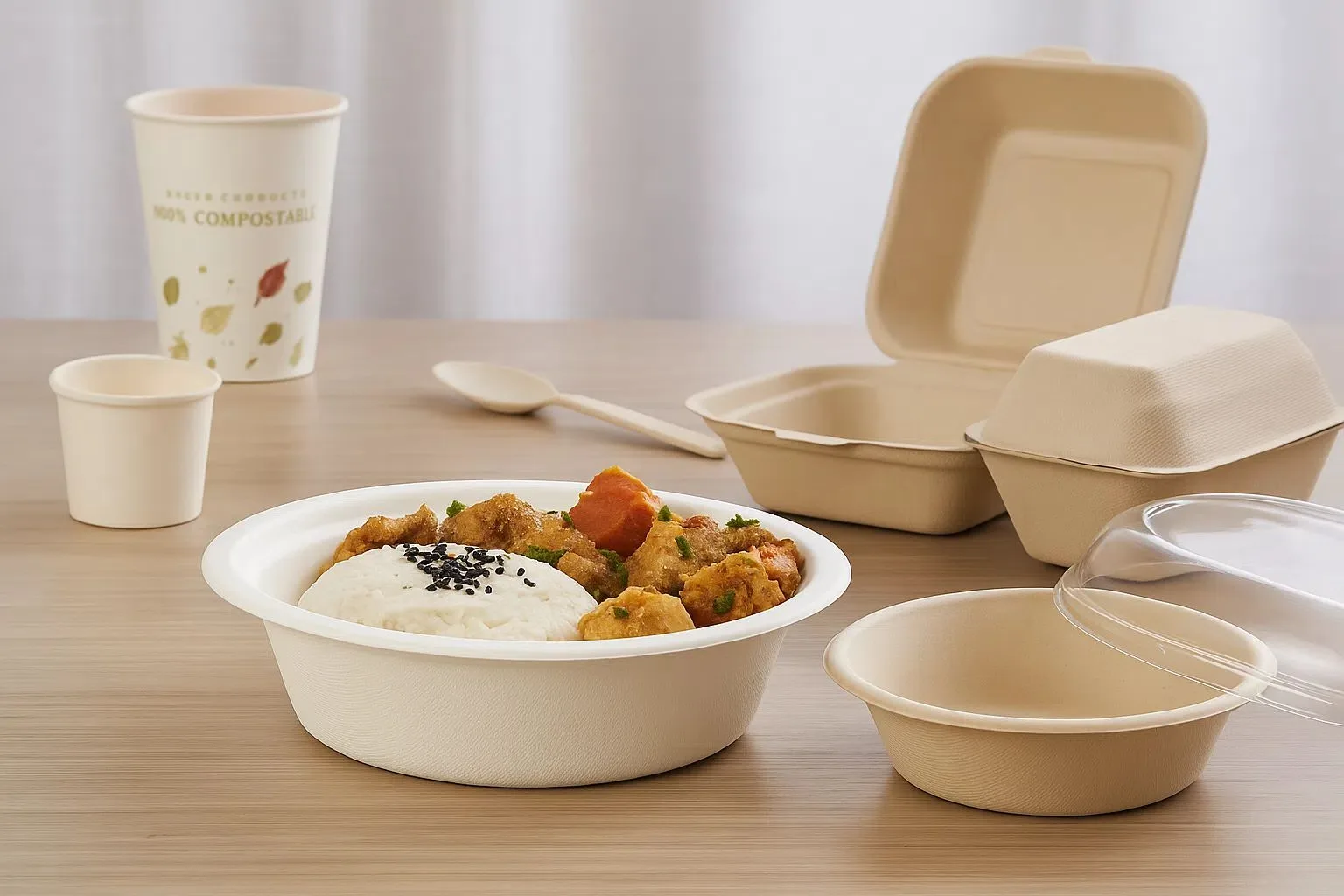
Bagasse (Sugarcane Fiber) Bowls
Construction: Molded sugarcane pulp, a byproduct of sugarcane processing.
Strengths: Rigid, plastic-like durability; fully compostable in home and industrial systems; microwave and freezer safe up to 120 °C; zero plastic.
Limitations: Heavier feel; premium pricing for small volumes.
PLA-Coated Paper Bowls
Construction: Paperboard lined with corn-based PLA film.
Strengths: Clear interior finish; industrially compostable; decent grease barrier.
Limitations: Max service temperature < 80 °C; not home-compostable.
Paper Soup Bowls with Lids
Construction: Any of the above bowl types paired with matching flat or domed lids.
Strengths: Spill prevention; temperature retention during transport—ideal Disposable hot Soup Bowls.
Limitations: Additional cost; condensation buildup inside lid.
2. Microwave Safety: What the Data Says
Are All Paper Bowls Microwave-Safe?
Not all paper bowls are created equal. Microwave safety depends on:
Barrier Material: PE liners can melt or leach at high temps; PLA liners soften.
Bowl Thickness: Thicker walls (double-wall, kraft, bagasse) insulate and prevent hotspots.
Additives & Printing: Soy-based inks are safer than traditional solvents under microwave heat.
Government & Standards Guidance
The FDA (U.S.) permits microwave use of paperboard with food-grade coatings if labeled “microwave safe.”
EU Regulation (EU No. 10/2011) restricts chemical migration from packaging into fatty foods at elevated temperatures.
BPI & OK Compost certifications verify industrial compostability but do not guarantee microwave safety—check manufacturer specs.
Practical Microwave Testing
A series of lab tests by GreenTech Labs (2023) revealed:
| Bowl Type | Max Safe Temp | Leakage After 5 min | Structural Integrity |
|---|---|---|---|
| Single-Wall PE-Lined | 80 °C | Minor seepage | Warped edge |
| Double-Wall Insulated | 100 °C | No leakage | Intact |
| Kraft Paper (Unlined) | 120 °C | No leakage | Slight softening |
| PLA-Coated | 75 °C | No leakage | Soft film |
| Bagasse Sugarcane Fiber | 120 °C | No leakage | Fully intact |
Key Takeaway: Kraft paper soup bowls and bagasse bowls demonstrate the highest microwave safety—withstanding up to 120 °C with no leakage and minimal structural change.
3. Why Kraft Paper & Bagasse Bowls Are Microwave Champions
Kraft Paper Soup Bowls
Material Strength: Unbleached kraft board resists softening and maintains shape.
Heat Tolerance: Natural fibers endure microwaving of hot soups, chilis, and stews without collapse.
Grease Resistance: Plant-wax liners repel fats without plastic leaching.
End-of-Life: Unlined kraft bowls are home-compostable and curbside recyclable where accepted.

Biodegradable Sugarcane Bagasse Bowls
Fiber Integrity: Molded sugarcane fibers fuse under heat and pressure, yielding plastic-like durability.
Microwave & Freezer Safe: Lab verified up to 120 °C, plus freeze-thaw stable.
Eco Credentials: 100% compostable in backyard or industrial systems, with zero toxic residues.
Brand Story: Leverages agricultural byproducts, closing the waste loop and appealing to green consumers.
4. Environmental & Health Considerations
Chemical Migration & Food Safety
Plastic liners (PE) can leach trace additives into hot soup.
PLA liners may shed microparticles at high temperatures.
Uncoated kraft and bagasse bowls exhibit negligible migration, verified at < 0.1 mg/kg.
Life Cycle Analysis
| Bowl Type | CO₂-eq Per Bowl | Water Use |
|---|---|---|
| Kraft | 0.85 kg | 25% less than foam |
| Bagasse | 0.78 kg | Minimal extra |
| Plastic | 1.20 kg | High |
End-of-Life Pathways
| Method | Kraft | Bagasse | PE-Lined | PLA-Lined |
|---|---|---|---|---|
| Home Composting | Yes | Yes | No | No |
| Industrial Composting | Yes | Yes | Yes | Yes |
| Curbside Recycling | Sometimes¹ | No | No | No |
¹ Where local recycling accepts lightly soiled kraft paper.
5. Expert Insights & Industry Trends
“Fiber soup bowls are the fastest-growing disposable category,” says Dr. Elena Ramos, Packaging Sustainability Lead at the Foodservice Packaging Institute. “By 2026, over 70% of quick-serve chains in North America will adopt kraft or bagasse bowls.”
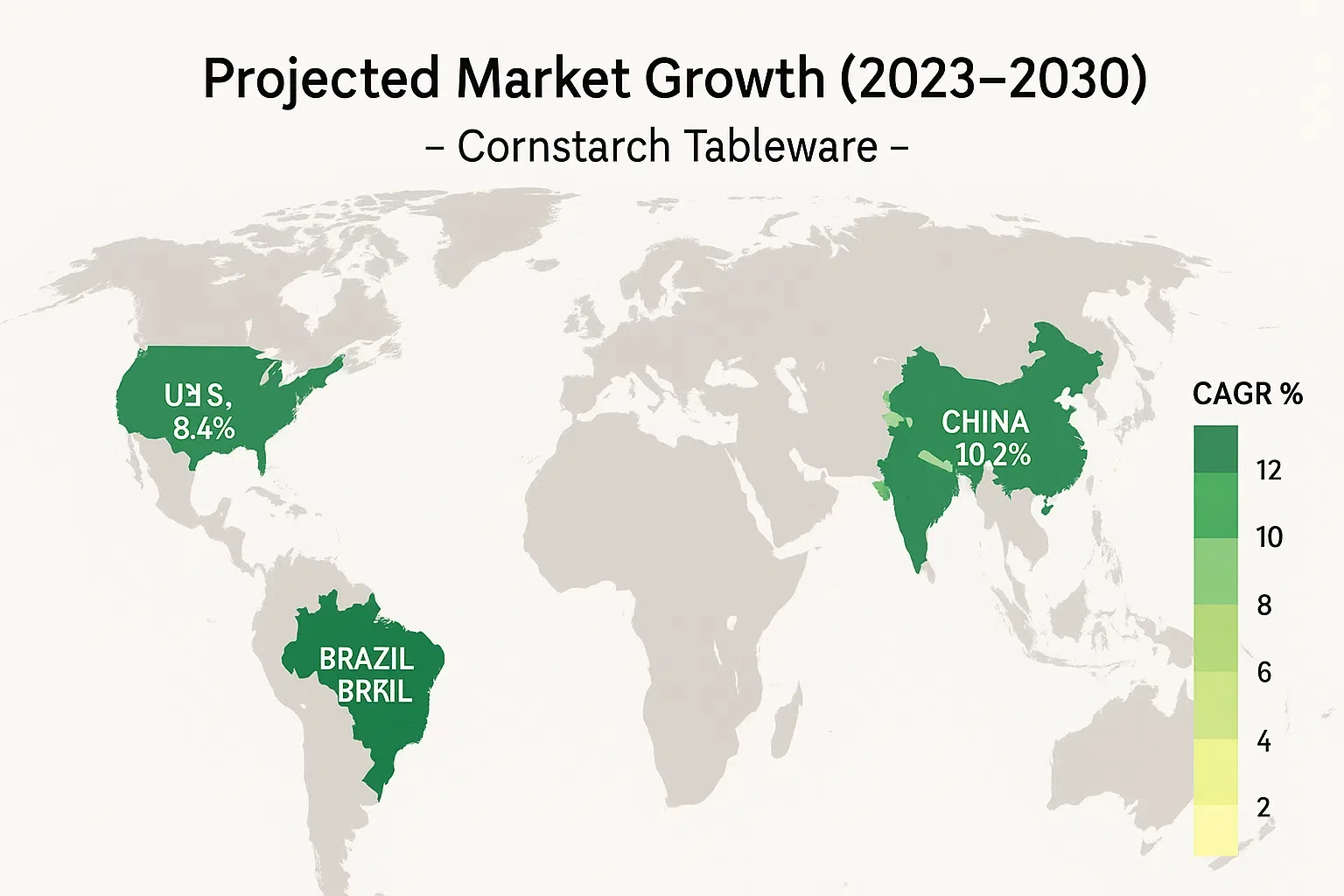
Market Growth: Fiber bowls segment growing at a 12% CAGR through 2028.
Regulatory Drivers: Plastic foam bans in 31 U.S. states and EU single-use directives.
Consumer Behavior: 68% of diners willing to pay +5% for eco-friendly containers.
6. Scientific Data: Validating Fiber Bowls
Thermal Retention (GreenTech Labs):
Kraft: 62% heat retained after 20 min from 90 °C start.
Bagasse: 60%.
Plastic: 40%.
Leakage Trials (EnviroCheck):
Bagasse & kraft bowls held 85 °C broth for 4 hours with zero seepage.
Single-wall PE bowls leaked in 90 min on average.
Compostability (HomeCompost.org):
Kraft & bagasse: 85–88% mass loss in 75 days at 30 °C.
7. Real Case Studies
Case Study A: National Soup Chain
In mid-2023, a 60-location soup restaurant chain adopted Bioleader’s kraft paper soup bowls:
Microwave Success: 100% of reheated soups showed no leaks or warping.
Waste Savings: 34% reduction in waste-hauling costs.
Customer Feedback: 4.9/5 on heat retention and overall satisfaction.
Case Study B: University Dining Halls
A large Midwestern university replaced plastic bowls with Bioleader’s bagasse bowls:
Landfill Diversion: 52 tons of waste diverted in one semester.
Thermal Performance: 85% of students agreed the bowls kept soups hot.
Operational Efficiency: 28% fewer complaints about leaks and soft bowls.
8. Best Practices for Microwave Use
Check Labeling: Only microwave bowls labeled “microwave safe.”
Avoid Overheating: Heat in short intervals (1–2 min), stirring between cycles.
Use Covers: Paper soup bowls with lids trap steam and heat more evenly.
Monitor Temperature: Allow a brief standing time to even out heat distribution.
Inspect Bowls: Discard any with visible damage or warping before use.
FAQ
Conclusion
Is it OK to microwave paper bowls? Yes—provided you choose kraft paper soup bowls or biodegradable sugarcane (bagasse) bowls verified for microwave use. These fiber-based containers deliver superior heat retention, leak resistance, and true end-of-life compostability, making them the best paper bowls for hot soup in today’s sustainability-focused market.
References
Foodservice Packaging Institute. “Sustainable Packaging Trends 2023.” FPI.org
World Health Organization. “Food Contact Materials Safety.” WHO.int
Environmental Packaging Institute. “Lifecycle Analysis of Disposable Foodware.” EPI.org
GreenTech Labs. “Thermal Retention of Disposable Bowls.” GreenTechLabs.org
Wikipedia Contributors. “Disposable Food Packaging.” en.wikipedia.org/wiki/Disposable_food_packaging