Introduction
The food and beverage industry is undergoing one of the biggest shifts in its history: the move away from petroleum-based plastics toward renewable, compostable alternatives. For decades, convenience drove the dominance of PET and PP cups. They were cheap, clear, and sturdy. But today’s consumers, governments, and global supply chains are demanding something more—sustainability.
This is where PLA cups and PLA-lined paper cups come into focus. They combine the practicality of single-use disposables with the eco-friendly benefits of being plant-based and compostable. For cafés, juice bars, restaurants, and international buyers, PLA is not just an alternative; it is quickly becoming a necessity.
In this guide, we explore everything you need to know: What are PLA cups? Are they safe? What are they made of? How do PLA-lined paper cups compare to PE-lined versions? And most importantly—are they the right choice for your business?
What Is a PLA Cup?
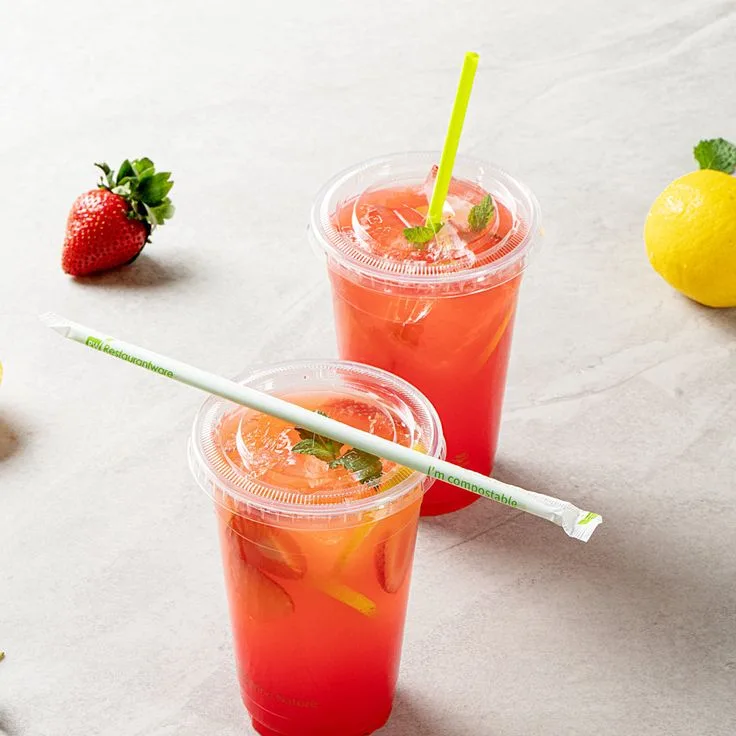
A compostable PLA clear cup is a disposable drinking cup made from polylactic acid (PLA), a bioplastic derived from renewable resources such as corn starch, sugarcane, or cassava. Unlike conventional plastics made from fossil fuels, PLA is plant-based and designed for industrial composting.
At first glance, a PLA cup looks just like a PET plastic cup. It is transparent, smooth, and lightweight. Customers can enjoy their iced lattes, smoothies, or juices without noticing any difference. But the key difference lies in the origin and end-of-life. PLA cups are produced from agricultural byproducts, and when disposed of correctly in composting facilities, they can break down into natural materials instead of polluting landfills for centuries.
This dual advantage—practicality plus sustainability—is why demand for compostable PLA cups wholesale has been rising sharply in global foodservice markets.
What Are PLA Cups Made Of?
PLA cups begin their life not in an oil refinery, but in a cornfield or sugarcane plantation. The production process involves several stages:
Feedstock extraction – Sugars are extracted from renewable crops such as corn, cassava, or sugarcane.
Fermentation – The sugars are fermented into lactic acid, the building block of PLA.
Polymerization – Lactic acid is polymerized into long-chain molecules, forming PLA resin.
Manufacturing – The resin is processed into films, sheets, or injection-molded into cup shapes.
Because PLA is made from plants, the production process can reduce greenhouse gas emissions by up to 65% compared to PET. It also avoids reliance on fossil fuels, which are both environmentally damaging and increasingly regulated.
For buyers, this means that sourcing from a biodegradable plastic drinking cups supplier ensures not only compliance with future regulations but also a marketing edge: being able to promote plant-based packaging to eco-conscious consumers.

Is PLA Actually Plastic?
This is a common question, especially among consumers unfamiliar with bioplastics. Technically, PLA is a plastic—but it is a bioplastic. That means it has the same properties as conventional plastic (clarity, durability, moldability) but is made from renewable biological feedstocks instead of petroleum.
The key distinction:
Conventional plastic = petroleum-based, non-biodegradable.
PLA plastic = plant-based, industrially compostable.
In practice, PLA behaves like plastic in the consumer’s hand but behaves very differently at the end of its life cycle. For this reason, many distributors market PLA as the best balance between usability and eco-friendliness.
Is PLA Safe to Use as a Cup?
Safety is often the first concern raised by buyers in the foodservice industry. The good news is that PLA is globally recognized as food safe. It has been tested and approved by agencies such as the U.S. Food and Drug Administration (FDA) and the European Food Safety Authority (EFSA).
PLA cups are free from harmful chemicals such as BPA, phthalates, and PFAS, which are often found in conventional plastics. They are perfectly safe for cold beverages, desserts, and even salad containers.
However, PLA does have a limitation: it is heat-sensitive. At around 55–60°C (131–140°F), PLA begins to soften and deform. That makes it unsuitable for hot coffee or tea. For these applications, businesses turn to PLA-lined paper cups, which combine paper insulation with compostable PLA lining.
For cold beverages, however, PLA cups are one of the safest and most sustainable options on the market. Many cafés specifically advertise that they use eco-friendly PLA clear cups for juice bars, reassuring customers about both safety and sustainability.
What Is PLA Lining in Paper Cups?
Paper cups by themselves cannot hold liquids. Paper is porous and will quickly absorb moisture, leading to leaks. To make paper cups functional, manufacturers add a thin plastic lining. Traditionally, this has been PE (polyethylene), a petroleum-based plastic.
The issue? PE-lined paper cups are almost impossible to recycle or compost because the plastic lining is fused with the paper. Most end up in landfills.
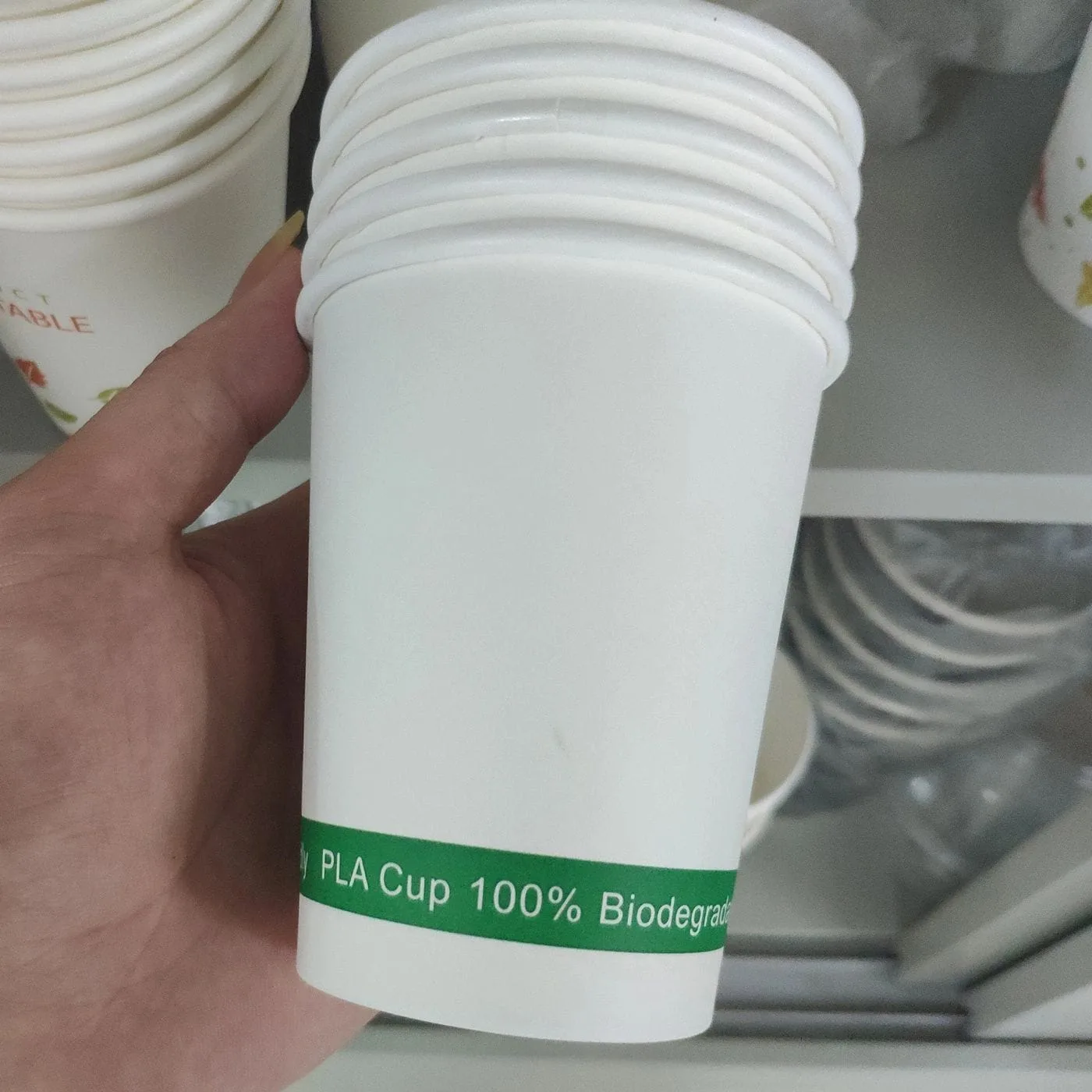
PLA lining solves this problem. Instead of PE, manufacturers coat paper cups with a thin layer of PLA. This makes the cup leak-proof while still compostable under industrial conditions. The result is a PLA-lined paper cup that can hold hot coffee, tea, or soup while aligning with eco-friendly branding.
For importers, sourcing from a PLA-lined paper coffee cups factory ensures compliance with upcoming bans on PE-lined paper cups, especially in Europe and North America.
Are PLA-Lined Cups Safe?
Yes. PLA-lined cups are just as safe as PLA cups for food and beverage contact. They are tested under global food safety regulations and are free from harmful chemicals. In fact, they are often the preferred option for hot beverages, since PLA resin alone cannot withstand high heat.
Coffee chains, airlines, and quick-service restaurants are increasingly switching to PLA-lined cups because they:
Withstand heat up to 85°C.
Provide a similar experience to conventional paper cups.
Offer compostable certification under EN13432 and ASTM D6400.
For buyers, PLA-lined cups provide the peace of mind of regulatory compliance while also serving as a marketing tool—customers notice and value compostable logos on their daily coffee cups.
PLA vs PET and Other Cup Materials
PLA vs PET
PET is still the most widely used material for cold cups. It is clear, sturdy, and recyclable in theory. The reality is different: global PET recycling rates remain below 30%, and most PET cups end up in landfills or oceans. PLA, on the other hand, is compostable in industrial facilities, returning to natural biomass rather than creating microplastic pollution.
While PET may be slightly cheaper today, PLA offers a long-term advantage: compliance with regulations and alignment with consumer expectations. For many beverage businesses, ordering from a PLA cold cups with lids manufacturer is both a regulatory strategy and a marketing investment PLA cold cups.
PLA vs PE-Lined Paper Cups
PE-lined cups dominate the coffee industry but are increasingly restricted. They are not compostable, not recyclable, and contribute significantly to landfill waste. PLA-lined cups solve these issues, offering the same performance with eco-credentials.
PLA vs Reusable Cups
Reusable cups (glass, stainless steel, bamboo) are the gold standard of sustainability, but they are not practical for every business or consumer. For quick-service restaurants, events, and takeaway chains, PLA provides a middle ground: single-use convenience with reduced environmental impact.
Environmental Impact of PLA
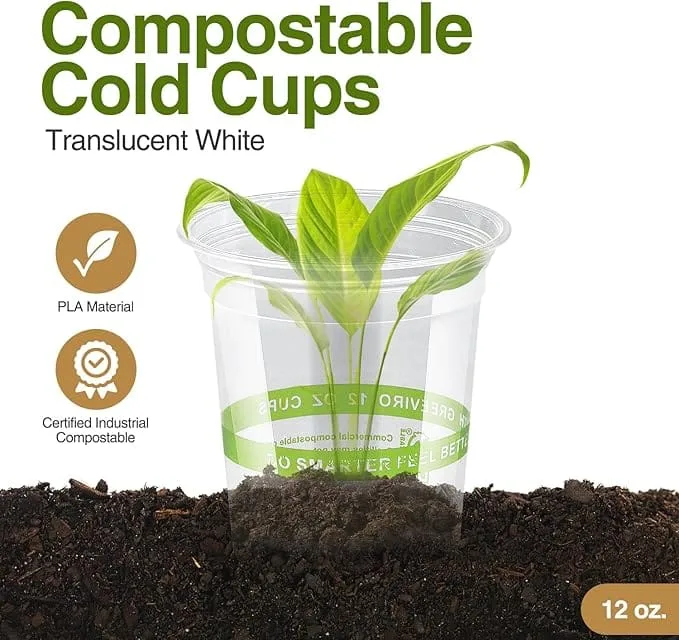
The strongest selling point of PLA is its environmental profile. Unlike fossil-based plastics, PLA is compostable in industrial conditions.
Compostability: Certified under EN13432 and ASTM D6400, PLA cups can fully biodegrade in 90–180 days in commercial composting facilities.
Carbon emissions: PLA production emits significantly less CO₂ than PET or PP plastics. Life cycle assessments show reductions of up to 65%.
Microplastic prevention: Proper composting avoids the microplastic pollution associated with traditional plastics.
For importers, choosing industrial compostable PLA cups BPI certified provides assurance that products meet recognized standards. This certification is increasingly required by large retail chains and governments.
Market Trends and Buyer Considerations
The shift toward PLA is not only driven by consumer preference but also by regulation.
European Union: The Single-Use Plastics Directive prohibits non-compostable disposables, pushing buyers toward PLA.
United States: Cities like Seattle and San Francisco mandate compostable foodservice packaging.
Canada: National bans on single-use plastics include non-compostable cups.
Asia-Pacific: Japan, South Korea, and China are strengthening standards for compostable products.
Buyers must also consider certifications. Reputable suppliers provide BPI, EN13432, ASTM D6400, or TÜV Austria certifications to prove compostability. Without these, products may be seen as greenwashing.
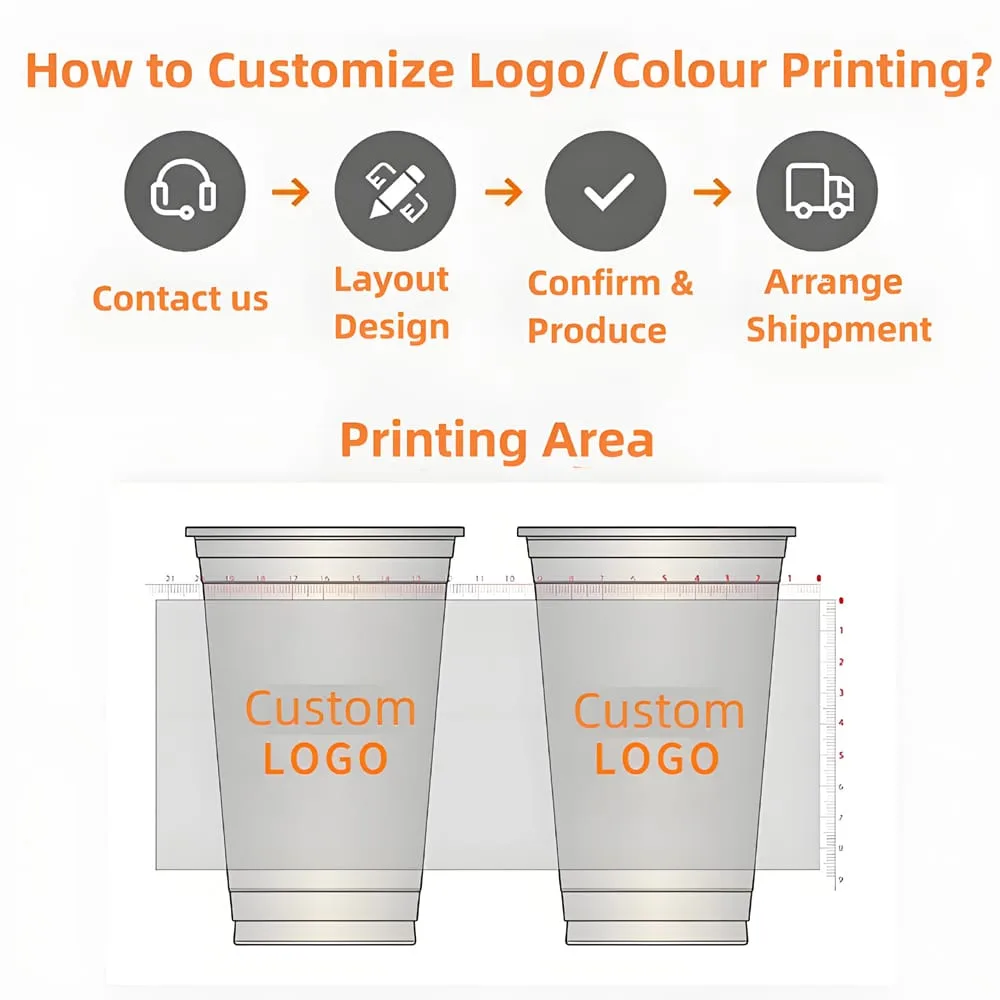
Customization is another factor. Many buyers now request customized PLA logo cups OEM/ODM, allowing them to promote their brand’s sustainability directly to customers.
OEM & Customization Options for PLA Cups and PLA-Lined Paper Cups
For many buyers, purchasing PLA cups or PLA-lined paper cups is not only about functionality but also about brand visibility and customer experience. This is where OEM (Original Equipment Manufacturer) and ODM (Original Design Manufacturer) customization becomes valuable.
1. Custom Branding and Printing
Businesses can request logo printing, custom colors, and brand slogans on both PLA cold cups and PLA-lined paper coffee cups. This transforms a disposable cup into a marketing tool, helping cafés, juice bars, and restaurants communicate their eco-friendly values directly to customers.
2. Wide Range of Sizes and Designs
OEM factories offer flexibility in sizes, from 8oz PLA cold cups with lids for juices and smoothies to 16oz or 20oz PLA-lined coffee cups for hot beverages. Buyers can also select dome lids, flat lids, or strawless designs, depending on their market and product needs.
3. Sustainability Marketing Value
Customized compostable cups allow brands to emphasize their commitment to sustainability. Printing messages such as “100% Compostable” or displaying compostability certifications (BPI, EN13432, ASTM D6400) builds consumer trust while meeting government regulations.
4. OEM/ODM Advantages for Buyers
Working with a PLA cold cups with lids manufacturer or a PLA-lined paper coffee cups factory ensures:
Stable production capacity and on-time delivery.
Bulk pricing for large-volume orders.
Compliance documentation for export to the U.S., EU, and Canada.
Professional support for packaging design and private labeling.
5. Real-World Applications
Juice bars often order customized PLA logo cups OEM/ODM to enhance their brand presence in competitive markets.
Coffee chains print sustainable messages on PLA-lined paper cups, turning every cup into a customer touchpoint for their eco campaign.
Event organizers order bulk customized cups to showcase sponsors or event logos, while still aligning with green event standards.
Limitations and Practical Use Cases
Like all materials, PLA has its limitations:
Higher cost than PET or PE-lined paper cups.
Heat sensitivity makes PLA cups unsuitable for hot drinks.
Infrastructure dependency—without industrial composting facilities, PLA may end up in landfill.
Despite these challenges, PLA has clear practical use cases:
Juice bars and smoothie shops rely on disposable PLA smoothie cups bulk for daily operations.
Coffee shops benefit from PLA-lined paper coffee cups for hot drinks.
Events and festivals prefer compostable cups to simplify waste sorting.
Corporate catering uses PLA cups as part of their sustainability programs.
Restaurants and cafés order bulk PLA cups for restaurants and cafés to meet customer demand for eco-friendly packaging.
FAQ
Are PLA cups safe for cold drinks?
Yes. PLA cups are certified food-safe and are ideal for cold beverages such as smoothies, juices, and iced coffee. They are free from harmful chemicals like BPA and PFAS, making them safe for everyday use.
Can PLA cups hold hot coffee or tea?
No. PLA cups soften at around 55–60°C and are not designed to handle hot beverages. For hot coffee or tea, PLA-lined paper cups are the better option, as they combine paper strength with compostable PLA lining.
How long does it take for PLA cups to decompose?
PLA cups typically take 90–180 days to fully break down in an industrial composting facility. However, in natural environments or landfills without composting conditions, the process may take much longer.
What is the difference between PLA cups and PET cups?
PLA cups are made from renewable plant-based resources and are compostable, while PET cups are made from petroleum and are recyclable. Both are clear and durable, but PLA is better suited for businesses that want to reduce carbon footprint and meet sustainability goals.
Can PLA cups be customized with logos for branding?
Yes. Many suppliers offer OEM/ODM services, allowing cafés, juice bars, and event organizers to print logos, brand messages, or sustainability icons directly on PLA cups or PLA-lined paper cups. This turns each cup into a branding opportunity.
Conclusion
PLA cups and PLA-lined paper cups represent a new era of sustainable foodservice packaging. They are safe, functional, and compliant with global regulations, while also aligning with consumer expectations for eco-friendly solutions.
For buyers, the decision is clear: switching to PLA products is not only about reducing environmental impact but also about future-proofing against regulations and gaining a competitive edge. Whether you need compostable PLA cups wholesale, PLA-lined paper coffee cups factory options, or customized PLA logo cups OEM/ODM, sourcing from experienced suppliers ensures reliability, certifications, and customer satisfaction.
PLA may not solve all environmental problems, but it is a practical, scalable, and market-ready solution for today’s foodservice businesses. Investing in PLA food containers and cups exporter partnerships now means being prepared for the packaging industry of tomorrow.
Reference
European Bioplastics – Market Data Report 2024, European Bioplastics Association
U.S. Food and Drug Administration – Food Contact Materials Guidelines, FDA
European Food Safety Authority – Bioplastics and Food Safety Review, EFSA
ASTM International – Compostability Standard ASTM D6400
TÜV Austria – OK Compost Certification Framework
Ellen MacArthur Foundation – The New Plastics Economy Report
United Nations Environment Programme – Single-Use Plastics Policy Roadmap
Biodegradable Products Institute – BPI Certification Standards
Journal of Polymers and the Environment – PLA Degradation Study
Packaging Europe Magazine – Global Trends in Sustainable Packaging
PLA Cups & PLA-Lined Paper Cups: Key Insights for Buyers
How do PLA cups and PLA-lined paper cups fit into the future of food packaging? They are compostable, food-safe, and derived from renewable plants, offering a sustainable shift away from petroleum plastics.
Why are businesses switching? Global bans on single-use plastics, rising consumer demand for eco-friendly options, and the need for certified packaging make PLA the logical choice for cafés, juice bars, and restaurants.
What options are available? Transparent PLA cold cups for smoothies and juices, PLA-lined paper cups for hot coffee and tea, and OEM/ODM custom designs with printed logos to enhance brand visibility.
Key considerations for buyers: PLA cups are ideal for cold drinks but not heat-resistant; PLA-lined cups solve hot beverage needs. Certifications like BPI, EN13432, and ASTM D6400 ensure compliance for export markets.
Market trend outlook: Demand for compostable cups is accelerating worldwide. Buyers who secure reliable suppliers now can gain cost advantages, regulatory compliance, and stronger sustainability branding in 2025 and beyond.