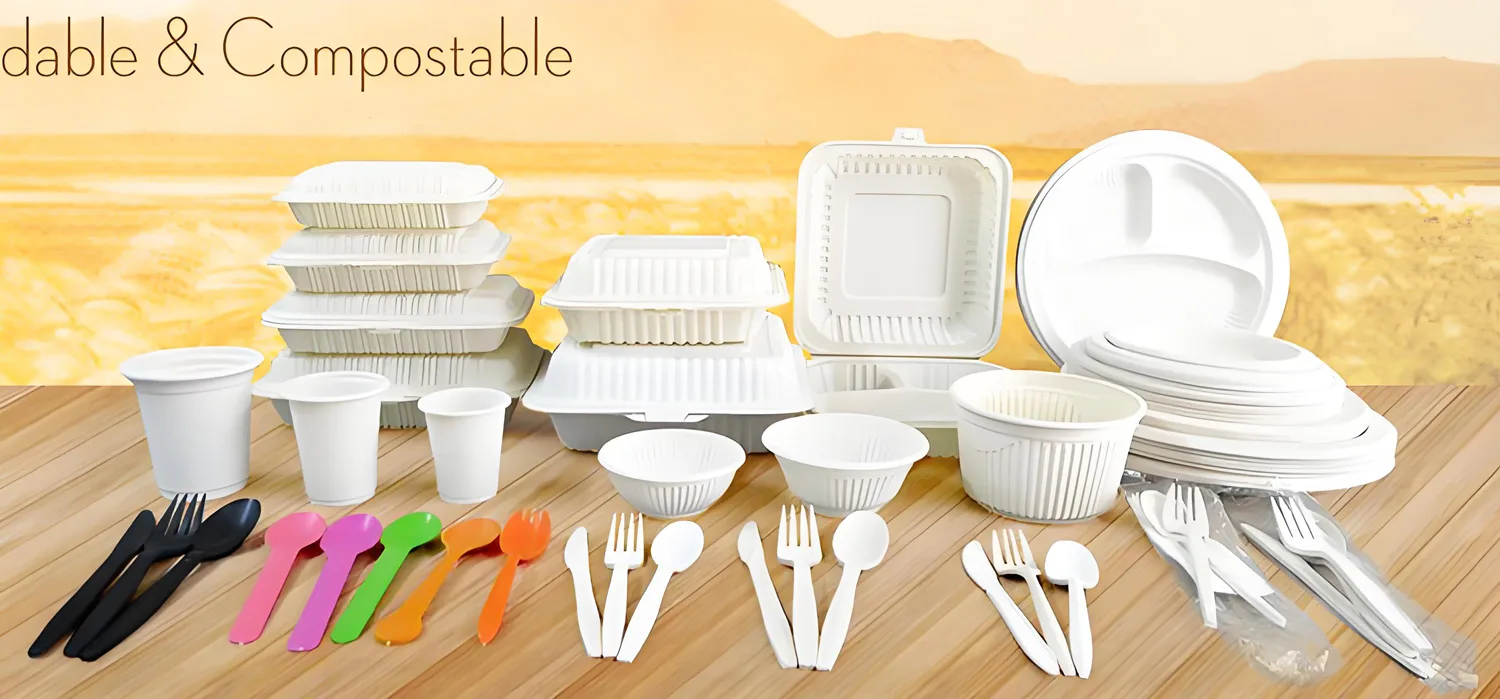
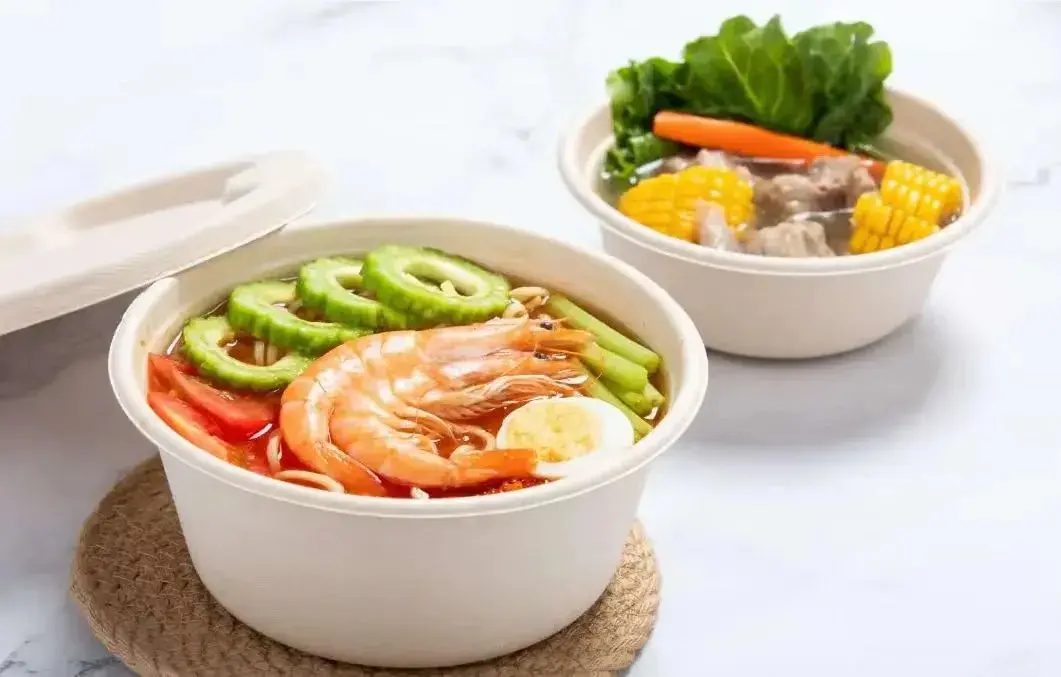
Colombia’s Bold Step Toward a Plastic-Free Future
In an ambitious move that puts it ahead of many regional peers, Colombia is set to enforce a wide-reaching ban on single-use plastics starting July 7, 2024. This legislation will make Colombia one of the most progressive countries in Latin America when it comes to tackling plastic pollution.
The law targets a broad range of disposable plastic products used in foodservice, retail, and everyday consumption. Importantly, it provides a roadmap toward full elimination of non-compliant plastics by 2030—paving the way for compostable and reusable packaging to dominate the market.
This presents both a challenge and a vast opportunity for businesses that rely on plastic food containers, cups, cutlery, and packaging. For forward-looking manufacturers and suppliers, this shift signals a green light for scalable compostable alternatives.
The Policy at a Glance — Timeline, Scope, and Enforcement
Colombia’s law was passed under the 2022 “Law 2232,” with specific items now scheduled for prohibition beginning in mid-2024. Here’s what you need to know:
Effective date: July 7, 2024
Banned items include:
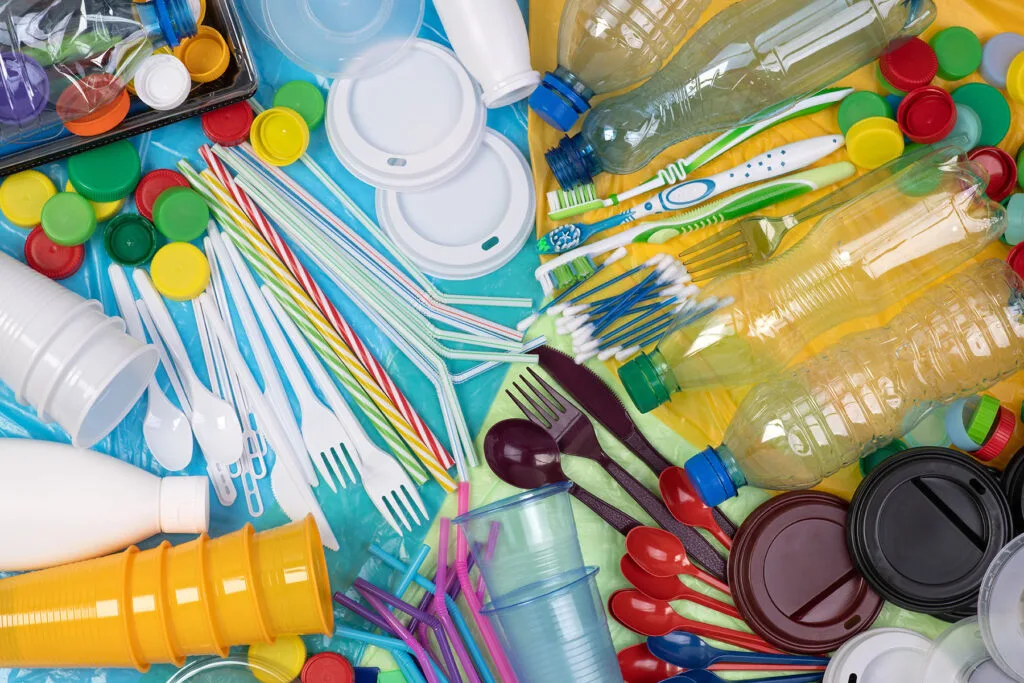
Plastic bags (under 50 microns)
Plastic straws
Single-use cutlery (forks, spoons, knives)
Plastic stirrers and plates
Cotton swabs with plastic stems
Expanded polystyrene (EPS/Styrofoam) food containers
By 2030, all remaining public-facing plastic packaging and foodservice items must be:
Reusable
Recyclable
Certified compostable
The law will be enforced through import restrictions, inspection by regulatory agencies, and fines for non-compliance. Municipal governments will play a key role in monitoring adherence at the local level.
Why Colombia’s Ban Is Different — A Regulatory Perspective
Unlike piecemeal bans seen elsewhere, Colombia’s legislation outlines a clear, phased transition toward a sustainable packaging ecosystem. It not only restricts harmful materials but also encourages investment in environmentally friendly alternatives.
Compared to Chile’s restaurant-focused ban or Peru’s regulation-in-progress, Colombia’s policy is:
Broader in scope
Backed by national enforcement
Geared toward replacing plastics, not just removing them
This opens the door for certified compostable packaging producers to step in—particularly those offering fully tested, food-safe, and export-compliant alternatives.
Impact on Foodservice, Retail, and Events
From street vendors to stadiums, the ban will have sweeping implications:
Restaurants and food trucks must find alternatives to EPS trays, plastic forks, and sauce containers.
Supermarkets and delivery apps can no longer rely on plastic bags, sachets, or utensils.
Events and festivals—a significant part of Colombian culture—will need certified, bulk-supplied compostable tableware for food and beverage service.
Hospitals, schools, and public canteens will be required to adopt legally compliant packaging solutions.
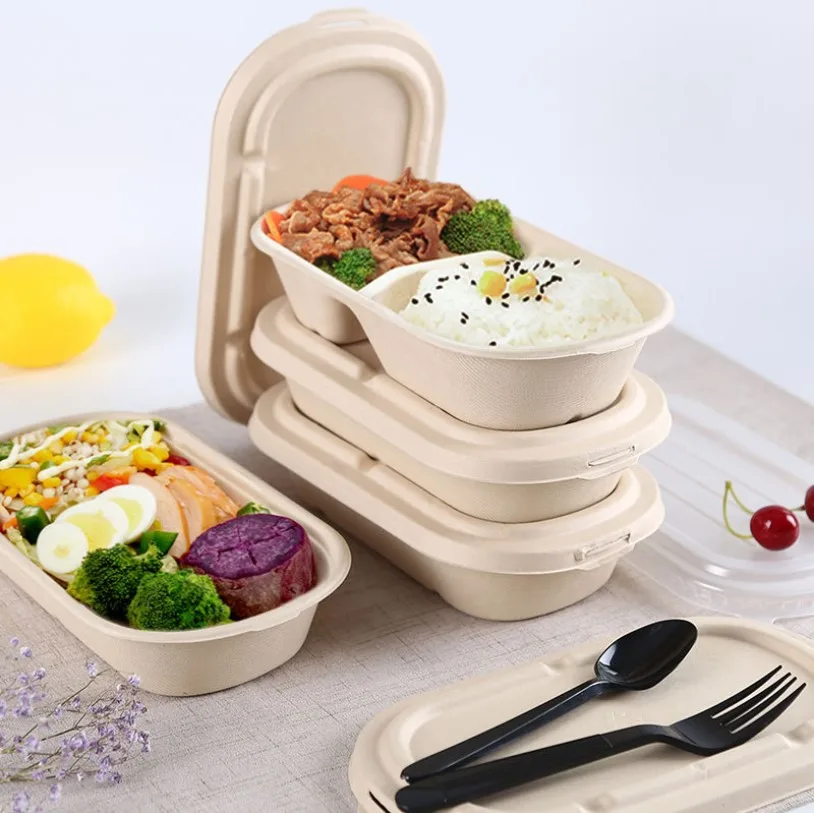
Compostables: The Path Forward
Colombia’s policy doesn’t just ban plastics—it defines what comes next.
To qualify as compliant, compostable products must:
Break down within a specific time under industrial or home composting conditions
Pass lab tests confirming material biodegradation, disintegration, and toxicity standards
Hold certifications such as:
ASTM D6400 (USA)
EN13432 (Europe)
TÜV Austria OK Compost
BPI Certification
Preferred compostable materials include:
Bagasse (sugarcane fiber waste)
Cornstarch (CPLA, TPS)
Kraft paper with natural coatings
How Bioleader® Is Supporting Compliance with Smart Packaging
As Colombia moves toward a plastic-free economy, Bioleader® is enabling food businesses, retailers, and institutions to meet new compliance standards with a full portfolio of sustainable packaging solutions. Here’s how:
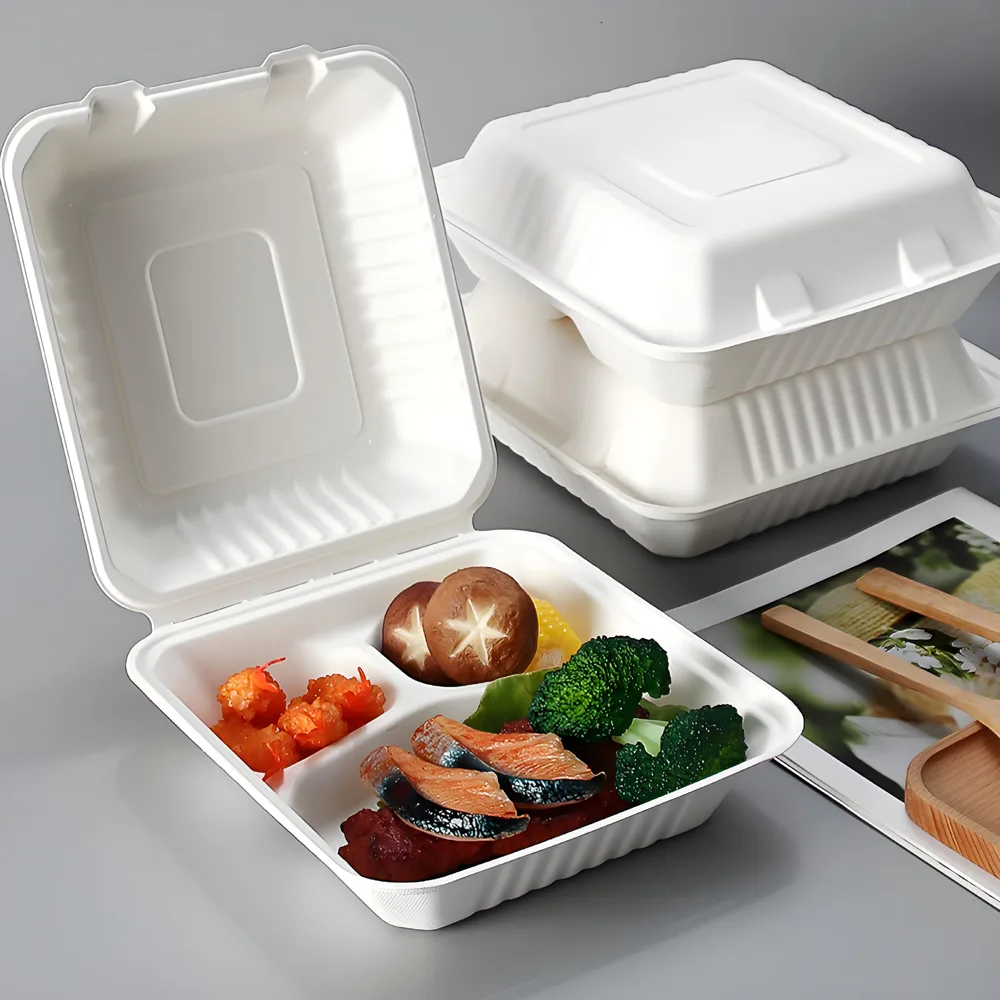
🌿 1.Sugarcane Bagasse Tableware
Durable clamshell containers, trays, plates, and bowls made from sugarcane fiber.
Oil-resistant, microwave-safe, and certified compostable—ideal for takeout, catering, and festivals.
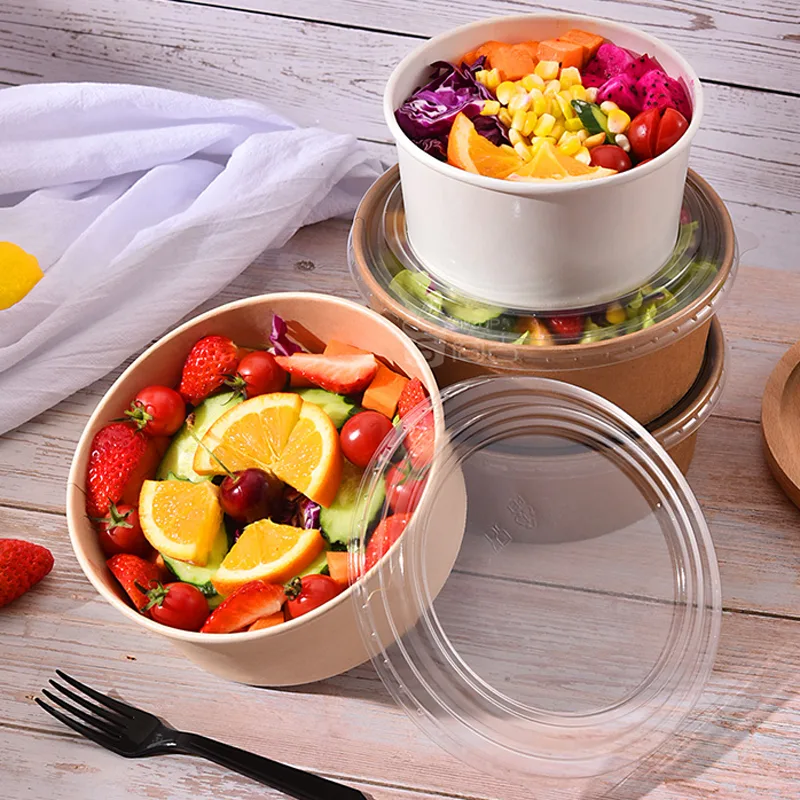
🥗 2. Kraft Paper Salad Bowls and Takeout Boxes
Natural brown kraft salad bowls with matching lids for fresh meals, cold dishes, or delivery kits.
Leak-resistant kraft paper takeout boxes with fold-lock tops—perfect for gourmet food trucks, cafés, and event catering.
Both options are recyclable and compostable, aligning with Colombian packaging law definitions.
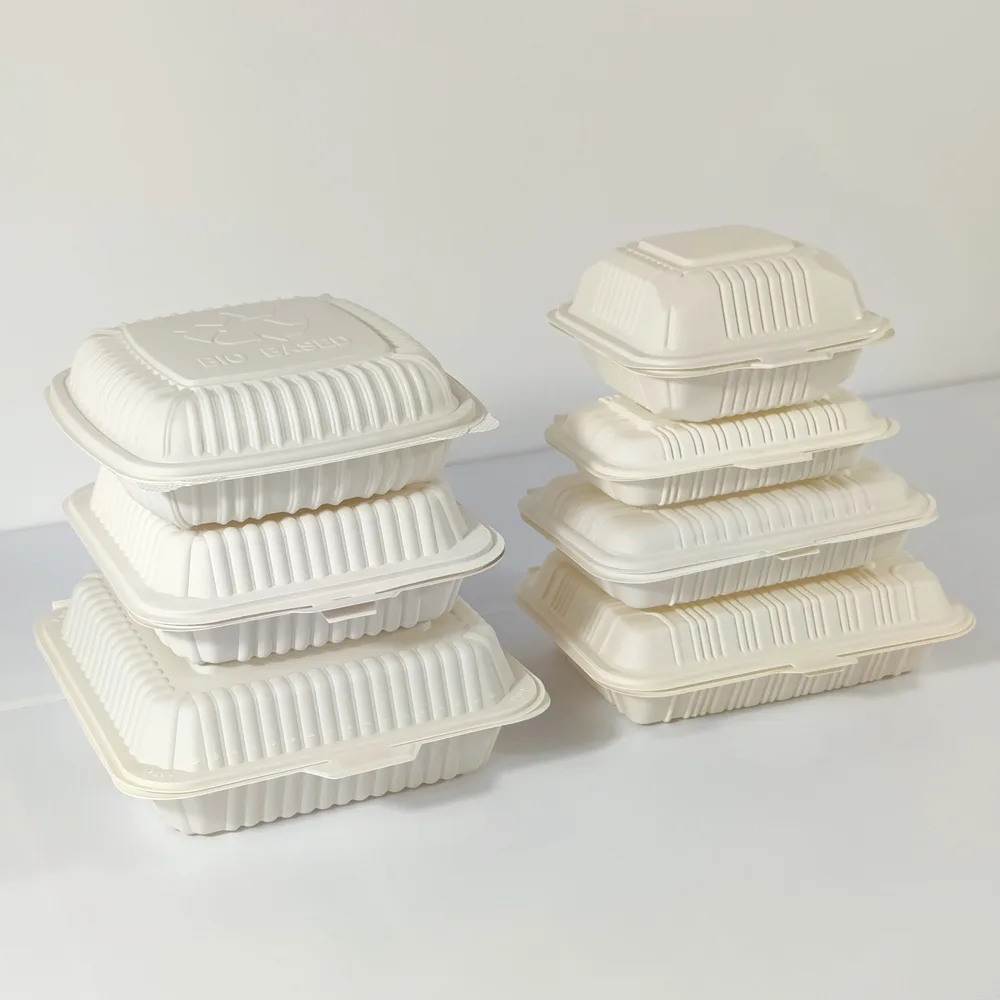
♻️ 3. Cornstarch-Based Bento Boxes & Bowls
Heat-resistant, cornstarch compostable lunch containers and round bowls molded from plant starch.
Available in compartment-style formats for sauces and multi-dish servings.
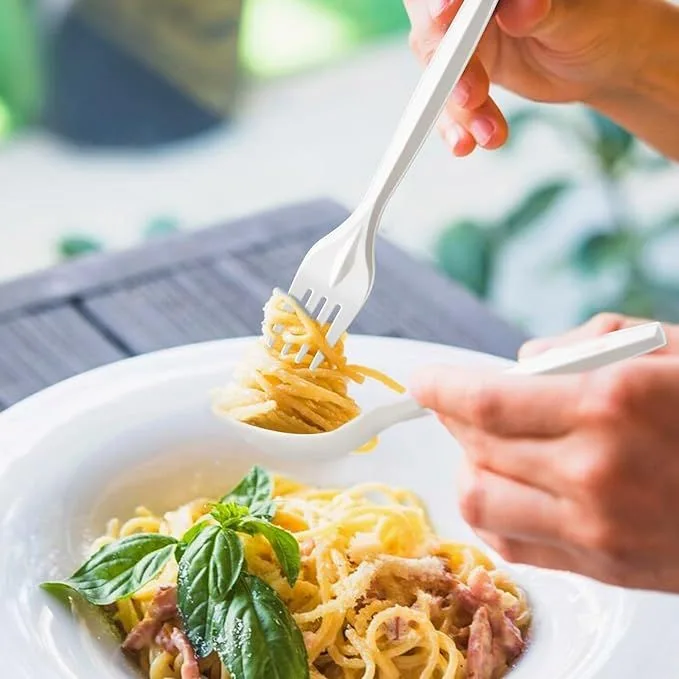
🔪 4. Compostable CPLA Cutlery
Certified knives, forks, and spoons for retail and institutional service.
High-heat performance with TÜV or BPI compostability labeling.
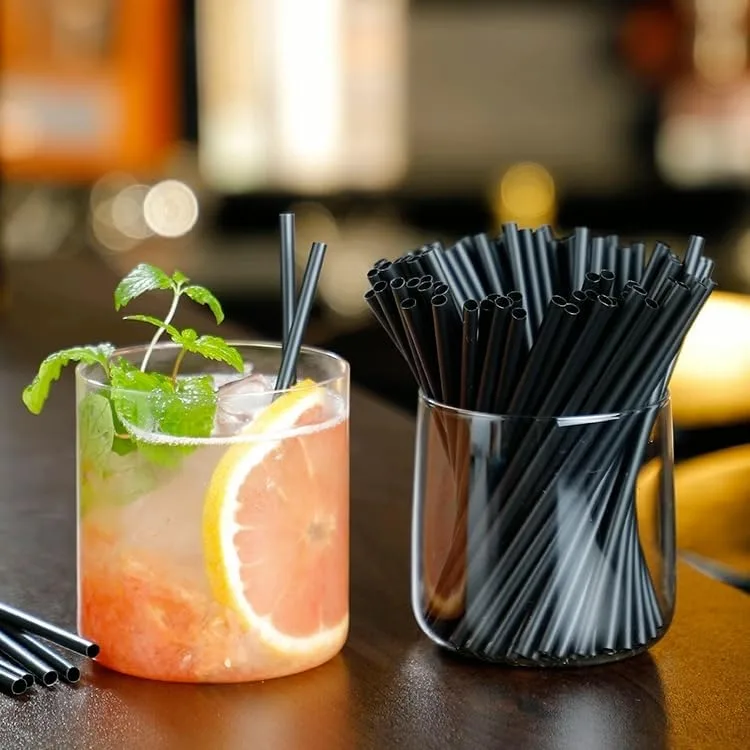
🧋 5. PLA and Paper Straws
PLA straws ideal for cold drinks and smoothies.
Unbleached, natural-tone paper straws for daily foodservice or government regulations.
📦 6. Custom Branding and Latin America Export
Bioleader® offers private labeling, retail-ready packaging, and documentation in Spanish and English.
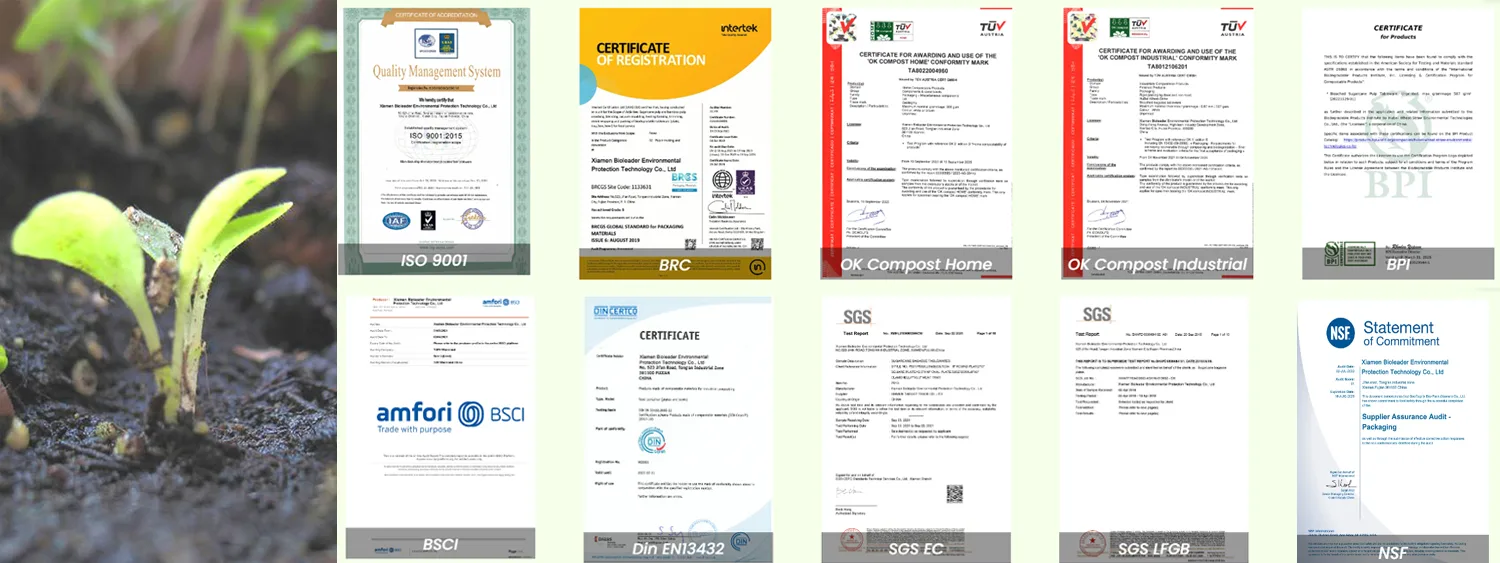
All products are supported by globally recognized certifications including OK Compost, EN13432, and SGS food-contact reports.
Reliable bulk fulfillment with customs-cleared export capacity into Latin America.
Preparing for 2030 — What Vendors, Distributors, and Exporters Must Do Now
The 2024 deadline is only the first checkpoint. To prepare for 2030, businesses should:
Audit existing packaging inventory
Replace any plastic-only products with recyclable, reusable, or compostable alternatives.Source from certified manufacturers
Choose suppliers that offer documentation and international certifications (e.g. Bioleader®’s TÜV, BPI, FDA, SGS reports).Educate your clients and staff
Make compostable product usage part of your brand’s sustainability messaging.Adapt infrastructure for compostable disposal
Partner with composting providers or start in-house pilot programs where applicable.
FAQs
1. What exactly is banned in July 2024?
Plastic bags, straws, cutlery, plates, polystyrene food containers, and more.
2. Are compostable items considered legally compliant?
Yes—if they are certified under international standards (ASTM D6400, EN13432, etc.).
3. What certifications are accepted in Colombia?
TÜV Austria OK Compost, BPI, EN13432, and other globally recognized labels.
4. Can international suppliers sell to Colombian distributors?
Yes, if the products meet Colombian biodegradability and safety requirements.
5. What should brands do to prepare by 2030?
Begin the transition now. Build supplier relationships, update packaging formats, and align with new legal definitions.
Conclusion — A Green Opportunity for Those Who Move Early
Colombia isn’t just phasing out plastic—it’s opening space for a new economy based on smart, compostable, and certified packaging.
For food businesses, municipalities, and global exporters, this policy marks a turning point. It’s no longer just about looking eco-friendly—it’s about meeting legal standards with sustainable solutions that work.
Bioleader® stands ready to lead this transition, offering compostable packaging that’s functional, compliant, and scalable for the Colombian market and beyond.
References
Ministry of Environment and Sustainable Development (Colombia)
Law 2232: Ban on Single-Use Plastics in Colombia
https://www.minambiente.gov.co/El Tiempo (Colombia)
Lo que prohíbe la nueva ley de plásticos de un solo uso en Colombia
https://www.eltiempo.com/vida/medio-ambienteOECD
Single-Use Plastics and the Environment: Latin America Outlook
https://www.oecd.org/environment/single-use-plastics-latin-america.htmUnited Nations Environment Programme (UNEP)
Plastic Pollution in Latin America: Solutions & Challenges
https://www.unep.org/resources/report/beat-plastic-pollution-latin-americaWorld Economic Forum
Compostable Packaging is the Future of Food
https://www.weforum.org/agenda/2023/06/compostable-food-packaging-plastic-pollution/Wikipedia
Plastic pollution in Colombia
https://en.wikipedia.org/wiki/Plastic_pollution_in_ColombiaBioleader® Official Website
Certified Compostable Packaging for Latin America
https://www.bioleaderpack.com/