


Why Japan Is Acting on Single-Use Plastics
Japan has long been known for its pristine streets and meticulous waste-sorting culture. Yet behind the image of cleanliness lies a surprising statistic: Japan is one of the largest generators of plastic waste per capita in the world. While most of this waste is incinerated, the environmental cost remains high.
To address this challenge, the Japanese government has introduced a series of policies aimed at curbing plastic waste—starting with the 2020 nationwide plastic bag charge, and escalating in 2025 with the Plastic Resource Circulation Promotion Law. The objective is clear: reduce the use of unnecessary single-use plastics and encourage a shift toward reusable or compostable alternatives in both public and private sectors.
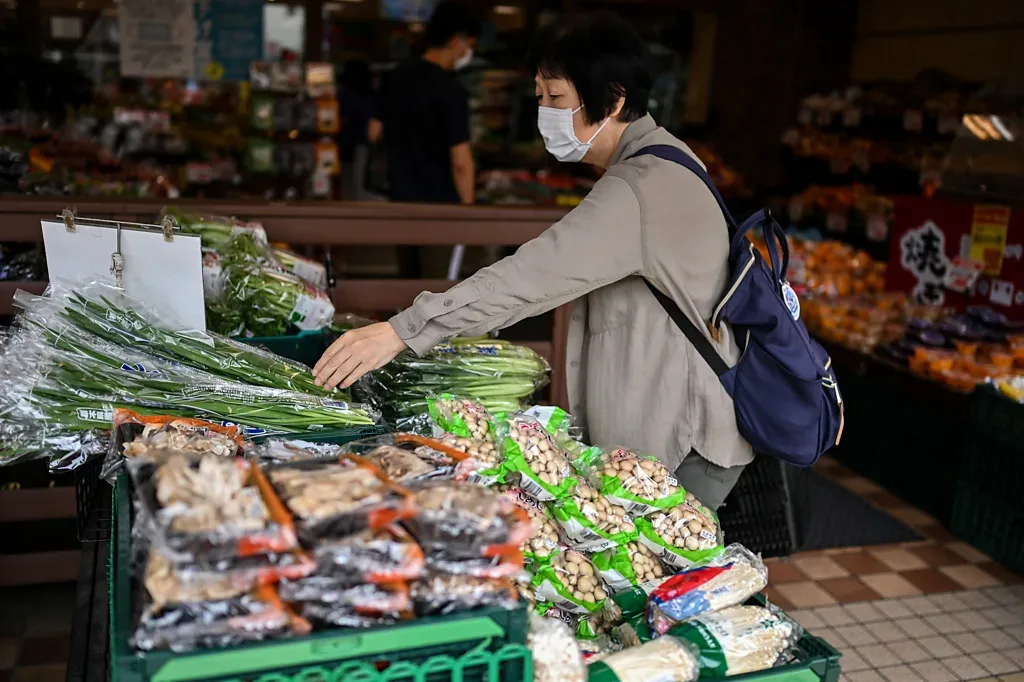
What’s Banned or Regulated: 12 Targeted Plastic Items
The 2022 law targets twelve categories of disposable plastic items frequently used in daily consumer life, especially in the foodservice and retail sectors:
| Regulated Category | Example Items |
|---|---|
| Cutlery | Forks, spoons, knives |
| Beverage accessories | Straws, stirrers |
| Personal care | Toothbrushes, razors, combs |
| Food containers & trays | Bento boxes, takeout meal trays |
| Hangers & clothing tools | Plastic hangers, garment clips |
| Hotel amenities | Shower caps, brushes |
Affected businesses—including convenience stores (konbini), fast-food chains, supermarkets, and hotels—are now required to either reduce the use of these plastics or shift to more sustainable materials, such as paper, wood, or certified bioplastics.
How This Impacts Takeaway and Convenience Food Culture
Japan’s culture of takeout and convenience meals is deeply ingrained. Bento boxes, salad bowls, soup cups, and side dish trays are part of daily life, sold across 24/7 convenience stores, train stations, and department store basements.
With the new regulations in place, the entire packaging approach for takeaway meals must change:
Plastic lids and trays must be lightweighted, recyclable, or switched to biodegradable alternatives
Free cutlery sets are discouraged or replaced with “on-request” models
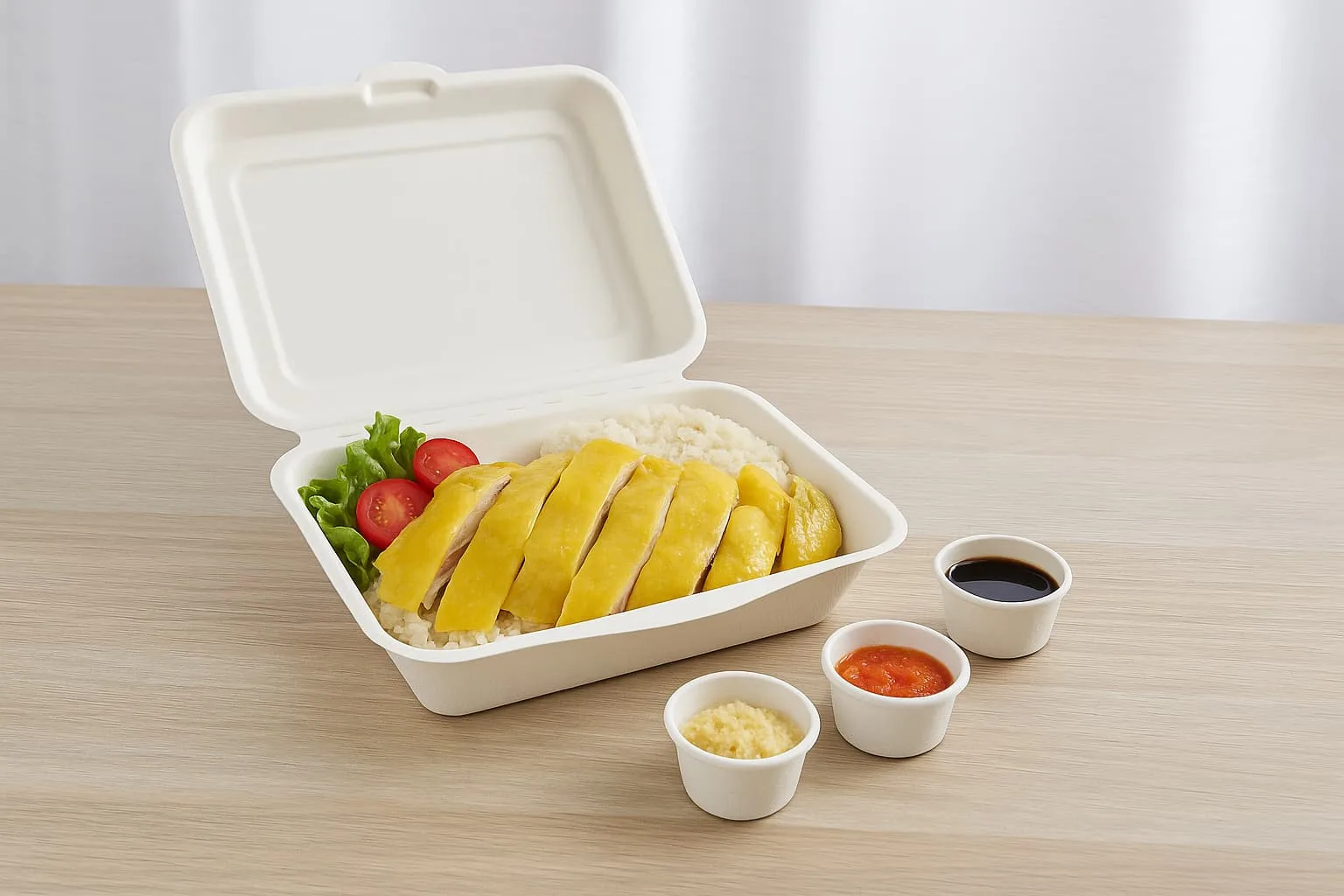
Many businesses are beginning to test fiber-based and sugarcane-derived containers that comply with compostability guidelines
What Counts as a Legal Alternative in Japan?
Under the Plastic Resource Circulation Law, it’s not enough to simply look “eco-friendly.” Packaging materials must:
Be demonstrably lighter, reusable, or designed for recyclability
Reduce environmental impact over the product lifecycle
Use compostable or plant-based materials that meet specific performance and safety standards
This is where sugarcane bagasse packaging shines.
✅ Bioleader® product soft insert:
Sugarcane bagasse containers from Bioleader® are fully compostable, free of PFAS or plastic coatings, and meet globally recognized standards such as EN13432 and ASTM D6400. They are heat-resistant, food-safe, and suitable for both dry and oily meals—making them ideal for Japan’s evolving packaging policies.
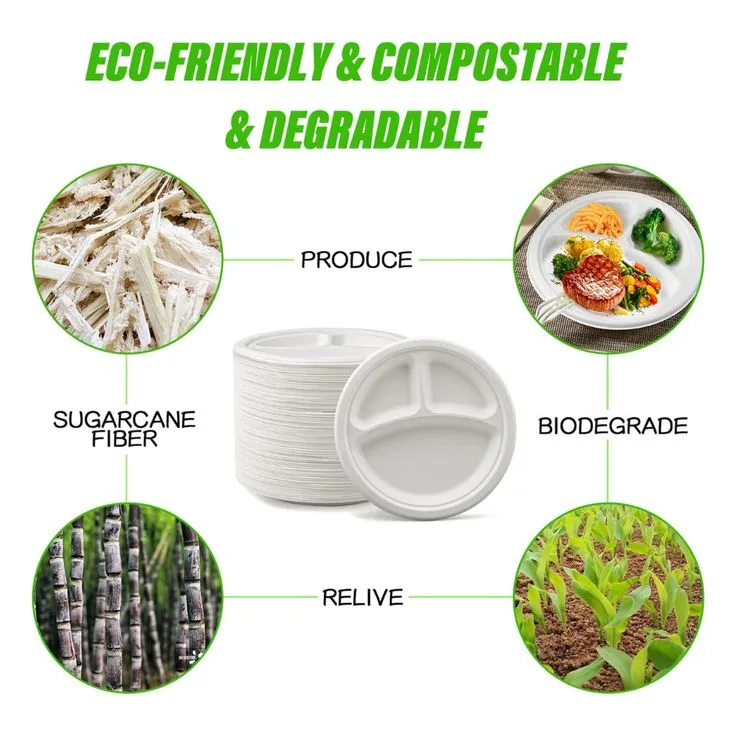
Bioleader® Solutions for Japan’s Foodservice Market
With over a decade of experience supplying certified compostable packaging to global markets, Bioleader® is well-positioned to support Japanese food businesses through this transition.
🌿 Product Lineup Highlights:
Bagasse Takeout Boxes
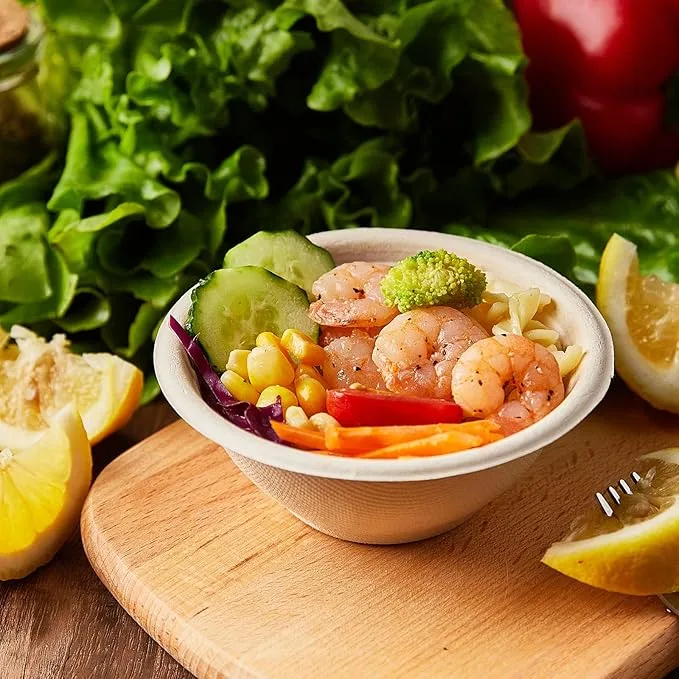
1–3 compartment trays for bento and rice bowls, microwaveable and stackable.Bagasse Bowls with Lids
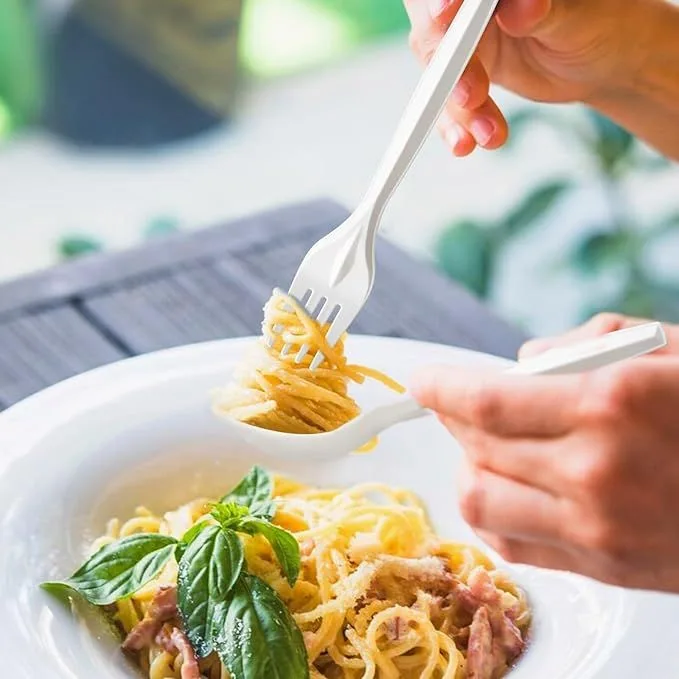
Perfect for curry, ramen, udon, or salads. Matching bagasse or PLA lids available.CPLA Cutlery Sets
High-heat resistant spoons, forks, knives, suitable for takeout and catering.Paper & PLA Straws
Durable options for cold drinks, smoothies, and milk tea.
|
|
📦 Commercial Advantages:
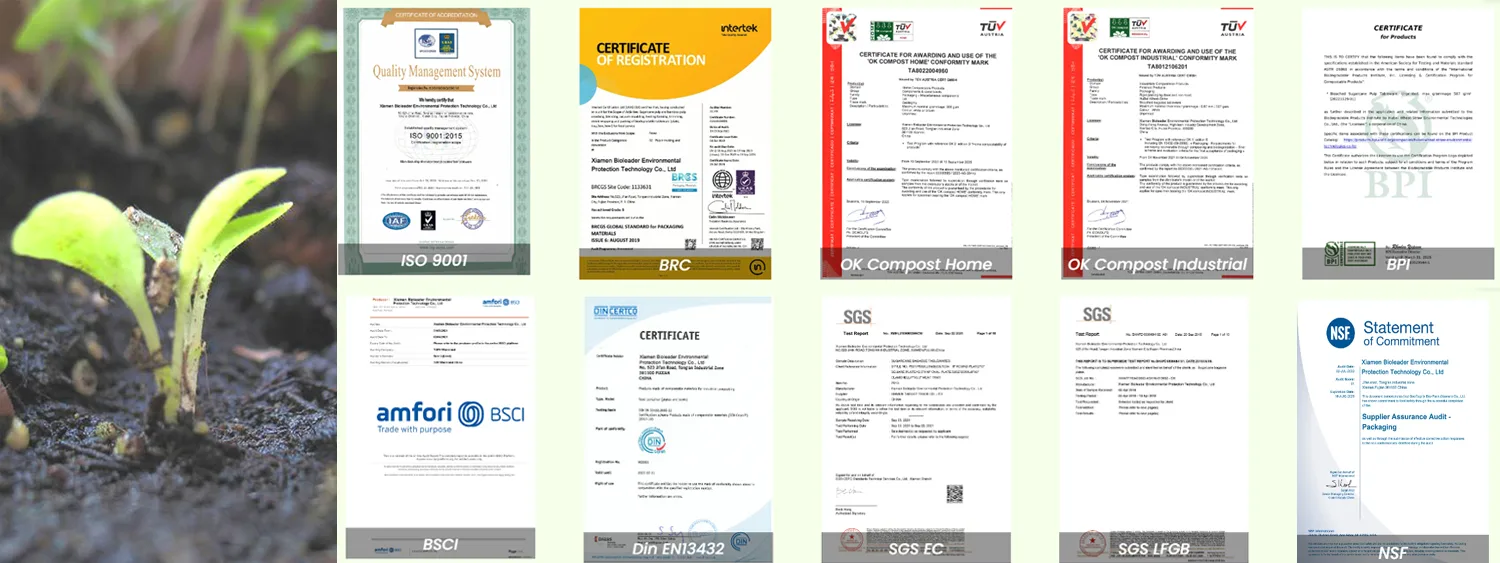
Certified under EN13432, ASTM D6400, TÜV Austria OK Compost
BPI and FDA food-contact compliant
Available for OEM/private labeling
Export documentation and Japanese-language product spec sheets
✅ Bioleader® brand positioning:
Whether you’re packaging tonkatsu in a grab-and-go box or miso soup in a to-go bowl, Bioleader® ensures your brand stays ahead—legally, visually, and ethically.
What Food Brands Should Do Now
With stricter packaging laws and growing public demand for green business practices, Japanese food brands and importers must act proactively.
Here’s what you can do:
Audit existing packaging lines
– Identify plastic-based items subject to regulationConsult certified suppliers
– Look for products with compostability proof (EN13432, ASTM D6400, etc.)Test performance before full adoption
– Trial-run heat resistance, stacking, sealing, and customer feedbackEducate staff and customers
– Use labeling, QR codes, and store signage to build awareness
Final Thoughts — Compliance Is Just the Beginning
Japan’s plastic reduction efforts reflect a growing global trend toward sustainable food packaging. But compliance isn’t just about avoiding penalties—it’s an opportunity to align with what modern consumers value: transparency, responsibility, and quality.
By switching to compostable sugarcane-based takeaway packaging, food brands in Japan can lead—not just follow—the sustainability movement.
🎯 Looking to make the switch? Bioleader® offers free samples, custom printing, and full export support to help your business stay ahead of Japan’s evolving plastic laws.
FAQs
1. What is Japan’s Plastic Resource Circulation Law?
This 2022 law mandates the reduction or redesign of 12 types of single-use plastic products, encouraging businesses to adopt recyclable or compostable alternatives.
2. Which disposable foodservice items are affected?
Items like plastic cutlery, straws, bento trays, takeout containers, and hotel amenities are regulated under this law and must be reduced, lightweighted, or replaced.
3. Are compostable sugarcane tableware products allowed in Japan?
Yes. Compostable bagasse containers certified under EN13432 or ASTM D6400 are acceptable alternatives, especially if PFAS-free and food-contact safe.
4. Can foreign suppliers export eco packaging to Japan?
Yes. Suppliers with internationally certified compostable packaging (e.g. Bioleader®) can export to Japan, provided documentation supports safety and compliance.
5. Do convenience stores need to stop offering free plastic cutlery?
Many are shifting to an “upon request” model or switching to biodegradable or fiber-based utensils to comply with the regulation.
6. Are microwave-safe biodegradable bowls available for Japanese bento use?
Absolutely. Brands like Bioleader® offer heat-resistant, microwave-safe bagasse bowls and trays designed for takeaway meals and bento applications.
7. How should Japanese foodservice brands prepare for compliance?
They should audit current packaging, test certified alternatives, and partner with experienced eco-packaging manufacturers for a smooth transition.
References
Ministry of the Environment, Japan
Plastic Resource Circulation Strategy (English Summary)
https://www.env.go.jp/en/headline/2580.htmlMETI (Ministry of Economy, Trade and Industry)
Guidelines for the Promotion of Plastic Resource Circulation
https://www.meti.go.jp/policy/recycle/plastic/NHK World-Japan
Japan Starts Restrictions on 12 Single-Use Plastic Products
https://www3.nhk.or.jp/nhkworld/en/news/20220401_20/Japan Times
Japan Enacts Law to Curb Single-Use Plastic Waste
Author: Tomoko Otake
https://www.japantimes.co.jp/news/2022/03/31/national/plastic-waste-law/Plastic Waste Management Institute (Japan)
Trends in Plastic Packaging Regulations in Japan
https://www.pwmi.or.jp/ei/index.htmlWikipedia
Plastic pollution in Japan
https://en.wikipedia.org/wiki/Plastic_pollution_in_JapanBioleader® Official Website
Compostable Packaging Solutions for Global Markets
https://www.bioleaderpack.com/