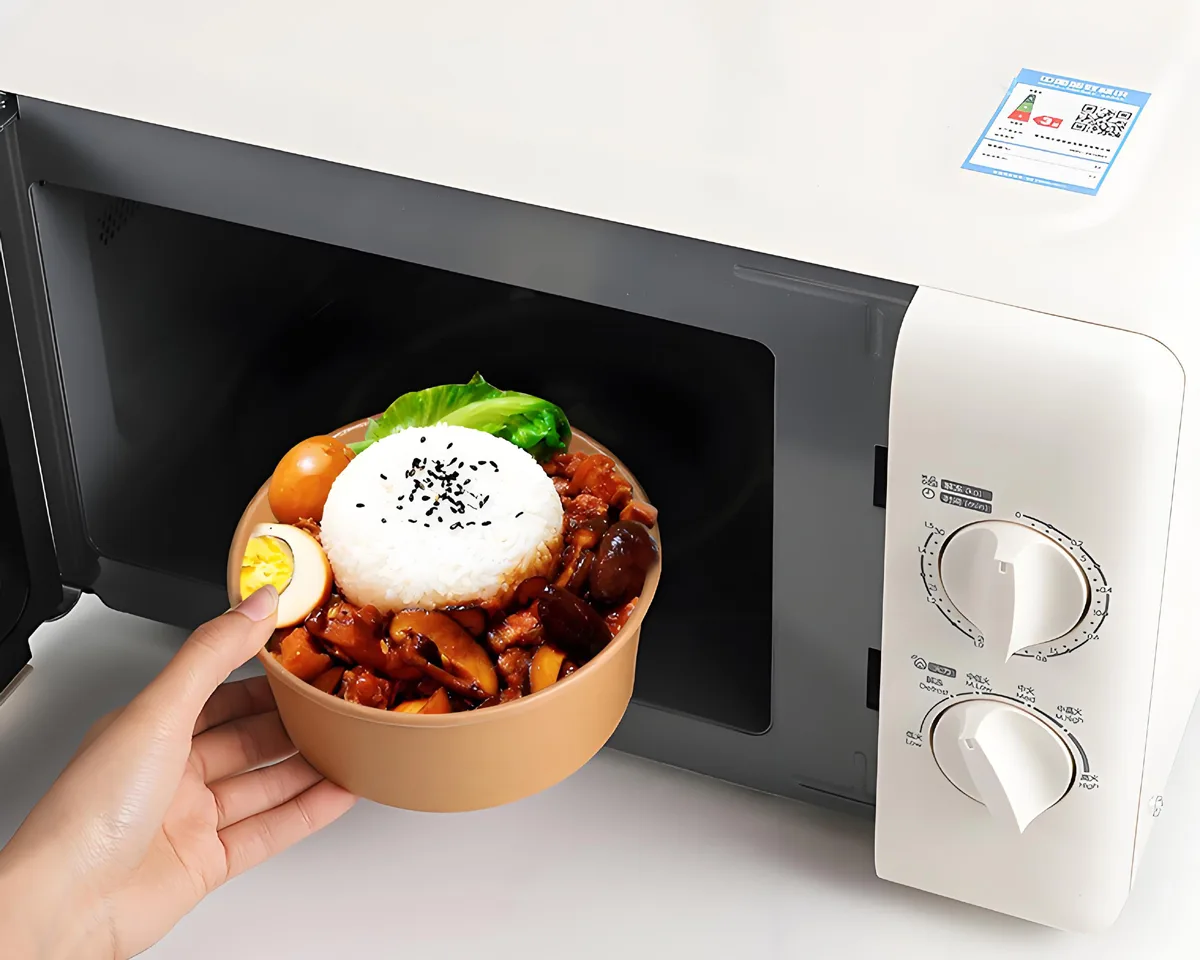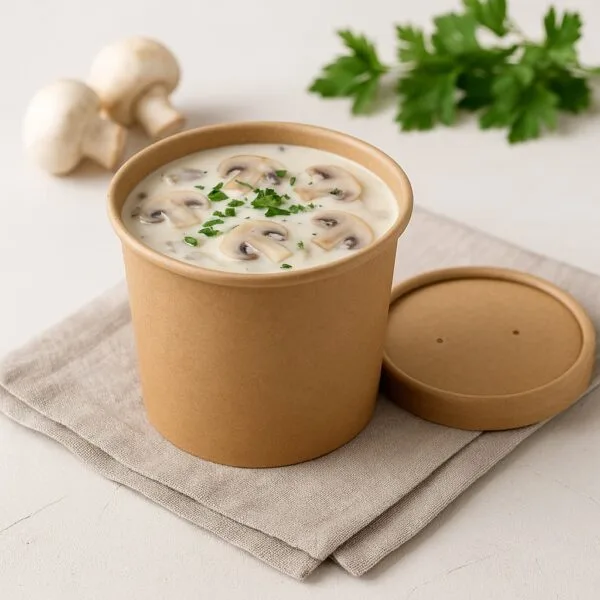










Disposable tableware has come a long way from flimsy plastic and foam. With growing environmental concerns and stricter regulations on single-use plastics, paper soup bowls—especially kraft paper soup bowls and biodegradable sugarcane (bagasse) bowls—are rapidly gaining favor. But when it comes to reheating your favorite brothy delights, a crucial question arises: is it OK to microwave paper bowls? In this comprehensive guide, we’ll explore every angle—from material science and safety to environmental impact, practical testing, buyer guidance, and real-world foodservice use scenarios—so you can heat, serve, and enjoy your soups with confidence.
Quick Answer: Is It OK to Microwave Paper Bowls?
Yes, but only when the bowl is labeled microwave-safe and used according to the manufacturer’s instructions. Paper bowls vary by material, liner, coating, thickness, ink, and lid design, so microwave safety should never be assumed from appearance alone.
Best practical choices: microwave-rated kraft paper soup bowls and bagasse sugarcane fiber bowls usually perform better for hot soup, takeaway meals, and short reheating cycles than thin PE- or PLA-lined single-wall bowls.
Buyer note: For B2B purchasing, request food-contact test reports, microwave-use guidance, lid compatibility data, and real food testing before bulk ordering paper soup bowls for hot meals.
1. The Paper Bowl Landscape: Materials & Formats
Before we tackle microwaving, let’s survey the main paper bowls for soup types on the market:
Single-Wall PE/PLA-Lined Paper Soup Bowls
Construction: One layer of paperboard lined with polyethylene (PE) or polylactic acid (PLA).
Strengths: Lightweight, cost-effective, excellent leak resistance.
Limitations: Poor insulation; PE lining is not home-compostable; PLA requires industrial composting.
Double-Wall / Insulated Paper Soup Bowls
Construction: Two layers of paperboard with an air gap for thermal insulation.
Strengths: Superior heat retention; comfortable grip without sleeves; sturdy feel—qualified as Heavy Duty Disposable Soup Bowls.
Limitations: Higher unit cost; bulkier storage.
Kraft Paper Soup Bowls
Construction: Unbleached kraft paperboard, often used with PE, PLA, water-based coating, or other food-safe barrier treatments depending on the application.
Strengths: Natural brown aesthetic; good heat presentation; strong branding value for soup, noodles, rice bowls, and takeaway meals.
Limitations: Microwave performance depends on coating, ink, lid design, and supplier testing.
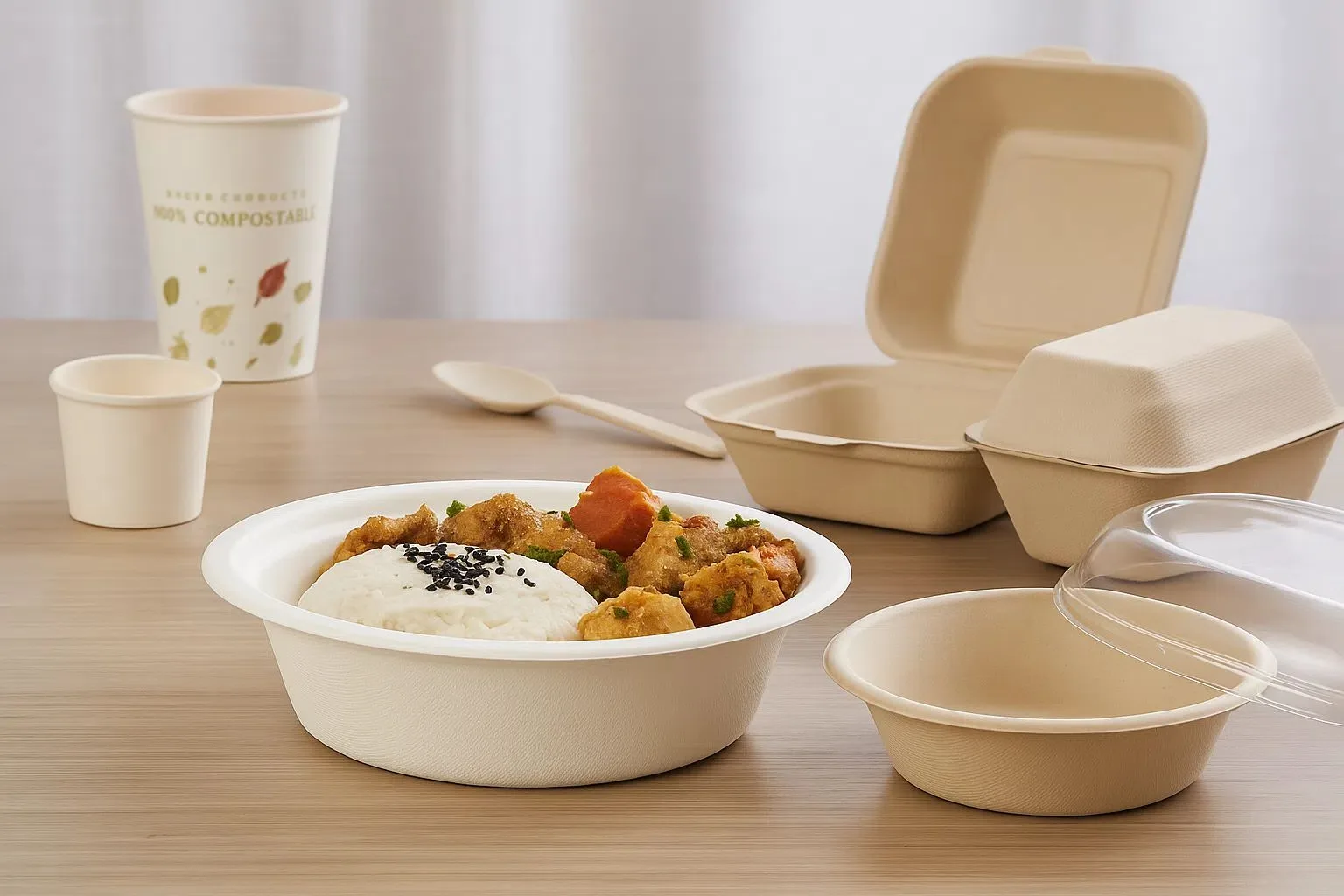
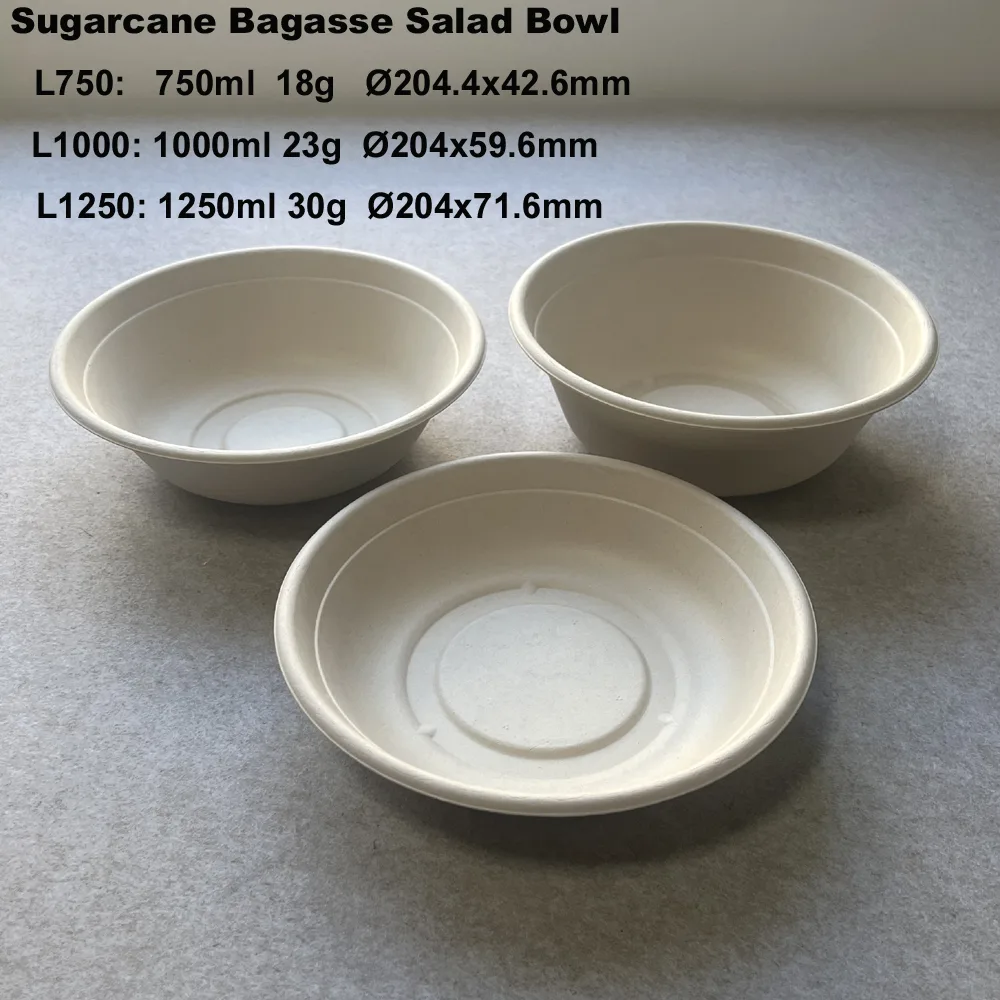
Bagasse (Sugarcane Fiber) Bowls
Construction: Molded sugarcane pulp, a byproduct of sugarcane processing.
Strengths: Rigid, natural fiber structure; strong heat tolerance when properly tested; suitable for many hot food, freezer, and takeaway applications.
Limitations: Heavier feel; performance varies by formula, PFAS status, coating treatment, and product thickness.
PLA-Coated Paper Bowls
Construction: Paperboard lined with corn-based PLA film.
Strengths: Clear interior finish; industrially compostable where accepted; decent grease barrier.
Limitations: PLA may soften under higher microwave heat; not usually home-compostable.
Paper Soup Bowls with Lids
Construction: Any of the above bowl types paired with matching flat or domed lids.
Strengths: Spill prevention; temperature retention during transport—ideal Disposable hot Soup Bowls.
Limitations: Additional cost; condensation buildup inside lid; lids should not be microwaved unless clearly rated for microwave use.
2. Microwave Safety: What Buyers Should Actually Check
Are All Paper Bowls Microwave-Safe?
Not all paper bowls are created equal. A paper bowl may look simple, but microwave safety depends on its paperboard, liner, coating, adhesive, ink, lid, and intended use. The safest rule is straightforward: use only bowls clearly marked as microwave-safe and follow the supplier’s heating instructions.
Barrier Material: PE-lined bowls, PLA-coated bowls, water-based coated bowls, and molded fiber bowls respond differently to microwave heat.
Bowl Thickness: Thicker paperboard, double-wall structures, and molded fiber designs usually resist softening better during short reheating cycles.
Additives & Printing: Heavy ink coverage, metallic decoration, unknown adhesives, or non-food-grade coatings should be avoided in microwave applications.
- Lid Design: Plastic lids, tight-sealing lids, and ventless lids should not be microwaved unless the supplier specifically confirms microwave use. Steam pressure must be released during reheating.
Government & Standards Guidance
FDA-related food contact safety: Food packaging materials and their components must be suitable for food-contact use. Microwave use should be verified by product labeling, supplier documentation, and intended-use testing.
EU food contact rules: For plastic liners or plastic-coated materials, migration safety matters, especially with hot, oily, or fatty foods.
Compostability certificates: BPI, TÜV, OK Compost, or EN13432-related documentation can support compostability claims, but they do not automatically prove microwave safety. For microwave use, always check manufacturer specifications.
Practical Microwave Suitability by Bowl Type
The table below summarizes practical microwave suitability for common soup bowl materials. It is intended as buyer guidance, not a substitute for item-specific testing or supplier documentation.
| Bowl Type | Microwave Suitability | Main Risk | Buyer Recommendation |
|---|---|---|---|
| Single-Wall PE-Lined | Limited, only if labeled | Liner softening or edge warping | Use short reheating cycles only; verify with supplier |
| Double-Wall Insulated | Good when certified | Steam buildup if covered tightly | Suitable for hot soup if microwave-rated and vented |
| Kraft Paper | Good when microwave-rated | Coating and ink variation | A strong choice for short reheating cycles |
| PLA-Coated | Use with caution | PLA may soften at higher heat | Better for warm food than aggressive reheating |
| Bagasse Sugarcane Fiber | Generally strong when certified | Formula and PFAS status vary | Excellent option for hot meals when food-contact and microwave tested |
Key Takeaway: Kraft paper soup bowls and bagasse bowls are often the strongest microwave candidates for hot soup and takeaway meals, but only when they are confirmed as microwave-safe by the manufacturer.
3. Why Kraft Paper & Bagasse Bowls Are Microwave Champions
Kraft Paper Soup Bowls
Material Strength: High-quality kraft paperboard resists softening better than thin single-wall paper when used for short reheating cycles.
Heat Tolerance: Microwave-rated kraft bowls can be suitable for hot soups, chili, stew, noodles, and grain bowls when used according to supplier guidance.
Grease Resistance: The actual resistance depends on liner type, coating, and paperboard structure; buyers should test with real soup and sauces.
End-of-Life: Unlined or water-based coated kraft bowls may support plastic-reduction goals, while PE- or PLA-lined versions require separate disposal consideration.

Biodegradable Sugarcane Bagasse Bowls
Fiber Integrity: Molded sugarcane fibers are formed under heat and pressure, giving bagasse bowls a rigid structure suitable for many hot food applications.
Microwave & Freezer Use: Many bagasse bowls are suitable for microwave reheating and freezer storage, but buyers should confirm the item-specific test report and use instructions.
Eco Credentials: Bagasse uses sugarcane fiber, an agricultural byproduct, and can support compostable packaging programs when certified and correctly collected.
Brand Story: Its natural fiber appearance helps restaurants and takeaway brands communicate a cleaner, more sustainable packaging image.
4. Environmental & Health Considerations
Chemical Migration & Food Safety
Plastic liners: PE or other plastic-based liners must be evaluated for food-contact suitability and intended heating conditions.
PLA liners: PLA-coated bowls are more suitable for compostability positioning, but they may soften under high microwave heat and require supplier guidance.
Fiber bowls: Kraft and bagasse bowls can reduce reliance on plastic liners, but buyers should still request food-contact test reports, microwave-use guidance, and coating information.
Life Cycle Analysis
The following comparison is a practical sourcing reference rather than a universal carbon calculation. Actual life-cycle impact depends on product weight, raw material source, production energy, transport distance, coating type, and end-of-life system.
| Bowl Type | CO₂-eq Per Bowl | Water Use |
|---|---|---|
| Kraft | Varies by paperboard weight | Depends on pulp source and coating |
| Bagasse | Often favorable when using agricultural residue | Depends on pulping and molding process |
| Plastic | Depends on resin type and weight | Usually fossil-resource dependent |
End-of-Life Pathways
| Method | Kraft | Bagasse | PE-Lined | PLA-Lined |
|---|---|---|---|---|
| Home Composting | Sometimes¹ | Product-dependent | No | Usually no |
| Industrial Composting | If accepted | If certified | No | If certified |
| Curbside Recycling | Sometimes¹ | No | Usually no | Usually no |
¹ Where local recycling or composting facilities accept lightly soiled paper or certified fiber packaging.
5. Expert Insights & Industry Trends
Across foodservice packaging, the strongest trend is not simply “paper instead of plastic.” Buyers are moving toward packaging systems that combine heat resistance, food-contact safety, lower plastic content, reliable lid fit, and clearer end-of-life communication.
Material Shift: Kraft paper and molded fiber bowls are becoming more attractive for hot soup, noodles, rice bowls, and takeaway meals because they offer a natural appearance and stronger sustainability story.
Regulatory Drivers: Restrictions on foam and single-use plastics are pushing restaurants and distributors to evaluate paper, bagasse, and compostable food packaging alternatives.
Procurement Focus: B2B buyers now pay closer attention to microwave labeling, PFAS status, food-contact testing, lid compatibility, carton packing, and supplier documentation.
6. Practical Testing: Validating Fiber Bowls Before Bulk Orders
Instead of relying on broad marketing claims, buyers should test microwave-rated paper soup bowls under real operating conditions. A reliable test should use the actual food, target serving temperature, reheating time, lid type, delivery time, and storage environment.
Thermal Retention:
Test whether the bowl keeps soup warm enough for takeaway and delivery without becoming too hot to hold.
Compare single-wall, double-wall, kraft, and bagasse structures using the same soup volume.
Leakage and Softening:
Check the base, sidewall, rim, and lid-fit area after microwave reheating and 30–60 minutes of holding.
Test oily soup, broth, chili, curry, and noodle soup separately because oil and salt can affect packaging performance.
End-of-Life Verification:
Confirm whether the product is recyclable, compostable, industrially compostable, home compostable, or only suitable for general waste in the target market.
7. Real-World Use Scenarios
Scenario A: Soup Chain Takeaway Upgrade
A soup restaurant chain switching from thin plastic or foam bowls to Bioleader’s kraft paper soup bowls would typically evaluate three factors: microwave reheating, lid fit, and customer handling experience.
Microwave Performance: Test short reheating cycles with broth-based soup, creamy soup, chili, and oily soup.
Delivery Stability: Check rim strength, lid fit, and leakage after transport.
Customer Experience: Evaluate grip comfort, heat retention, and appearance after reheating.
Scenario B: University or Corporate Dining
A university dining hall or office cafeteria replacing conventional bowls with Bioleader’s bagasse bowls would focus on durability, sorting instructions, microwave-use labeling, and waste-management compatibility.
Operational Fit: Bowls should stack well, separate easily, and hold hot meals without softening too quickly.
Foodservice Performance: Test with soup, rice bowls, pasta, curry, and salad meals.
Sustainability Communication: Clear disposal instructions help users understand whether the bowl should be composted, recycled, or discarded according to local systems.
8. Best Practices for Microwave Use
Check Labeling: Only microwave bowls labeled “microwave safe.”
Avoid Overheating: Heat in short intervals, usually 1–2 minutes at a time, stirring between cycles.
Use Covers Carefully: Paper soup bowls with lids trap steam and heat more evenly, but lids should be vented or removed unless confirmed microwave-safe.
Monitor Temperature: Allow a brief standing time to even out heat distribution.
Inspect Bowls: Discard any bowl with visible damage, softening, leakage, odor, or warping before use.
FAQ
1. Are all paper bowls safe to microwave?
Not all paper bowls are microwave-safe. Only bowls labeled as microwave-safe and suitable for food heating should be used in the microwave.
2. How long can you safely microwave a paper bowl?
For most microwave-safe paper bowls, short heating cycles are recommended. A practical approach is 1–2 minutes at a time, with stirring and checking between cycles. Follow the manufacturer’s instructions for each product.
3. Can you microwave soup in a paper bowl?
Yes, if the bowl is microwave-safe and suitable for hot liquid foods. Do not seal the lid tightly during reheating, because steam pressure needs to escape.
4. What happens if you microwave a non-microwave-safe paper bowl?
A non-microwave-safe bowl may soften, leak, warp, release unwanted substances, or become a fire risk if overheated. Always check labeling and supplier documentation before microwave use.
5. Are compostable paper bowls microwave-safe?
Some compostable bowls, such as selected bagasse bowls or certified paper bowls, may be microwave-safe. Compostability certification alone does not guarantee microwave safety, so buyers should confirm item-specific microwave guidance.
6. Can you microwave paper soup bowls with lids?
Only microwave the lid if the supplier clearly states that it is microwave-safe. In many cases, lids should be loosened, vented, or removed before reheating.
Conclusion
Is it OK to microwave paper bowls? Yes—provided you choose kraft paper soup bowls or biodegradable sugarcane (bagasse) bowls that are clearly verified for microwave use. Material alone is not enough; buyers should also check coating type, lid design, food-contact testing, PFAS status, and supplier microwave-use guidance.
For hot soup, takeaway meals, and delivery applications, microwave-rated kraft and bagasse bowls can offer strong heat retention, reliable structure, and a more sustainable brand image. That is why they are increasingly considered among the best paper bowls for hot soup in today’s foodservice packaging market.
References
U.S. Food and Drug Administration. Food Packaging & Other Substances that Come in Contact with Food.
USDA Food Safety and Inspection Service. Cooking with Microwave Ovens.
European Commission. Regulation (EU) No 10/2011 on plastic materials and articles intended to come into contact with food.
ASTM International. Standards related to compostable plastics and food packaging testing.
Bioleader®. Paper soup bowls, kraft paper bowls, bagasse bowls, food contact testing, and product-use documentation.