










Quick Summary: Molasses vs. Bagasse
The sugarcane industry produces several valuable byproducts. Two of the most important are molasses and bagasse, but they are very different in physical form, composition, industrial use, and commercial value.
- Molasses is a thick, dark, sugar-rich liquid mainly used in animal feed, fermentation, ethanol production, food processing, yeast production, and bio-based chemical applications.
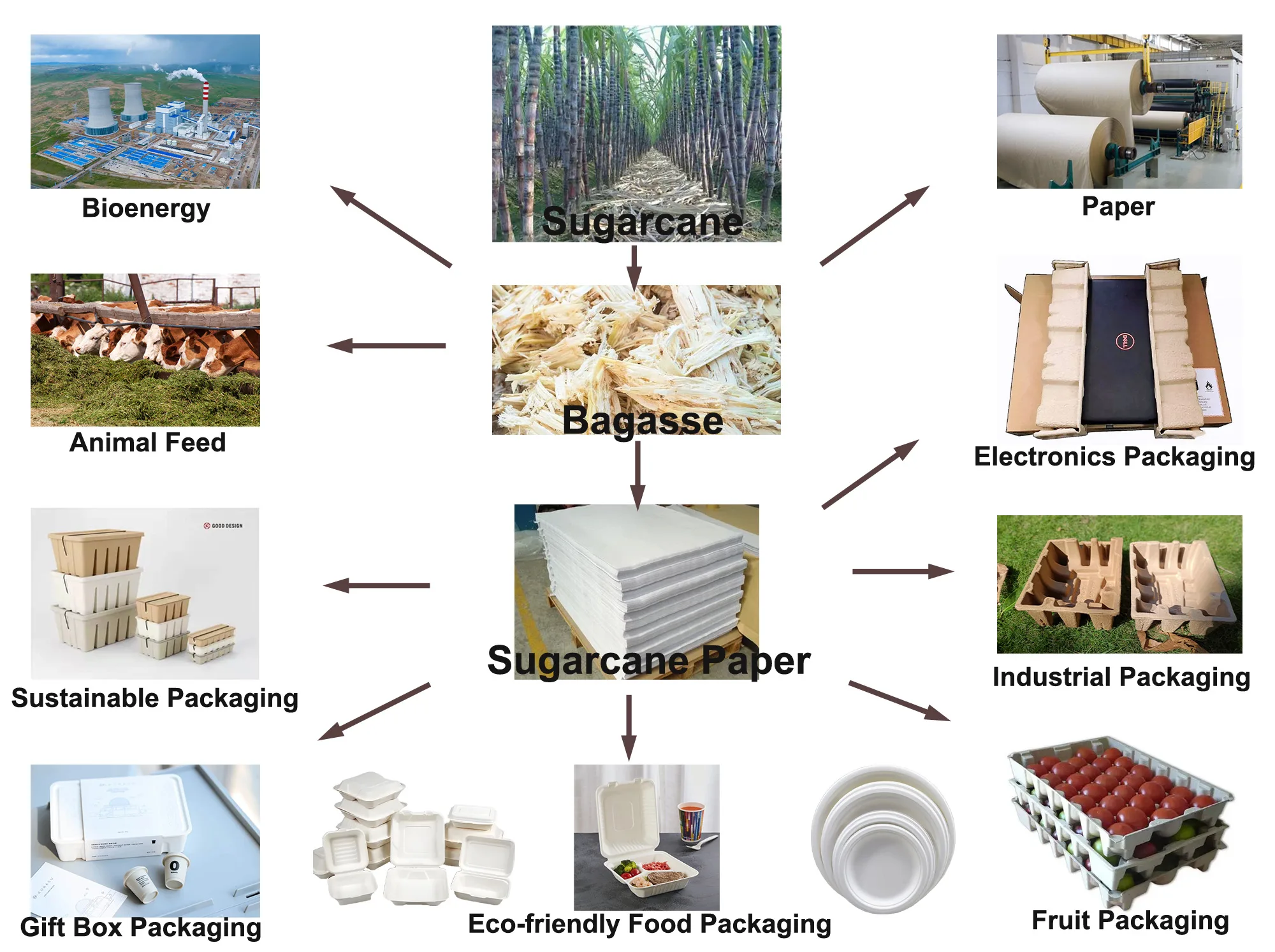
- Bagasse is the dry fibrous residue left after sugarcane juice extraction. It is mainly used for biomass energy, paper production, molded fiber packaging, construction boards, composting, and sugarcane bagasse tableware.
- For food packaging buyers, bagasse is the more relevant material because it can be molded into plates, bowls, clamshell boxes, trays, and takeaway food containers.
In this blog, we will explore the fundamental differences between molasses and bagasse, their compositions, applications, and environmental impacts. We will also explain why bagasse has become especially important for sustainable food packaging and molded fiber tableware.
Buyer Note
Bioleader® does not position this page as a molasses supply page. This guide explains the difference between molasses and bagasse so food packaging buyers can understand why sugarcane bagasse is widely used for molded fiber tableware, takeaway containers, bowls, plates, trays, and sustainable food packaging.
What is Molasses?
Molasses is a thick, viscous liquid that remains after sugarcane or sugar beet juice is processed into sugar. It contains residual sugars, organic compounds, and essential minerals such as calcium, potassium, magnesium, and iron. Because of its high sugar content, molasses is widely used in food, fermentation, animal feed, ethanol production, and agriculture.
Key Characteristics of Molasses
- Physical Form: A dark, syrup-like liquid.
- Composition: Residual sugars, organic acids, minerals, vitamins, and trace compounds.
- Taste: Sweet, strong, and slightly bitter because of concentrated sugar-processing residues.
- Main Uses: Animal feed, ethanol production, fermentation, rum, yeast production, biofuels, and selected food ingredients.
Industrial and Commercial Uses of Molasses
- Animal Feed: Molasses is commonly used as a feed additive for livestock. It provides energy, improves palatability, and helps farmers mix dry feed more effectively. It is often used in cattle, poultry, and other animal nutrition programs.
- Ethanol and Biofuel Production: One of the most important industrial applications of molasses is ethanol production. Through fermentation, microorganisms convert the sugars in molasses into alcohol, which can be used in biofuel production, industrial alcohol, and beverages such as rum.
- Food Industry: In the food industry, molasses is used in baking, confectionery, syrups, sauces, and flavoring applications. It adds a distinctive caramelized flavor and dark color to products such as bread, cookies, and cakes.
- Fermentation and Yeast Production: Molasses serves as a practical raw material for yeast fermentation because yeast can efficiently metabolize its sugar content. This makes molasses useful in bread-making, alcohol production, and certain bio-based manufacturing processes.
Molasses Industry Trends
Demand for molasses is supported by several industries, including feed, fermentation, bioethanol, food processing, and bio-based chemical production. However, molasses markets can be affected by sugar production levels, regional crop output, logistics costs, and demand from ethanol and livestock feed sectors.
From a sustainability perspective, molasses is valuable because it turns a sugar-processing byproduct into useful industrial input. However, because it is a high-organic liquid, improper handling or wastewater discharge can create environmental problems. Responsible processing, storage, and use are therefore important.

What is Bagasse?
Bagasse is the fibrous residue left after sugarcane stalks are crushed to extract juice. Unlike molasses, which is a liquid, bagasse is a dry, fibrous material mainly composed of cellulose, hemicellulose, and lignin. It is widely used as a biomass fuel, as a raw material for biodegradable packaging, and in paper production.
Key Characteristics of Bagasse
- Physical Form: Dry, pulpy, fibrous plant material.
- Composition: Mainly cellulose, hemicellulose, lignin, and residual plant fibers.
- Energy Content: Useful calorific value, which allows it to be used as biomass fuel in sugar mills and power generation.
- Main Uses: Biofuel, paper production, molded pulp packaging, bagasse food containers, bagasse plates, bowls, trays, and electricity generation.

Industrial and Commercial Uses of Bagasse
- Renewable Energy and Biofuel: One of the most common uses of bagasse is power generation. Many sugar mills burn bagasse in boilers to produce steam and electricity. This helps reduce dependence on fossil fuels and allows sugar mills to use their own biomass residue more efficiently.
- Paper and Packaging Industry: Bagasse is widely used in the paper and packaging industry as an alternative fiber source to wood pulp. It can be converted into paper, molded pulp trays, disposable tableware, and biodegradable food containers. With increasing demand for sustainable packaging, bagasse-based products are becoming important alternatives to conventional plastic packaging.
- Construction Materials: Bagasse fiber can be processed into particle boards, insulation boards, ceiling panels, and furniture-related materials. These applications depend on fiber processing, resin systems, density, and product performance requirements.
- Compost and Animal Bedding: Bagasse can also be used as compost feedstock, soil conditioner, or animal bedding when properly processed. For finished food packaging products, compostability depends on product design, thickness, coating, additives, and certification scope.
Bagasse Industry Trends
Bagasse is gaining importance as industries seek renewable fiber materials and lower-waste production models. Its role is especially strong in three areas: biomass energy, paper and molded fiber production, and sustainable food packaging.
For foodservice packaging, demand for bagasse tableware continues to grow because restaurants, distributors, supermarkets, catering companies, and takeaway brands are looking for practical alternatives to conventional plastic containers.

Molasses vs. Bagasse: A Quick Comparison
| Feature | Molasses | Bagasse |
|---|---|---|
| Source | Byproduct of sugar extraction from sugarcane or sugar beets. | Fibrous residue left after sugarcane stalks are crushed to extract juice. |
| Physical Form | Thick, viscous, dark-colored liquid. | Dry, fibrous, pulpy biomass. |
| Composition | Residual sugars, minerals, vitamins, organic acids, and other soluble compounds. | Mainly cellulose, hemicellulose, lignin, and plant fiber. |
| Main Uses | Animal feed, fermentation, ethanol, rum, yeast production, and food ingredients. | Biofuel, paper production, molded fiber packaging, compostable tableware, and electricity generation. |
| Energy Value | High energy value because of sugar content; useful for fermentation and animal nutrition. | Useful calorific value as biomass fuel for boilers and power generation. |
| Packaging Relevance | Not normally used as a food packaging material. | Highly relevant for molded fiber food packaging, plates, bowls, trays, clamshells, and takeaway containers. |
| Environmental Consideration | Can create wastewater challenges if not properly managed, but supports feed and fermentation reuse. | Can reduce waste by converting sugarcane fiber into energy, paper, and sustainable packaging materials. |
Why Bagasse Matters for Sustainable Food Packaging
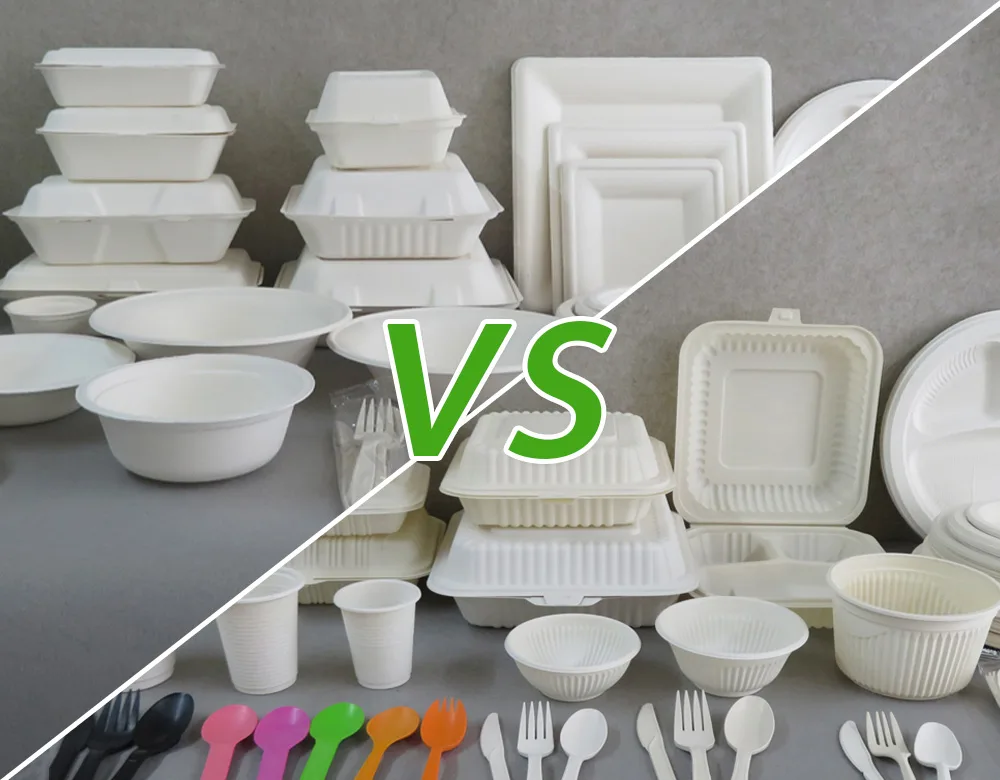
For foodservice packaging buyers, bagasse is more commercially relevant than molasses because it can be converted into molded fiber products such as clamshell boxes, food containers, trays, bowls, and plates. These products are widely used for takeaway meals, restaurants, catering, schools, supermarkets, food delivery, and institutional dining.
Compared with conventional plastic packaging, sugarcane bagasse packaging offers a plant-fiber structure, good rigidity, practical heat and oil resistance, and potential compostability when supported by product-specific testing and documentation. It also helps upcycle agricultural fiber that would otherwise be treated as low-value residue or used only as fuel.
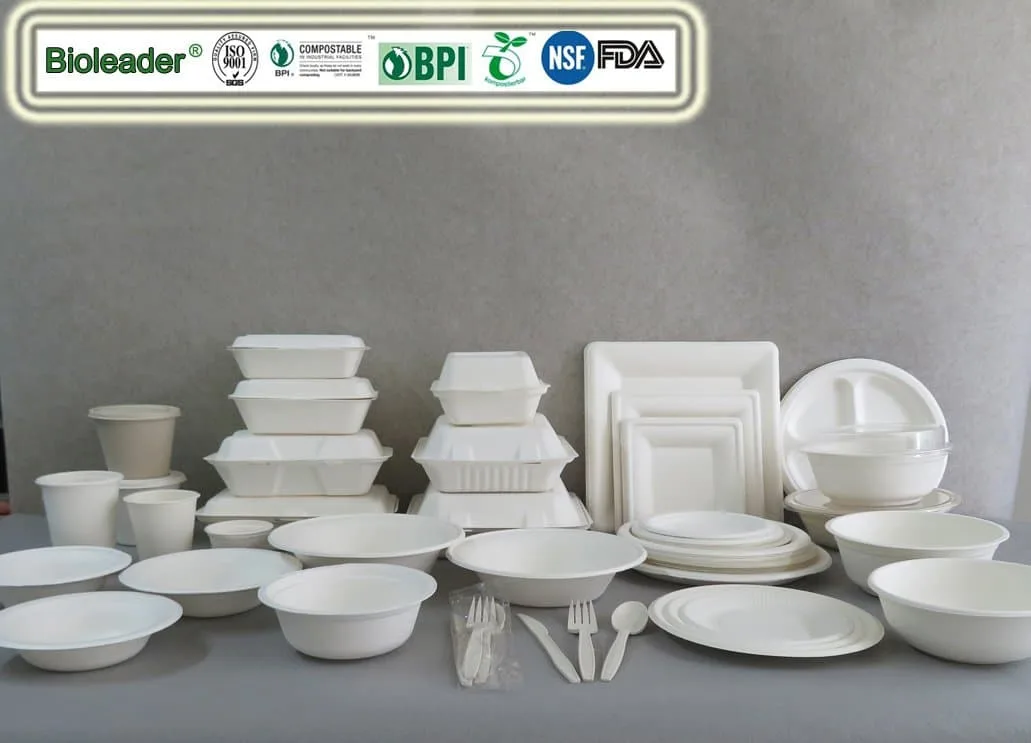
Bioleader® supplies sugarcane bagasse tableware across common foodservice applications, including bagasse clamshell boxes, bagasse food containers, bagasse bowls, bagasse plates, and bagasse trays.
Buyer Takeaway
Molasses is valuable in fermentation, feed, and biofuel supply chains. Bagasse is the sugarcane byproduct that matters most for sustainable food packaging because it can be molded into practical, export-ready foodservice products.
Environmental Impact and Sustainability
Both molasses and bagasse contribute to sustainability and waste reduction in the sugarcane industry. However, their environmental impacts differ because they follow very different material pathways.
- Molasses Waste Management: If not properly processed, molasses can contribute to wastewater pollution because of its high organic content. However, its use in ethanol production, yeast fermentation, animal feed, and bio-based processes helps reduce waste and improve byproduct value.
- Bagasse as a Sustainable Alternative: Bagasse can reduce reliance on wood pulp and fossil-based packaging materials when used for paper and molded fiber packaging. It can also support renewable energy generation when used as biomass fuel in sugar mills.
- End-of-Life Considerations: Bagasse-based food packaging should not be described with broad or unsupported claims. Compostability depends on the exact finished product, coating, thickness, additives, certification scope, and local composting conditions.
Which One is More Sustainable?
Both byproducts can support sustainability when managed responsibly. Molasses is valuable because it turns a sugar-rich processing stream into useful feed, fermentation, and biofuel inputs. Bagasse plays a broader role in renewable energy and material substitution because it can replace some wood-pulp, plastic, and fossil-based packaging applications.
For Bioleader® and food packaging buyers, bagasse is the more strategically important material because it can be transformed into molded fiber packaging that directly supports restaurants, distributors, and takeaway foodservice brands. Buyers comparing different packaging materials can also review Bioleader®’s sustainable packaging material sourcing guide for a broader material comparison.
Buyer Checklist: Choosing Sugarcane Byproduct-Based Materials
When evaluating sugarcane byproducts for industrial or packaging applications, buyers should match the material to the real use case instead of choosing by sustainability label alone.
- Application: Molasses is suitable for feed, fermentation, ethanol, food processing, and biochemical production. Bagasse is suitable for biomass energy, paper, molded fiber packaging, and compostable tableware.
- Material Form: Molasses is a liquid and requires tanks, handling systems, and fermentation or processing infrastructure. Bagasse is a fiber and requires pulping, molding, drying, or biomass combustion systems.
- Compliance: Food-contact packaging made from bagasse should be supported by product specifications, food-contact test reports, PFAS-related documentation where relevant, and compostability certificates when claims are used.
- End-of-Life Route: Bagasse packaging should be matched with realistic disposal routes such as composting, controlled waste collection, or local foodservice waste programs. Compostability should not be assumed without documentation.
- Packaging Performance: For foodservice use, test the exact bagasse product with the intended food type, oil content, filling temperature, lid fit, delivery time, and storage conditions.
Conclusion
Molasses and bagasse are valuable byproducts of the sugarcane industry, each with unique properties and industrial uses. Molasses is primarily used in fermentation, animal feed, ethanol production, yeast production, and the food industry. Bagasse is a significant biomass fuel, paper-making fiber, raw material for molded fiber packaging, and resource for sustainable foodservice tableware.
Both materials contribute to waste reduction and circular use of sugarcane resources. However, bagasse has a broader impact for packaging because it can replace certain plastic and wood-pulp-based applications in plates, bowls, trays, clamshells, and takeaway food containers.
For importers, distributors, restaurant chains, catering companies, and foodservice brands, Bioleader® provides sugarcane bagasse packaging solutions that help connect agricultural byproduct utilization with practical food packaging performance.
FAQ: Molasses vs. Bagasse
What is the main difference between molasses and bagasse?
Molasses is a thick liquid byproduct from sugar extraction, while bagasse is the fibrous residue left after sugarcane juice is extracted. Molasses is mainly used in fermentation, animal feed, ethanol, and food applications. Bagasse is mainly used for biomass energy, paper, molded fiber packaging, and compostable foodservice products.
Is molasses used for food packaging?
No. Molasses is a sugar-rich liquid used in food, feed, fermentation, and biofuel production. Bagasse, not molasses, is the sugarcane byproduct commonly used to make molded fiber food packaging such as plates, bowls, trays, and clamshell containers.
Is bagasse biodegradable and compostable?
Sugarcane bagasse fiber is plant-based and can be suitable for compostable molded fiber products. However, compostability depends on the finished product, thickness, coating, additives, certification scope, and composting conditions. Buyers should verify product-specific certificates and test reports.
Which industries use molasses?
Molasses is used in animal feed, ethanol production, rum and yeast fermentation, baking, confectionery, and some bio-based chemical applications.
Which industries use bagasse?
Bagasse is used in biomass energy, paper production, molded fiber packaging, compostable foodservice tableware, construction boards, animal bedding, and agricultural applications.
Why is bagasse important for sustainable packaging?
Bagasse is important because it upcycles sugarcane fiber into useful packaging materials. It can reduce reliance on conventional plastic and some wood-pulp resources when used in molded fiber tableware and takeaway food packaging.
Bioleader® Sugarcane Bagasse Packaging Solutions
For foodservice buyers, Bioleader® offers sugarcane bagasse packaging solutions for hot meals, takeaway food, catering, restaurants, supermarkets, schools, and delivery platforms. Product lines include bagasse clamshell boxes, food containers, bowls, plates, trays, and other molded fiber packaging formats.
Buyers can compare product sizes, lid options, PFAS-free requirements, food-contact documentation, compostability support, loading plans, and custom packaging needs before confirming bulk orders.
Source List
- “Utilization of Molasses and Sugar Cane Bagasse for Production of Invertase Using Xerophilic Aspergillus niger GH1”
Authors: M. Aguilar, G. Rodríguez, C. Gutiérrez-Sánchez, et al. - “Molasses Global Market Report 2025”
Author: The Business Research Company - “Molasses Market Size Report, 2021-2026”
Author: IndustryARC - “Sorbitol Production from Mixtures of Molasses and Sugarcane Bagasse Hydrolysate Using Thermally Adapted Zymomonas mobilis ZM AD41”
Authors: M. Aguilar, G. Rodríguez, C. Gutiérrez-Sánchez, et al. - “Use of Sugarcane Industrial By-products for Improving Sugarcane Productivity and Soil Health”
Authors: S. Yadav, S. Solomon, R. P. Singh, et al. - “Global Molasses Market Size & Outlook, 2022-2030”
Author: Grand View Research - “Alternative Uses of Sugarcane and Its By-products in Agroindustries”
Author: Food and Agriculture Organization (FAO) - “Recent Trends on Techno-economic Assessment (TEA) of Sugarcane Bagasse Biorefineries”
Authors: M. Dias, O. Cavalett, F. Maciel Filho, et al. - “Molasses as a New Additive in Papermaking: For Bagasse and Kaolin Filled Bagasse Pulps”
Authors: M. A. Nada, M. A. El-Sakhawy, M. A. Kamel, et al. - “Integrating Sugarcane Molasses into Sequential Cellulosic Biofuel Processes to Improve Fermentation Efficiency and Sustainability”
Authors: Y. Zhang, S. Yan, Y. Tyagi, et al.

One Response
I finally understand the difference between molasses and bagasse—super clear.