









Why Manufacturer Choice Matters More Than Ever
In 2025, the global push toward eliminating single-use plastics has transformed packaging from a commodity into a strategic asset. Governments from the European Union to Southeast Asia are implementing bans on EPS foam, plastic cutlery, and non-compostable containers. These changes directly affect food chains, takeout platforms, retailers, and hospitality operators.
For B2B buyers, this regulatory shift brings both risk and opportunity. Selecting the right manufacturer is no longer about simply sourcing cheap packaging—it’s about securing scalable, compliant, and sustainable solutions. The manufacturer you choose becomes your partner in innovation, compliance, and brand reputation.
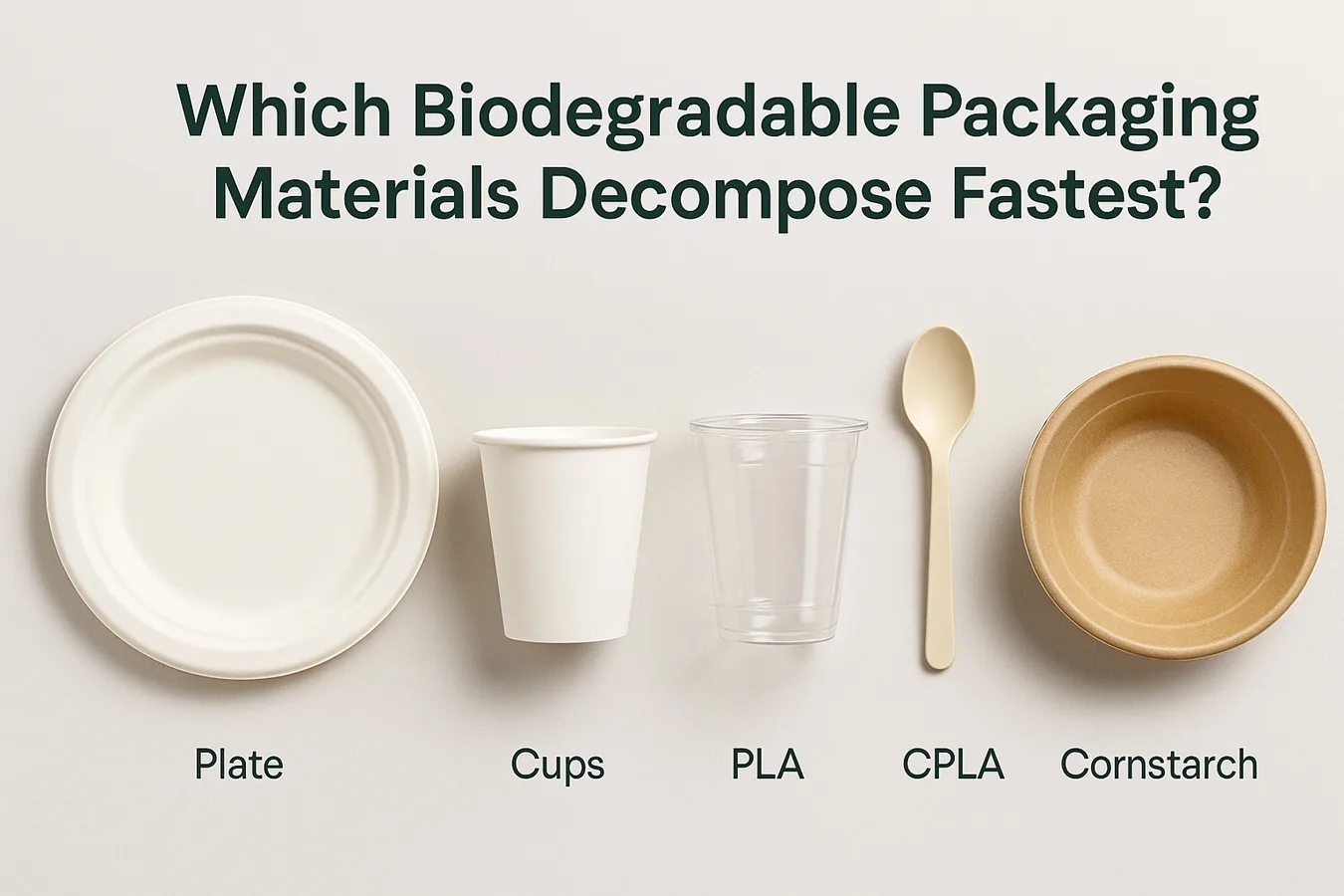
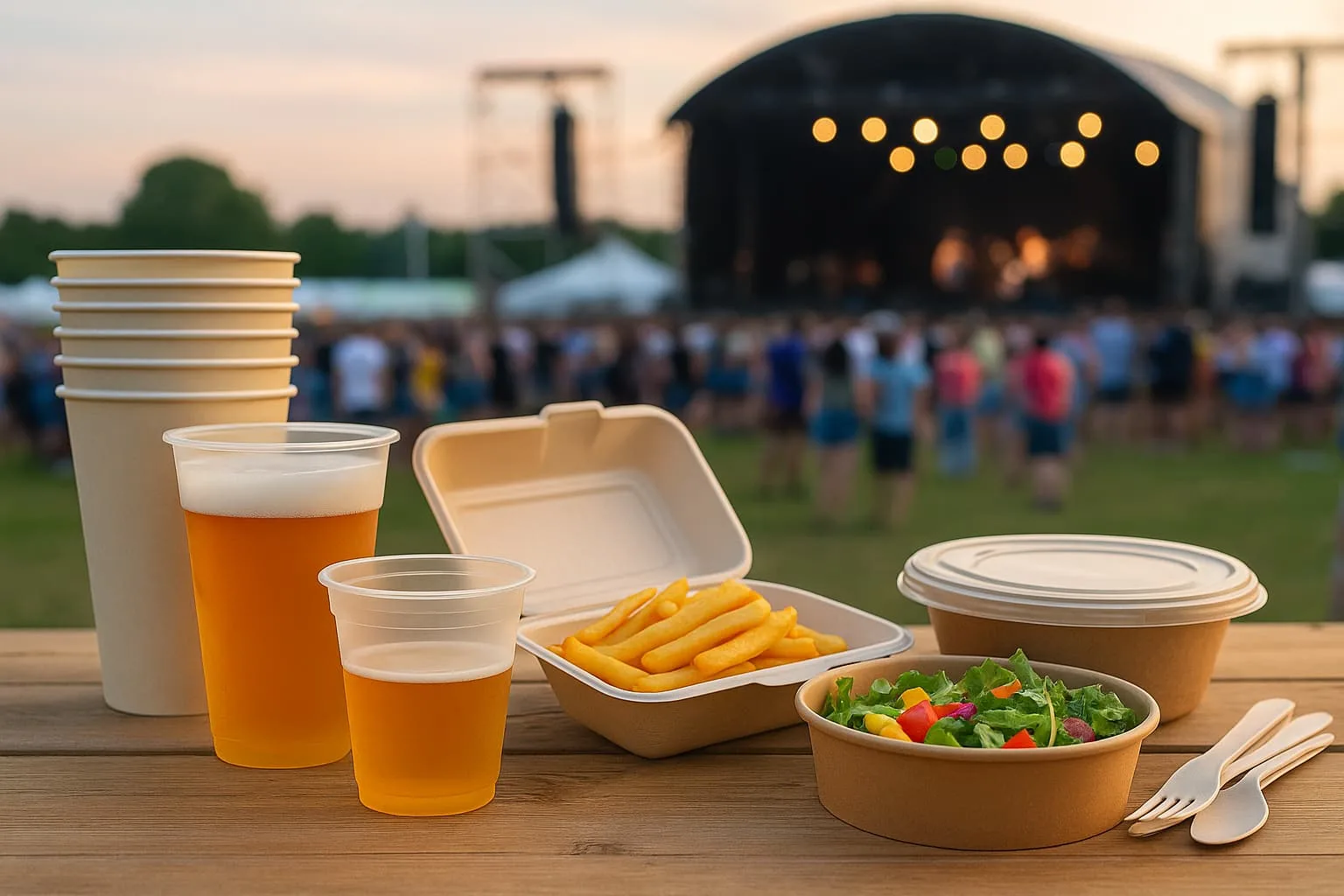
Well-designed, eco-friendly packaging made from compostable materials like bagasse, PLA, cornstarch, or kraft paper not only ensures compliance but also enhances consumer trust. It signals your brand’s alignment with environmental responsibility and long-term market relevance.

Common Mistakes When Choosing Eco Packaging Suppliers
Despite the market maturity in 2025, businesses still make costly errors when switching to biodegradable packaging. Avoid these common pitfalls:
❌ Mistake 1: Prioritizing Low Cost Over Compliance
Suppliers offering ultra-low prices often compromise on quality or skip certification processes. This may result in subpar packaging that leaks, warps under heat, or fails to decompose as advertised—damaging both your brand and compliance status.
❌ Mistake 2: Ignoring Certifications
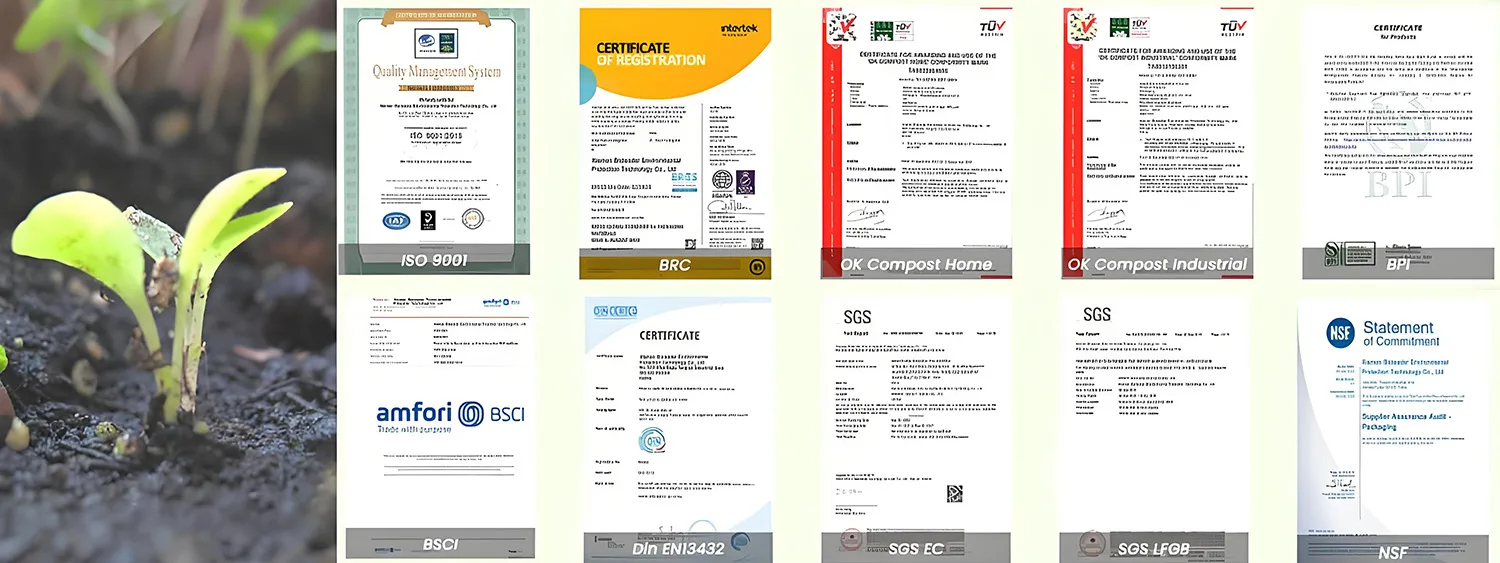
Regulatory authorities increasingly demand certified proof of compostability and food safety. Skipping certification checks (e.g., EN13432, ASTM D6400, BPI, OK Compost) can lead to product seizures at customs or fines in local markets.
❌ Mistake 3: Overlooking Production & Shipping Readiness
Lead time delays, unscalable capacity, or inexperienced export handling can jeopardize your supply chain. A reputable manufacturer should offer predictable delivery schedules and strong logistics support.
✅ How to Audit a Supplier (Checklist)
- Do they provide full certification sets with batch traceability?
- Can they show recent third-party audit reports?
- What is their average production lead time?
- Do they have experience with your destination market (e.g., EU, US)?
- Is their MOQ reasonable for your pilot rollout?
6 Key Factors to Evaluate an Eco Packaging Manufacturer
1. Material Expertise and Product Portfolio
A strong supplier offers diverse material options:
- Bagasse: Heat-safe, oil-resistant, microwaveable—ideal for bowls, trays, and clamshells.
- PLA: Transparent cold drink cups and PLA-lined paper cups.
- Cornstarch: Durable cutlery, strong bowls.
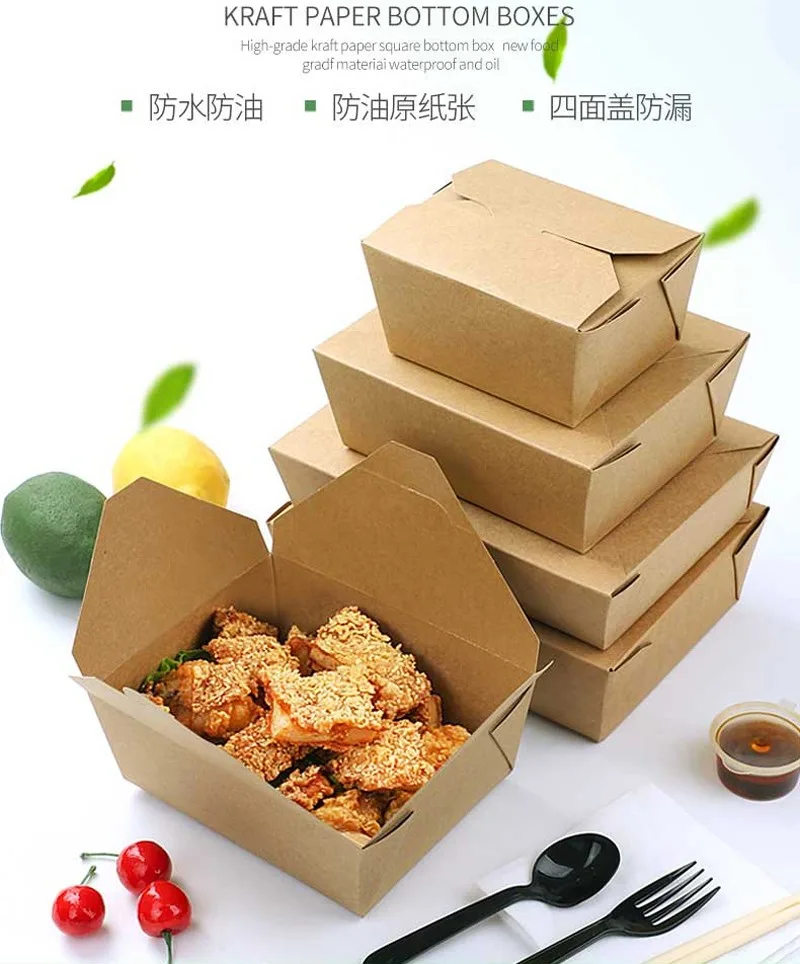
- Kraft Paper: Custom-branded food sleeves, soup containers, and salad boxes.
More importantly, the manufacturer should align products with your industry segment—be it foodservice, airline catering, QSR chains, or retail packaging.
2. Certifications and Quality Control
Compostable packaging must be verifiably safe and compost-ready. Look for:
- EN13432 (EU compostability)
- ASTM D6400 (US compostability)
- BPI Certification (North America)
- TÜV OK Compost (home and industrial standards)
- ISO 22000 or BRC for food-contact production
In-house QC systems should include:
- Random sampling & stress testing
- Raw material batch traceability
- Dedicated cleanroom environments
3. Custom Design & OEM/ODM Capability
Sustainability shouldn’t mean giving up design. Your supplier should:
- Offer CAD/3D support for shape customization
- Provide flexible embossing, debossing, or printing options
- Accept lower MOQs for custom prints
- Deliver prototypes in 7–15 working days
The ability to co-develop new designs ensures your packaging stands out on the shelf or in the delivery bag.
4. Production Scale & Automation
Reliable manufacturers have industrial-scale capacity with automation:
- 20+ forming lines for bagasse, 10+ extrusion lines for PLA
- 100,000–500,000 pieces/day output depending on product type
- Auto-stacking, shrink wrapping, and cartonizing systems
They should also share:
- Peak capacity data
- Lead time for urgent orders
- Spare line contingency planning
5. Sustainability & PFAS-Free Compliance
With PFAS bans now enforced in the EU and U.S., ensure your supplier:
- Uses water-based or natural coatings free from fluorinated chemicals
- Sources raw materials from renewable crops (e.g., sugarcane, corn)
- Employs energy-efficient production, waste recycling, and CO₂ monitoring
Some suppliers will provide ESG reports or partner with carbon-offset programs.
6. Export Experience and Global Logistics
Export-readiness is critical. Look for:
- Multilingual sales support
- Experience shipping to your target markets
- Familiarity with Incoterms (FOB, DDP, EXW)
- Logistics partnerships with UPS, Maersk, or SF Express
Request case studies, logistics timelines, and customs clearance track records.
2025 Key Regulations Impacting Compostable Packaging
Navigating eco-packaging requirements in 2025 requires understanding key global regulations that now influence both design and supplier selection. For businesses sourcing internationally or exporting to regulated markets, compliance is non-negotiable.
🌍 Global Policy Snapshot
🇪🇺 EU SUP Directive (Single-Use Plastics Directive)
- Effective across all EU member states
- Bans expanded polystyrene (EPS) food containers, plastic cutlery, plates, straws
- Requires compostable or reusable alternatives with EN13432 certification
🇺🇸 California SB 54 (Plastic Pollution Prevention and Packaging Producer Responsibility Act)
- Effective January 1, 2025
- Mandates 65% compostable, recyclable, or reusable content in all packaging by 2032
- Bans PFAS in food packaging; requires clear compostable labeling
🇸🇬 Singapore Packaging Act (Effective Mid-2025)
- Requires large importers and producers to submit packaging reports
- Mandates reduction strategies for plastic waste
- Strong preference for compostable and recyclable foodservice packaging
🇯🇵 Japan Plastic Resource Circulation Act
- Mandatory labeling for plastic recyclability and compostability
- Encourages reusable or biodegradable materials in food delivery, retail, and hospitality sectors
- Widely adopted by convenience store chains and bento franchises
Understanding these regulatory frameworks allows buyers to work only with manufacturers capable of supporting global trade and certification readiness.
China vs. International: Where Are the Best Compostable Packaging Manufacturers?
🇨🇳 China’s Advantages
- Advanced supply chain networks for bagasse, PLA, and kraft paper
- Cost-efficient mass production without sacrificing quality
- Fast prototyping and flexible MOQs
- Full global certifications (EN13432, ASTM D6400, BPI, ISO, BRC)
🌍 Western Suppliers
- Located closer to U.S./EU distribution hubs
- Higher labor and environmental compliance costs
- Often focused on niche applications or small-batch production
| Criteria | Chinese Manufacturers | Western Manufacturers |
|---|---|---|
| Price | ✅ Competitive | ❌ Higher |
| Certifications | ✅ Available | ✅ Available |
| Customization | ✅ Highly flexible | ❌ Often limited |
| Lead Time | ✅ Faster | ❌ Slower |
Why Global Buyers Trust Bioleader® as a Leading Eco Packaging Manufacturer
Company Overview
- Location: Xiamen, Fujian, China
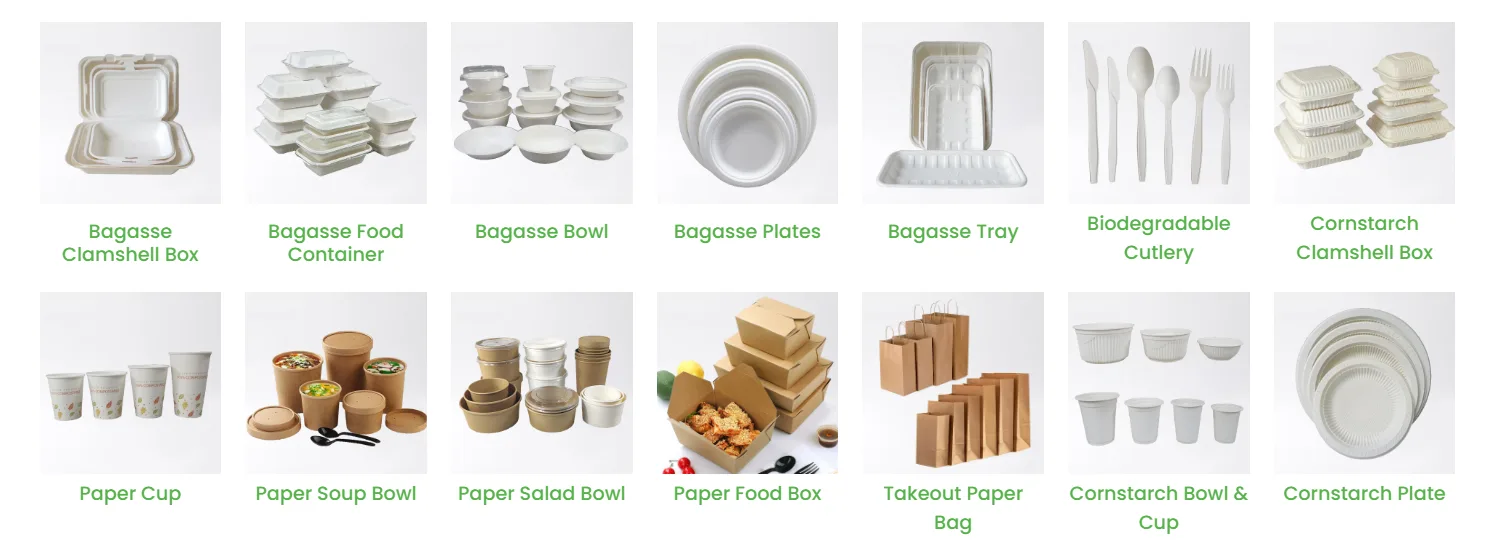
- Core Products: Bagasse clamshells, bagasse bowls, trays; cornstarch cutlery; PLA cups; kraft salad containers
- Certifications: EN13432, ASTM D6400, OK Compost, ISO 22000, BRC, FSC
Unique Strengths
- 100% PFAS-free production since 2024
- 50+ professional molds with weekly prototyping cycles
- Output capacity: 50 million units/month
- Serving clients in 52 countries including U.S., Canada, Japan, UAE, Germany
- Custom mold development from idea to finished sample in 7–10 days
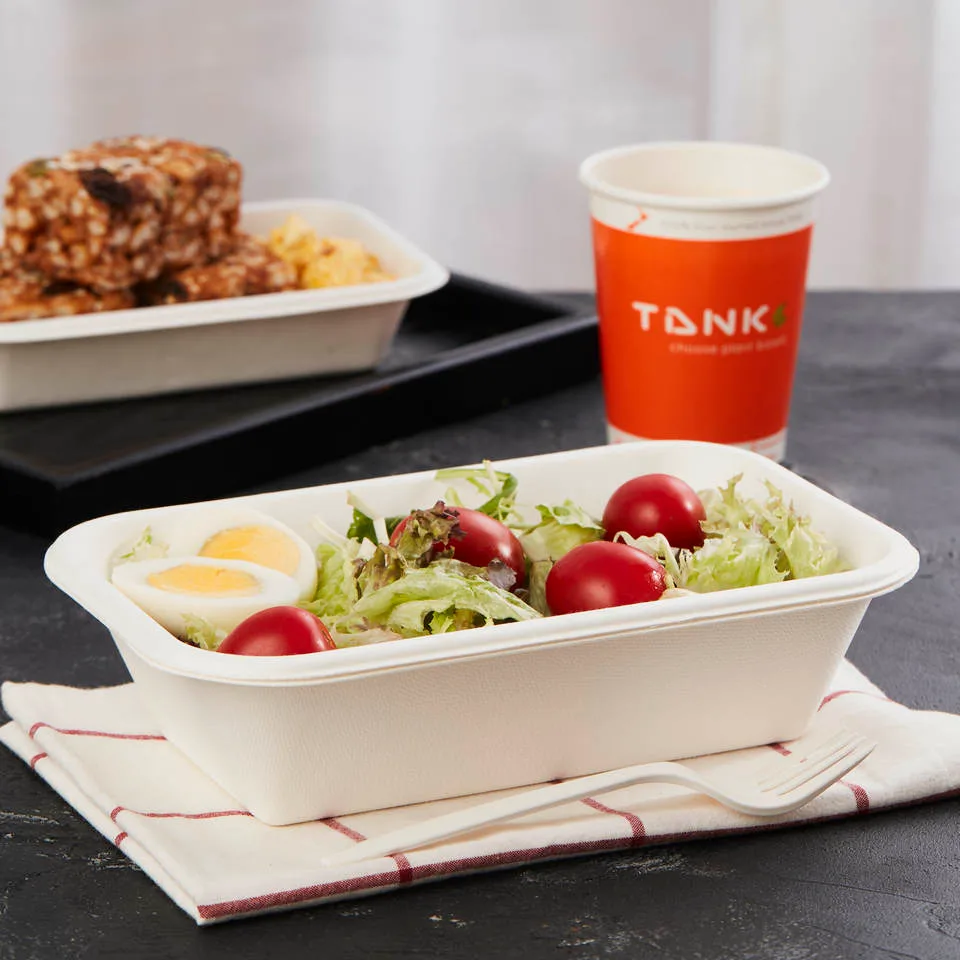
Real Buyer Case Study 1: U.S. Salad Chain (2024–2025)
- Client Profile: A national healthy fast-casual salad chain with 150+ locations across the United States.
- Challenge: Required an alternative to petroleum-based plastic salad trays that could withstand oily dressings and microwaving without leakage or warping.
- Bioleader® Solution: Developed custom bagasse trays with waterproof, oil-resistant lining and debossed logo branding. Provided product samples within 10 days and scaled to 1 million trays/month within 6 weeks.
- Result: Reduced plastic packaging waste by 65%, improved customer satisfaction scores by 22%, and helped the chain meet California compostable packaging mandates ahead of schedule.
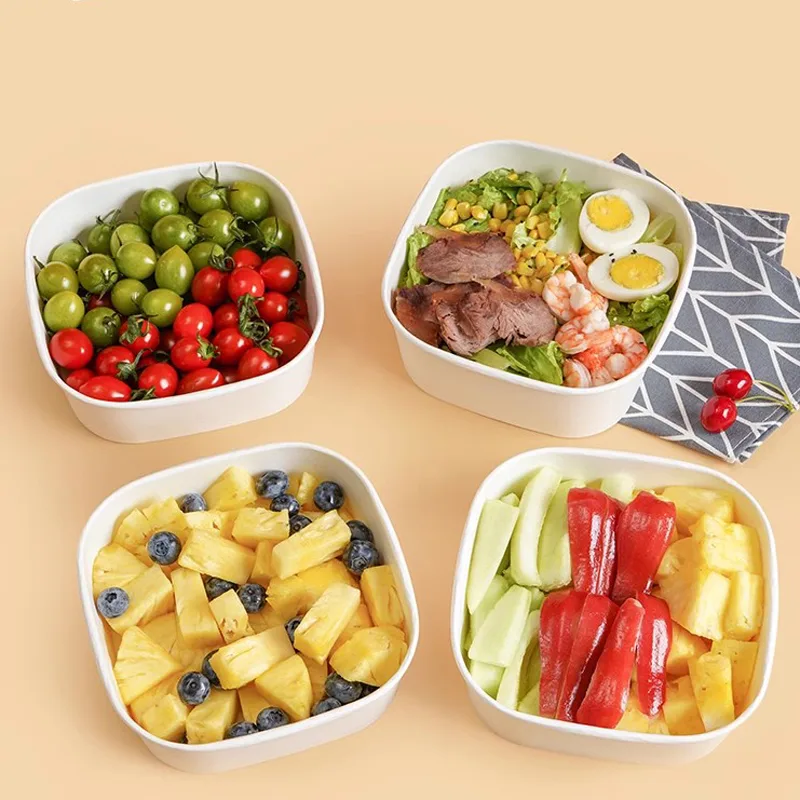
Real Buyer Case Study 2: European Airline Catering Group (2025)
- Client Profile: A leading inflight meal provider servicing over 18 airlines in Europe and the Middle East.
- Challenge: Needed compostable meal trays and cutlery that were lightweight, space-efficient, and compliant with EN13432 for in-flight use and airport customs.
- Bioleader® Solution: Delivered a full range of PLA-coated kraft paper meal boxes, bagasse tray inserts, and cornstarch cutlery sets in airline-compliant packaging sizes. Custom logo printing was applied with soy-based inks.
- Result: Cut logistics weight by 20%, passed all customs inspections with EN and TÜV documentation, and won the airline client a sustainability excellence award in 2025.
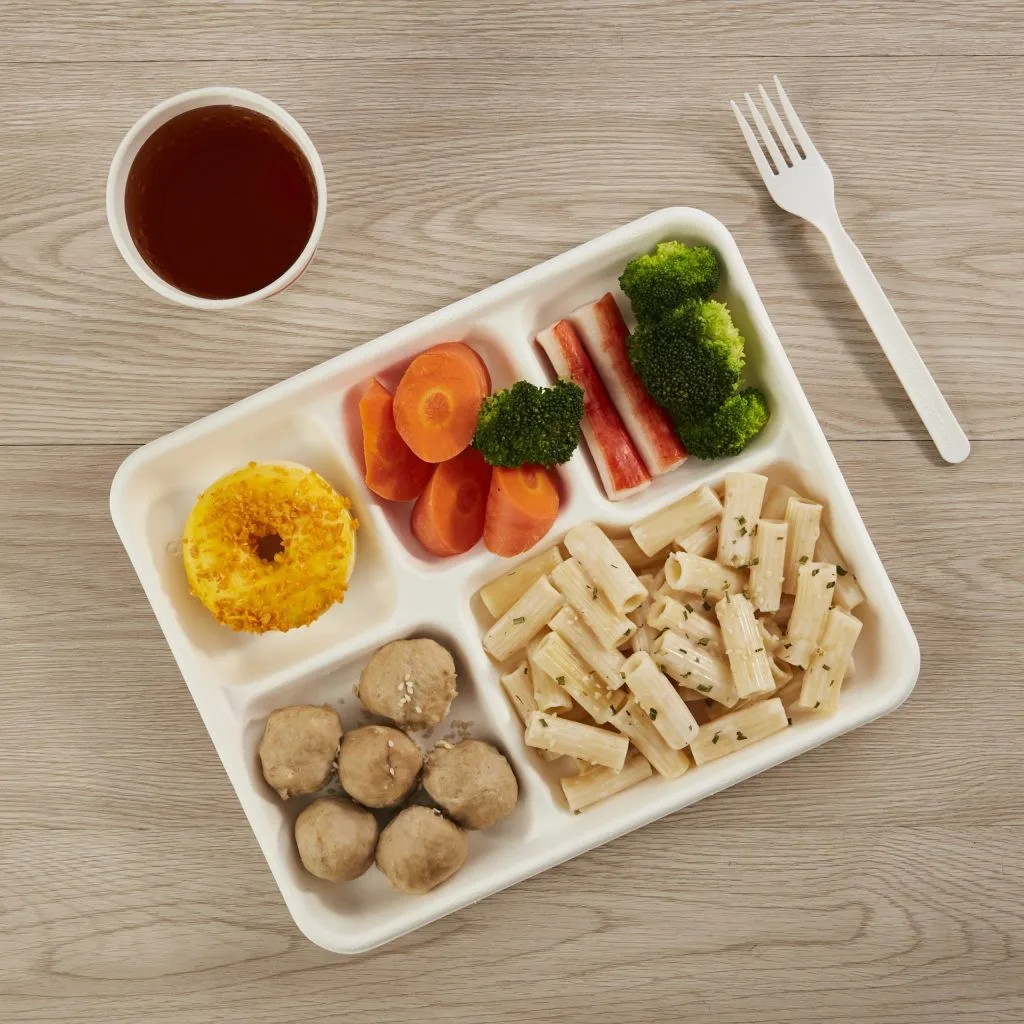
Real Buyer Case Study 3: Japanese Bento Franchise (2024)
- Client Profile: A 300-store bento box chain expanding rapidly across Japan and Southeast Asia.
- Challenge: Required PFAS-free food containers that retained heat, resisted oil, and supported traditional multi-compartment tray designs while maintaining aesthetic appeal.
- Bioleader® Solution: Created custom multi-cell bagasse trays with lids and rice-safe compartments. Integrated Japanese calligraphy printing and seasonally themed embossing.
- Result: Boosted brand image with eco-conscious consumers, increased average takeout order value by 12%, and was featured in a Tokyo sustainability expo as a case study in eco design.
Expert Insight: What Global Buyers Say
To further validate what matters most when selecting a reliable eco food packaging manufacturer, we gathered insights from global procurement leaders and sustainability officers. Their firsthand experience underscores recurring themes—compliance, responsiveness, and innovation.
🎙️ Interview Highlight 1: U.S. Café Franchise
“Our transition to compostable packaging wasn’t just about material replacement—it was a brand repositioning. Bioleader® helped us prototype custom bagasse containers within days, and we saw a 40% lift in positive customer reviews tied to our eco-friendly switch.”
— Angela Lee, Procurement Director, FreshRoot Café (U.S.)
🌍 Interview Highlight 2: European Retail Buyer
“Certifications matter in the EU, especially EN13432 and OK Compost. We couldn’t afford shipment delays due to customs rejection. Bioleader®’s clear documentation and reliable export practices helped us scale into 6 countries within 18 months.”
— Jens Bauer, Sustainability & Supply Chain Lead, Greenshelf Markets (Germany)
🍱 Interview Highlight 3: Southeast Asia Food Delivery Aggregator
“For our hot meal segment, finding PFAS-free, microwave-safe packaging was tough. Most suppliers either lacked certification or couldn’t deliver at scale. Bioleader® stood out by combining safety, performance, and fast design customization.”
— Mei Tanaka, Regional Sourcing Manager, BentoGo (Singapore-Japan)
These testimonials emphasize that beyond just technical specs, a packaging supplier’s agility, global experience, and transparency directly impact rollout success.
Summary: Your Eco Packaging Partner Shapes Your Brand Future
When packaging equals brand experience, the right manufacturer becomes your competitive edge. In 2025, successful food businesses are those that:
- Partner with certified, PFAS-free, sustainable factories
- Co-develop innovative designs with OEM flexibility
- Secure timely and scalable supply for global rollouts
Don’t settle for packaging that merely “meets” regulations—choose a partner who helps elevate your brand in the eyes of regulators, customers, and investors alike.
FAQ
1. How to choose a compostable packaging supplier for B2B needs?
Focus on certifications, customization ability, production scale, and global logistics support.
2. What certifications should a biodegradable packaging factory have in 2025?
EN13432, ASTM D6400, BPI, OK Compost, and ISO food safety standards.
3. Which countries have the best compostable food packaging manufacturers?
China, Germany, the Netherlands, and the United States lead in capacity, innovation, and global certification.
4. Can Chinese eco packaging factories meet EU and U.S. import regulations?
Yes. Leading factories like Bioleader® offer full documentation and certified compliance with EU and FDA standards.
5. What is the typical MOQ for custom biodegradable containers?
Common MOQs range from 10,000–30,000 units depending on customization level and material type. Some suppliers offer pilot runs or sample orders under 5,000 units.
References
European Commission
Directive (EU) 2019/904 on the reduction of the impact of certain plastic products on the environment
https://ec.europa.eu/environment/topics/plastics/single-use-plastics_enCalifornia Legislative Information (CA.gov)
SB-54 Solid Waste: Reporting, Packaging, and Plastic Pollution Reduction
https://leginfo.legislature.ca.gov/faces/billNavClient.xhtml?bill_id=202120220SB54OECD – Organisation for Economic Co-operation and Development
Global Plastics Outlook: Economic Drivers, Environmental Impacts and Policy Options
https://www.oecd.org/environment/global-plastics-outlook-17d71ebf-en.htmU.S. Environmental Protection Agency (EPA)
PFAS in Packaging and the Environment
https://www.epa.gov/pfas/basic-information-pfasTÜV AUSTRIA
Certification Scheme OK compost INDUSTRIAL & HOME
https://www.tuv-at.be/green-marks/ok-compost-industrial/Wikipedia Contributors
Bagasse – Material and Environmental Uses
https://en.wikipedia.org/wiki/BagasseBioleader® – Official Website
Eco-Friendly Packaging Solutions for a Compostable Future
https://www.bioleaderpack.com/about-us/