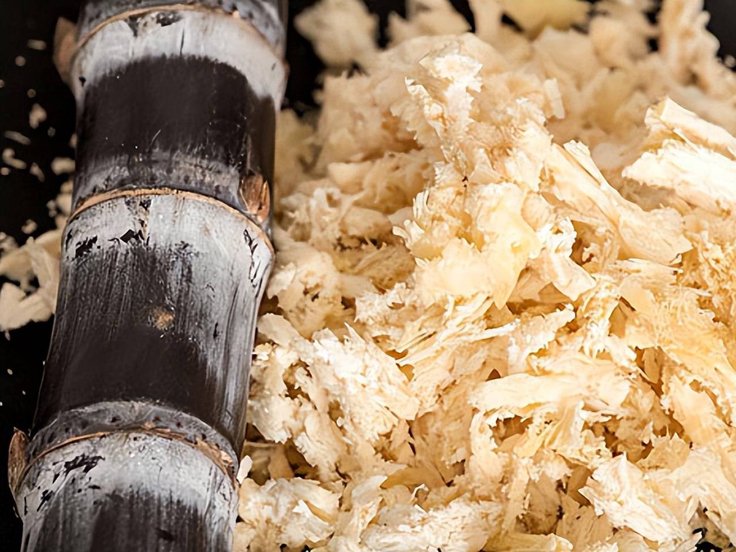
For Canadian food vendors, the best sustainable packaging for poutine combines biodegradability, compostability, and grease resistance. Sugarcane bagasse trays and kraft paper containers lead the market as eco-friendly, durable, and compliant with Canadian regulations—offering a practical, green alternative to plastic and Styrofoam.
Poutine, a beloved dish born in the French-speaking province of Quebec, has evolved into a symbol of Canadian comfort food culture. Composed of golden fries, squeaky cheese curds, and rich brown gravy, it embodies indulgence in its purest form. Whether you’re strolling through a food truck market in Toronto or ordering late-night delivery in Vancouver, you’re bound to encounter this savory classic.
But while Poutine has only grown in popularity, so has the spotlight on what it’s served in. With Canada’s strict single-use plastic ban now in full effect, food vendors face mounting pressure to ditch plastic packaging and transition to more sustainable, compostable solutions. Serving Poutine—hot, greasy, and heavy—in flimsy containers just doesn’t cut it anymore.
So, what’s the solution?
This article breaks down the science, packaging requirements, expert advice, and real-world case studies to determine which eco-friendly containers can truly handle the demands of Poutine, while remaining compliant with Canada’s sustainability laws.

🇨🇦 The Canadian Regulatory Shift: SOR/2022-138 in Action
As of January 2025, Canada’s nationwide ban on several single-use plastics—SOR/2022-138—is in full effect. This includes not only foam food containers but also:
Plastic-lined paper boxes that are not compostable
Non-certified “biodegradable” plastic containers
Takeout packaging without industrial compostability labels (e.g., EN13432 or ASTM D6400)
Violations can incur fines up to CAD $250,000 per instance.
For Poutine vendors, especially those relying on delivery apps like SkipTheDishes, Uber Eats, or DoorDash, this has triggered a major reevaluation of packaging options. The new legal landscape isn’t just a hurdle—it’s a branding opportunity.
🧀 The Challenge of Packaging Poutine
Poutine isn’t a typical to-go food. Its composition presents unique hurdles:
Heat: The gravy is often poured boiling hot over the fries and curds
Oil and moisture: Fries absorb oil and gravy seeps quickly into container walls
Weight: A single portion often weighs over 500g
Soft texture: Cheese melts, fries soften, creating an unstable base
Packaging Must-Haves for Poutine:
✅ Leak-proof & oil-resistant
✅ Microwave-safe
✅ Structurally rigid under load
✅ Certified compostable
✅ No plastic or PFAS coating
✅ Brand-customizable (for chain/franchise use)
🥡 Which Eco-Friendly Containers Actually Work?
Let’s dive into the top container types suited for Poutine, especially when using plant-based materials like bagasse and kraft paper.
1. Bagasse Bowl with Lid (750ml–1000ml)
Material: Sugarcane fiber, optional PLA bioplastic coating
Use Case: Restaurants, cafés, takeaway/delivery
Why It Works:
High sidewalls prevent spills
Retains heat for longer delivery times
Withstands microwave reheating
Industrial compostable in 90 days
🧪 Scientific Data:
A 2024 UN Food Packaging Study showed bagasse bowls with PLA coating resisted grease penetration for over 4 hours at 90°C gravy temperature. Structural deformation remained under 2%.
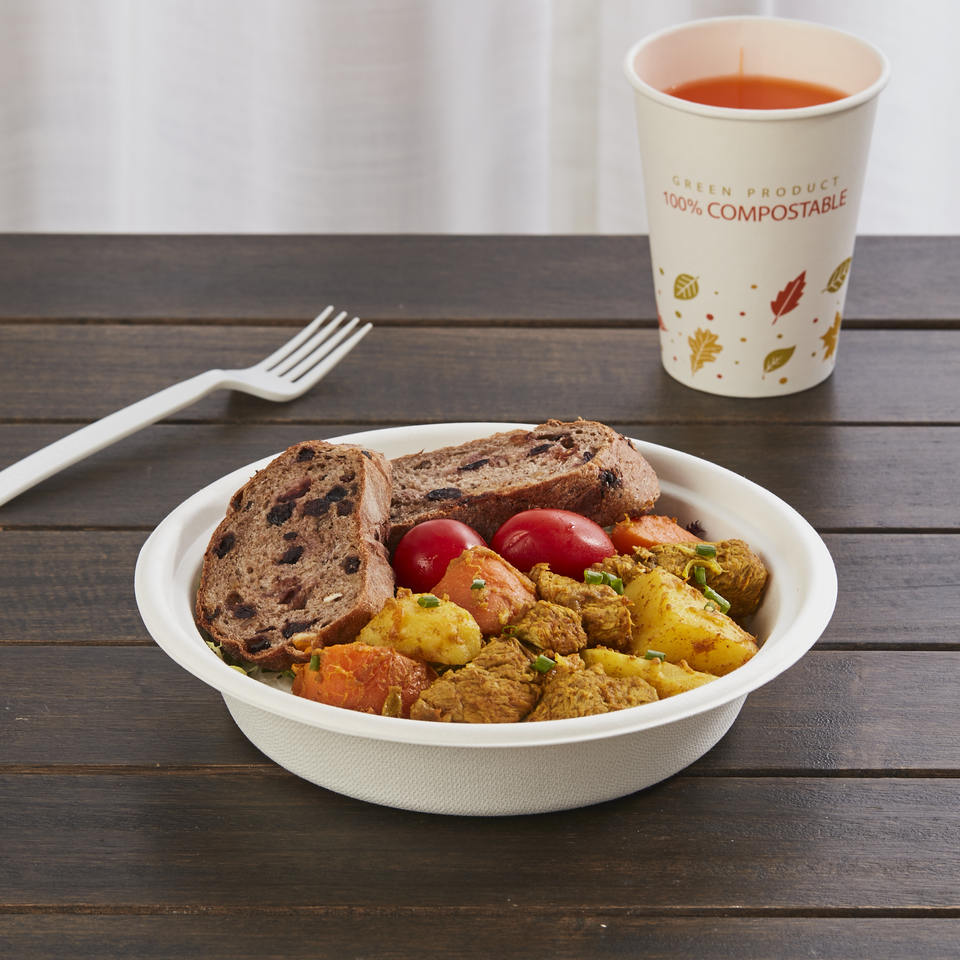
2. Bagasse Clamshell Box (9″x9″)
Material: 100% molded pulp
Use Case: Food trucks, night markets, fast-casual dining
Why It Works:
Flip-top lid—no lid/lid-sealing mismatch
Deep base ideal for cheese-and-gravy volume
Ideal for handheld service and stacking
This container is a favorite among Poutine festivals like La Poutine Week because of its simplicity and effectiveness under pressure.
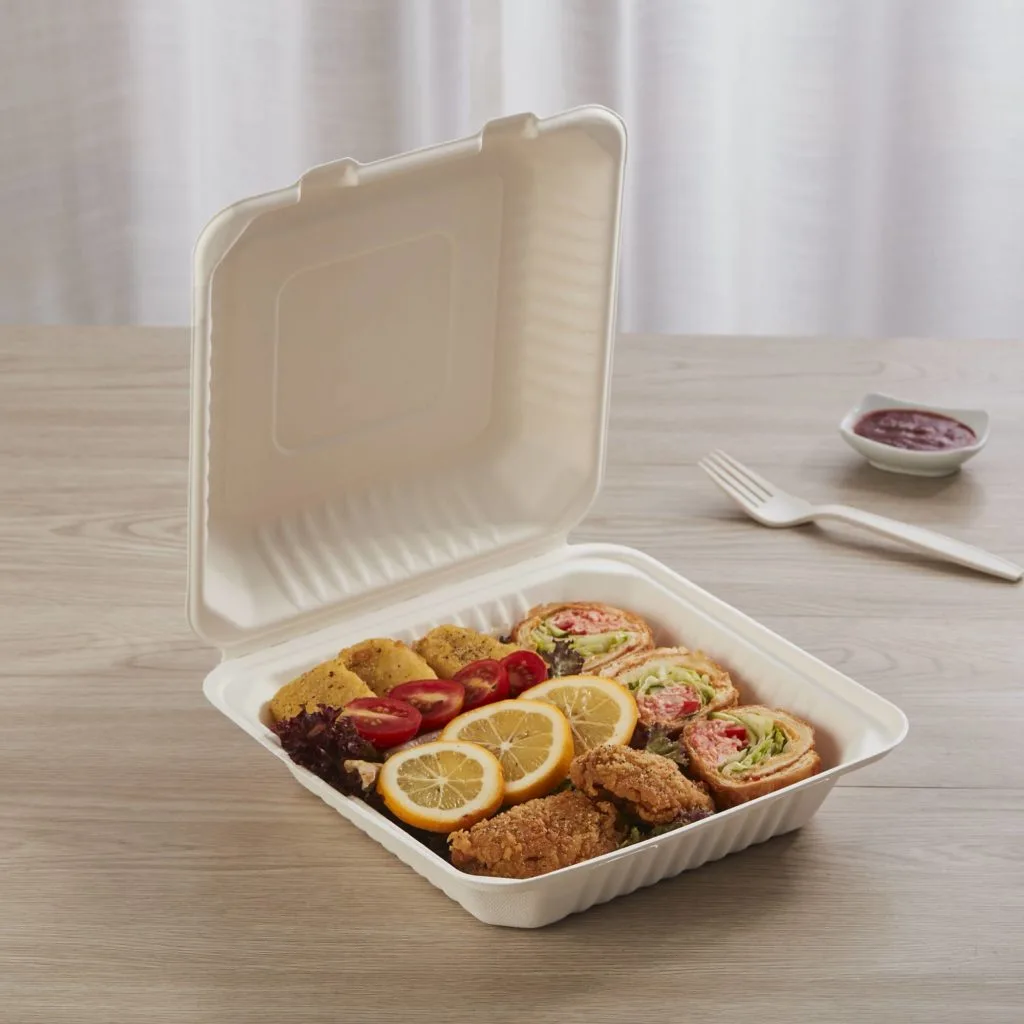
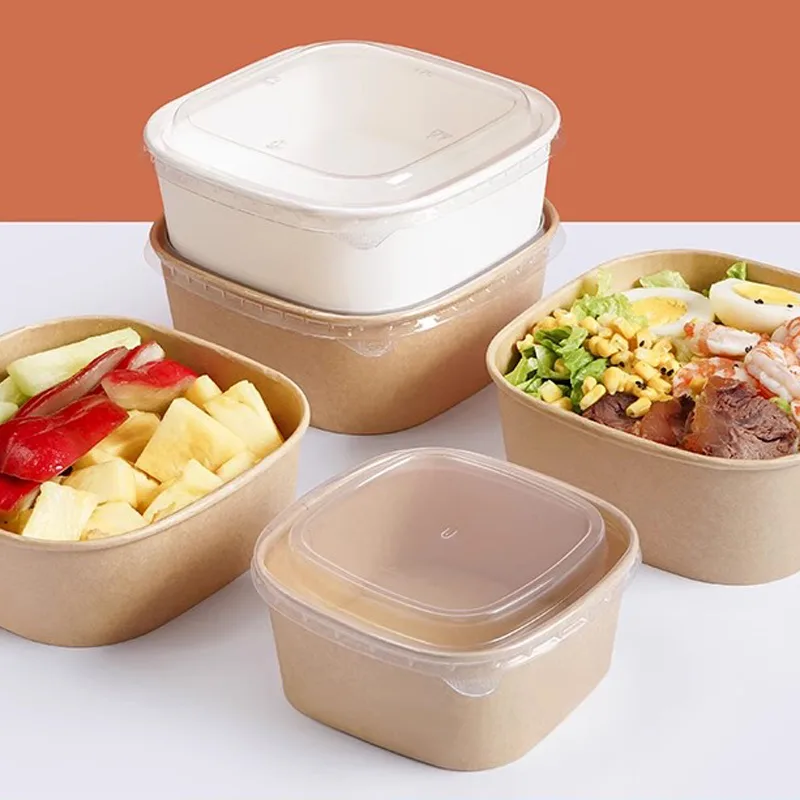
3. Kraft Paper Bowl with Compostable Lid (850ml–1000ml)
Material: FSC-certified paper + optional PLA lining
Use Case: Premium brands, gourmet food concepts, delivery
Why It Works:
Looks elevated—ideal for upscale or Instagrammable packaging
Durable kraft layer resists oil seep-through
Lids available in flat kraft or transparent PLA
🔍 Customization Edge:
Bioleader® kraft bowls can be branded with custom logos, slogans, or festival editions. Great for building emotional branding and customer loyalty.
|
|
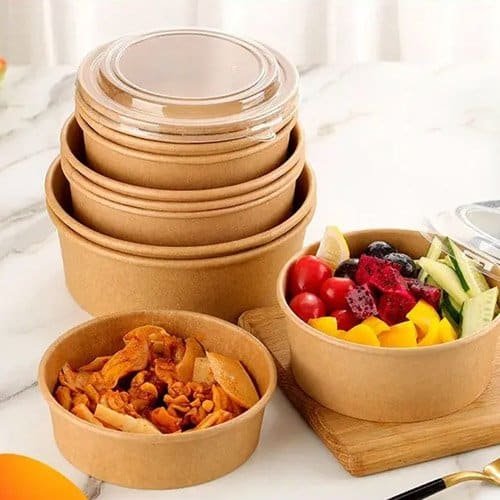
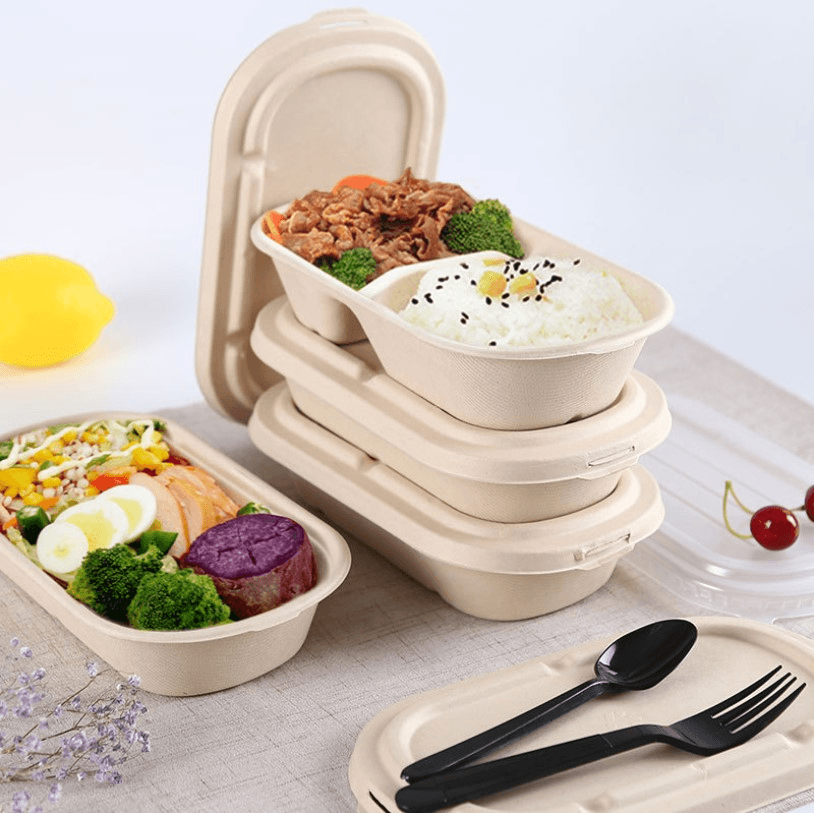
4. Bagasse Rectangular Tray with Compartments
Material: Sugarcane bagasse
Use Case: Stadiums, shared platters, event vendors
Why It Works:
Sturdy enough to hold multi-pound servings
Ideal for “build-your-own” Poutine (e.g., split beef vs. pulled pork)
Fits in food warmers, compatible with clear lids
This tray is often used for VIP tasting booths, catered events, and brewpub Poutine flights.
🧪 Material Comparison Chart: Which Performs Best?
| Feature | Bagasse (with PLA) | Kraft Paper (with PLA) | EPS Foam (banned) |
|---|---|---|---|
| Heat Resistance | ✅ 120°C | ✅ 100°C | ❌ Deforms at 85°C |
| Grease Resistance | ✅ <5% absorption | ✅ ~8% absorption | ❌ Prone to leaks |
| Compostability | ✅ EN13432/ASTM | ✅ EN13432/ASTM | ❌ Non-compostable |
| Structural Stability | ✅ Strong | ✅ Medium | ❌ Weak |
| Export Compliance (EU/US) | ✅ Yes | ✅ Yes | ❌ No |
| Branding Customization | ✅ Embossing, print | ✅ Full-color print | ❌ Limited |
🛒 Real-World Case Study: Frites & Forest, Montréal
Challenge:
Frequent complaints about soggy boxes, gravy leaks, and unboxing mess were hurting their online ratings.
Solution:
Switched to Bioleader® 1000ml bagasse bowls and 9″x9″ clamshells with optional PLA lining.
Results in 60 Days:
⭐ Customer satisfaction rose by 27%
📉 Complaints dropped 83%
🛵 Delivery packaging stability improved significantly
📰 Featured in Sustainable Montréal Monthly as a “Green Poutine Leader”
“Our customers instantly noticed the upgrade. No more flimsy boxes—just clean, sturdy, sustainable Poutine delivery.”
— Lucas Beaudoin, Co-Founder, Frites & Forest
👩🔬 Expert Commentary: Packaging = Brand Identity
“For high-moisture, high-fat foods like Poutine, fiber-based containers with plant coatings outperform plastic and foam in both structure and sustainability. These are not just better for the planet—they enhance the dining experience.”
— Jonathan Lemieux, Canadian Eco-Pack Council
“More than 70% of Gen Z consumers say eco-packaging influences where they order food. It’s now part of a brand’s DNA.”
— Emily Zhang, Food Packaging Analyst
📈 Global Opportunities: Not Just Canada
Did you know Poutine is trending in:
🇺🇸 U.S. cities like Portland, Chicago, and New York (featured on Grubhub Top 100 list)
🇫🇷 Paris food trucks at summer festivals
🇦🇺 Australia’s “North American street food” scene
For exporters, offering compostable Poutine packaging that meets EN13432 and US BPI certifications unlocks broader markets.
🛠️ Practical Tips for Serving Poutine Sustainably
Transitioning to compostable containers is a smart move—but it works best when paired with operational best practices. Here are five field-tested tips to help you serve Poutine in a way that’s both delicious and eco-responsible:
1. Separate Gravy for Delivery Orders
For long-distance delivery, offer the gravy in a small compostable side cup. This prevents fries and cheese from getting soggy and keeps the main container intact during transport.
2. Pre-Warm Containers Before Packing
Placing hot Poutine in cold containers can cause sudden condensation and weaken structure. Pre-warm bagasse or kraft bowls slightly under a food lamp for better performance.
3. Choose the Right Portion Size
Use 750ml bowls for standard single servings and 1000ml or rectangular trays for shared portions. Oversizing the container can cause the food to shift, leading to leakage.
4. Add Branded Compostable Labels
Label your packaging with compostability instructions, certifications, and your brand message. It increases customer awareness and reinforces your sustainability values.
5. Train Staff on Compostable Handling
Unlike plastic, compostable materials may require different storage and handling. Keep containers dry and stack them properly to prevent warping or bending before use.
Implementing these small changes not only enhances customer satisfaction but also boosts your brand’s reputation as a sustainability leader.
✅ Final Takeaway: It’s Not Just What’s Inside That Counts
Poutine is Canada’s comfort food legend—but today, how you serve it is just as important as what’s in it. Choosing the right packaging doesn’t just meet sustainability goals—it boosts delivery quality, strengthens your brand, and wins customer loyalty.
🌿 Bioleader® offers a full range of compostable food containers tailored for high-performance foods like Poutine, with global export compliance and flexible customization.
🛍️ Whether you’re a national chain or a weekend food truck, there’s a container designed for your menu—and your mission.
❓ Frequently Asked Questions
Q1: Will bagasse containers become soggy with Poutine gravy?
No. Bagasse fiber is naturally grease-resistant. With PLA lining, Bioleader® bowls resist gravy penetration for up to 4 hours.
Q2: Can these containers go in the microwave?
Yes. All bagasse and kraft bowls are microwave-safe up to 120°C. They’re also freezer-safe.
Q3: Are these products accepted in municipal compost programs?
Yes, as long as they carry proper certifications like EN13432 or ASTM D6400. Bioleader® packaging is fully compliant.
Q4: Can I print my logo or seasonal branding?
Absolutely. Bioleader® supports offset printing, embossing, and custom color matching on both kraft and bagasse containers.
Choosing the Best Sustainable Packaging for Poutine: Insights for Canadian Food Vendors
Sustainable packaging for poutine in Canada demands a balance between environmental responsibility and functional performance. Vendors face unique challenges due to poutine’s greasy, moist nature requiring containers that are both durable and grease-resistant. Traditional plastics and foam have been widely phased out under Canadian environmental regulations, prompting the rise of biodegradable and compostable alternatives.
Sugarcane bagasse trays and kraft paper containers have emerged as leading materials in this niche. Derived from agricultural waste, bagasse is 100% compostable, grease-resistant, and robust enough for hot, saucy foods like poutine. Kraft paper packaging offers a natural, recyclable, and customizable option, supporting brand identity while meeting sustainability goals.
Canadian food vendors choosing these eco-friendly packaging solutions not only comply with evolving government mandates such as provincial plastic bans but also resonate with environmentally conscious consumers who increasingly demand sustainable dining experiences. Incorporating these materials helps reduce landfill waste by up to 80% compared to traditional plastics.
Furthermore, selecting the right packaging supports waste diversion strategies, simplifies composting logistics for foodservice businesses, and enhances corporate social responsibility profiles—all critical in the competitive Canadian food market.
📚 References
Government of Canada
“Single-use Plastics Prohibition Regulations (SOR/2022-138)”
https://www.canada.ca/en/environment-climate-change/services/managing-reducing-waste/reducing-plastic-waste/single-use-plastic-ban.htmlCompostable Packaging Alliance
“Field Performance Testing of Bagasse Containers in Hot-Food Applications (2024)”
https://compostablepackaging.org/research/bagasse-performanceEllen MacArthur Foundation
“The New Plastics Economy: Rethinking the future of plastics”
https://ellenmacarthurfoundation.org/new-plastics-economyWikipedia
“Poutine”
https://en.wikipedia.org/wiki/PoutineStatista
“Consumer Attitudes Toward Sustainable Packaging in North America (2024)”
https://www.statista.com/statistics/1392756/sustainable-packaging-opinion-canada-us/Bioleader Packaging
“Compostable Bagasse Food Containers”
https://www.bioleaderpack.com/product-category/bagasse-food-container/Sustainable Montréal Monthly
“How Local Poutine Chains Are Ditching Plastic—And Winning Customers”
https://www.sustainablemtl.org/articles/poutine-packaging-switch-2025