If you’ve ever juggled a bowl of soup and a side of salad at a picnic, you might have wished for the perfect hybrid utensil. That’s exactly what a spork offers. This clever combination of a spoon and fork has carved out a niche in both outdoor dining and sustainable food service. But what foods are sporks actually good for? And how can eco-friendly versions of this tool support our journey toward a zero-waste lifestyle?
Let’s explore the versatility of sporks—especially biodegradable spork utensils—and understand why they’re becoming essential in our kitchens, lunchboxes, and eco-conscious cafes.
What is a Spork?
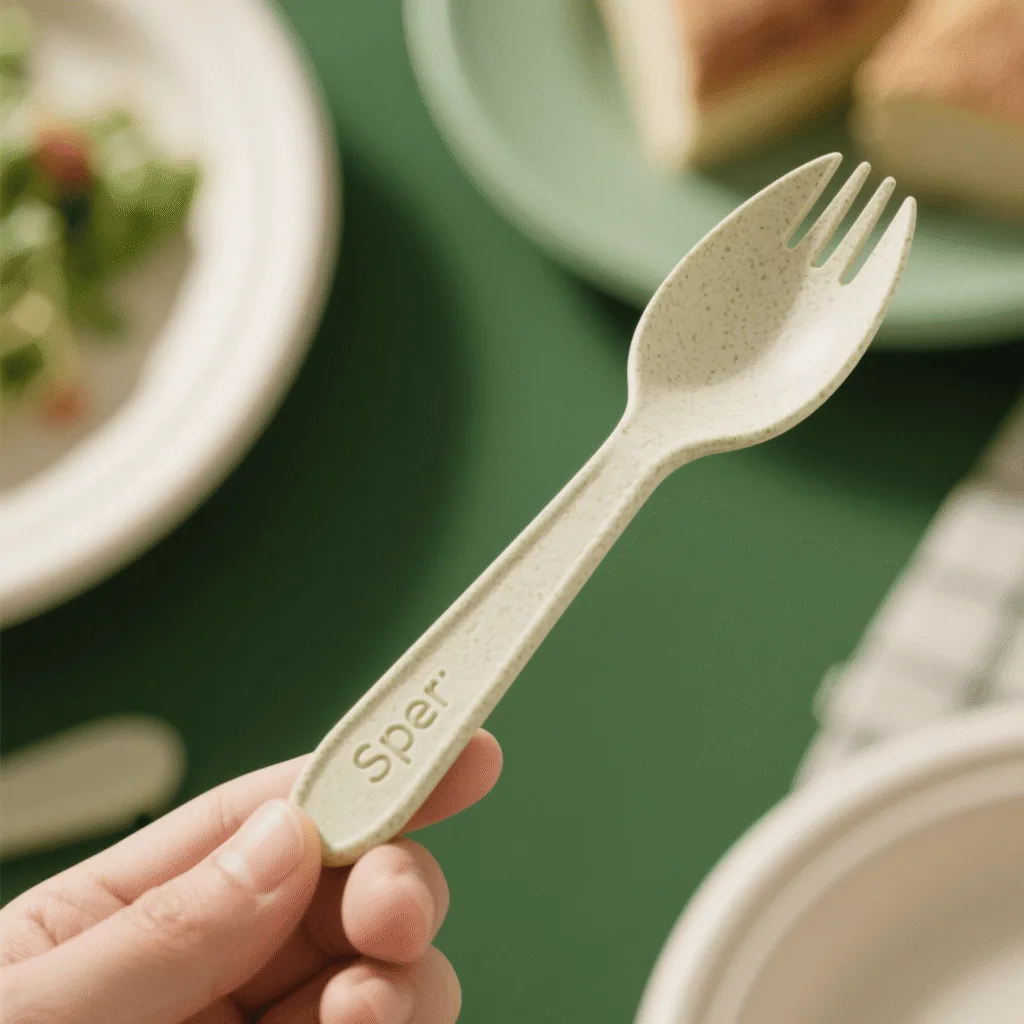
A spork is a hybrid eating utensil that merges the scooping functionality of a spoon with the piercing ability of a fork. Originally patented in the late 19th century, it was first adopted for institutional and travel uses, such as in prisons and airplanes, due to its efficiency and cost-effectiveness. Today, sporks are widely available in plastic, metal, wood, cornstarch, PLA, and other sustainable materials.
With the rise in demand for eco friendly sporks for lunch and takeaway, newer models like compostable wrapped sporks and reusable spork for kids are becoming popular alternatives to traditional plastic cutlery.
Why Do People Use Sporks?
Sporks are more than just quirky utensils. They serve a wide variety of purposes:
1. Versatility in Food Types
- Soups and stews (scoop with the spoon bowl)
- Pasta and salads (pierce with the fork tines)
- Rice dishes and curries (scoop and cut)
2. Convenience and Portability
- Ideal for on-the-go meals, camping, school lunches, and travel.
- Common in single-use settings like food trucks and events.
3. Sustainability in Design
- Using a single utensil reduces production, packaging, and waste.
- Popular in zero-waste kits and natural sporks for cafes.
4. Cost-Effective
- Manufacturers benefit from lower material and transport costs.
- Businesses opt for PLA eco sporks wholesale or compostable sporks bulk to meet demand sustainably.
What Foods Are Best Eaten with a Spork?
Sporks are ideal for foods that require both scooping and spearing. Here are the top categories:
Picnic & Lunch Foods
- Potato salad
- Coleslaw
- Baked beans
- Pasta salad
- Cornstarch sporks for picnics are a biodegradable favorite.
Takeaway Meals
- Stir fry bowls
- Mac and cheese
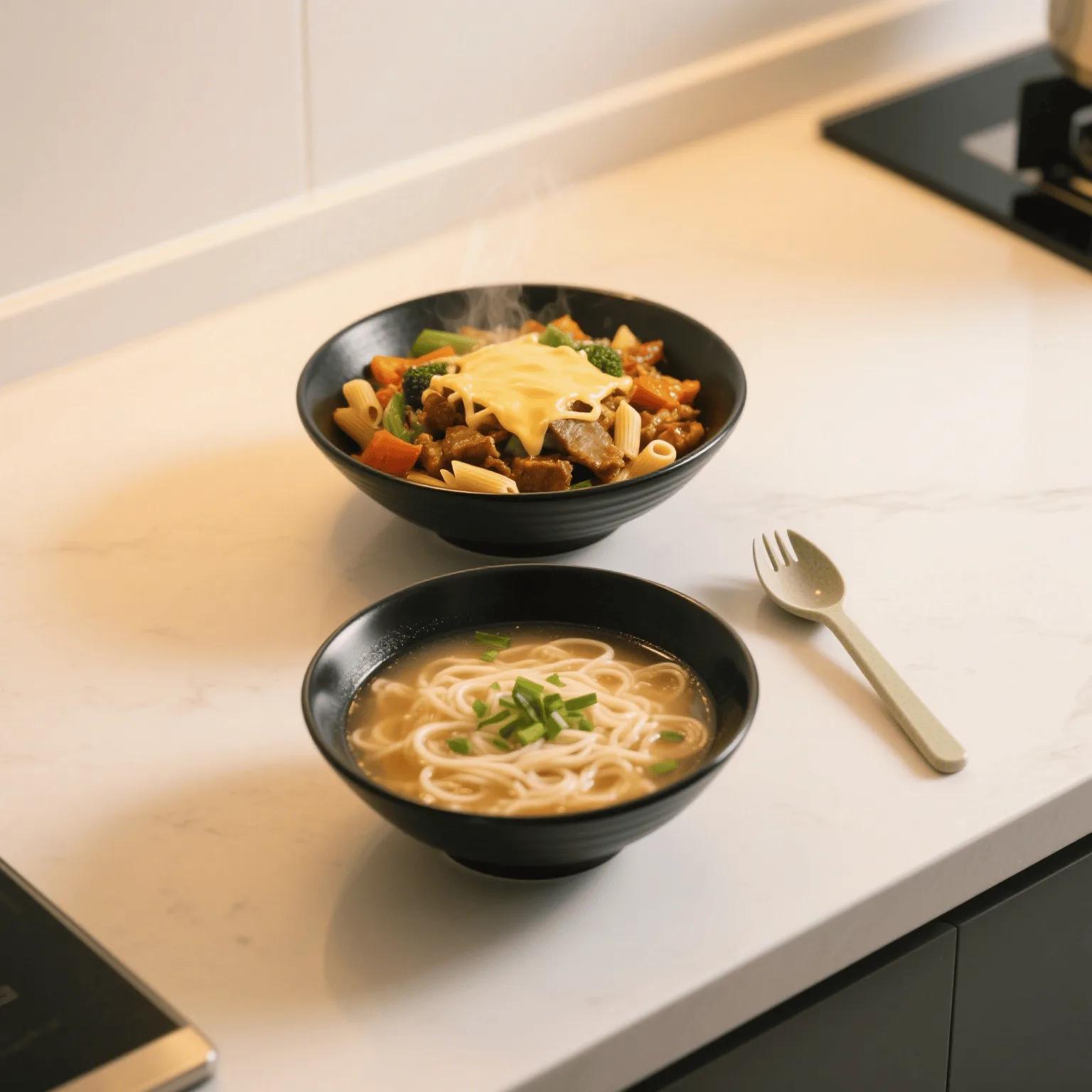
- Noodle soups
- Sustainable sporks for takeaway are practical for all-in-one meals.
Kid-Friendly Dishes
- Yogurt and fruit
- Mashed potatoes with veggies
- Macaroni and cheese
- Reusable spork for kids ensures safety and functionality.
Camping & Travel Foods
- Chili
- Dehydrated meals
- Rice with beans
- Plant based sporks for camping reduce your plastic footprint.
Food Truck or Festival Cuisine
- Loaded fries
- Rice bowls
- Soups with toppings
- Green sporks for food trucks blend convenience with sustainability.
Scientific Data & Real-World Cases
Research Insights
According to the Environmental Research and Education Foundation (EREF), over 40 billion plastic utensils are used in the U.S. each year. If just 10% were replaced with compostable wrapped sporks or heavy duty biodegradable spork options, millions of pounds of plastic waste could be eliminated.
A study by the University of Sheffield found that single-use compostable utensils made from PLA (polylactic acid) degrade in under 90 days in commercial composting conditions—significantly reducing landfill contributions.
Real-Life Example 1: Eco-Festival Initiative
The “GreenFest” music festival in Portland switched from plastic cutlery to zero waste sporks for events. In just one year, they diverted 12 tons of plastic waste by distributing eco-friendly spork sets with every meal ticket.
Real-Life Example 2: School Sustainability Program
In San Diego, a primary school replaced plastic forks and spoons with natural sporks for cafes and school cafeterias. The result: a 75% drop in cutlery waste and enthusiastic support from students who found the utensils fun and easy to use.
FAQs About Sporks
1. Are sporks suitable for hot foods?
Yes—especially heavy duty biodegradable spork models made from heat-resistant cornstarch or PLA. They can handle soups, stews, and warm casseroles.
2. Can kids use sporks safely?
Absolutely. Reusable spork for kids is often designed with rounded edges and non-toxic materials to ensure safety.
3. Are all sporks compostable?
No. Only compostable sporks bulk made from certified materials like PLA or cornstarch are industrially compostable. Always check product labeling.
4. Can I buy eco sporks in bulk for my business?
Yes. Many vendors offer PLA eco sporks wholesale and disposable eco spork cutlery in large quantities tailored for cafes, restaurants, and events.
5. What makes a spork better than using both a spoon and fork?
A spork reduces single-use waste, simplifies packaging, and cuts material use—especially important in zero-waste or minimalist lifestyles.
Conclusion: Why Sporks Deserve a Spot in Every Meal Kit
From school lunches and family picnics to bustling food trucks and eco-conscious events, sporks offer a smart, sustainable, and surprisingly versatile solution. With so many options—from plant based sporks for camping to compostable wrapped sporks for catering—the future of cutlery might just be a little more hybrid.
So, what foods are sporks good for? Practically everything. Especially when served with a side of sustainability.
References:
- Matthew Taylor, “Why Plastic Cutlery is a Problem,” The Guardian, https://www.theguardian.com/environment/2021/jun/14/plastic-cutlery-environment-impact
- Environmental Research and Education Foundation (EREF), “Plastic Waste in the U.S.,” https://erefdn.org/plastic-waste-data
- Emily Gosden, “Compostable Plastics: Hype or Help?” The Times UK, https://www.thetimes.co.uk/article/compostable-plastics-facts
- University of Sheffield, Department of Materials Science, “Degradation Studies of PLA-based Utensils,” https://www.sheffield.ac.uk/materials
- Wikipedia contributors, “Spork,” Wikipedia, https://en.wikipedia.org/wiki/Spork