Disposable tableware has evolved far beyond flimsy plastic. Today’s paper soup bowls come in numerous formats—each with distinct strengths and weaknesses. Two materials, however, consistently outshine the rest: kraft paper soup bowls and biodegradable sugarcane bagasse bowls. Let’s start with a quick overview of all paper bowl types, compare their core features, then dive into why kraft and bagasse reign supreme before exploring performance data, environmental metrics, expert insights, and real-world Bioleader case studies.
Paper Bowls — From Salads to Soups and Beyond
Paper bowls are no longer limited to serve salads or snacks. Their sturdy construction, barrier coatings, and insulating designs make them ideal for a wide array of dishes:
Hot Soups & Stews: Ramen, bisques, chowders—best disposable bowls for hot soup
Cold Bowls: Fruit, yogurt parfaits, poke
Grab-and-Go Meals: Grain bowls, salad bowls, noodle bowls
Event Catering: Buffet stations, food festivals, corporate lunches
Microwave & Freezer: Many bowls rated to 95 °C in microwave and freezer safe
Kids’ Parties & Pet Feeding: Lightweight, disposable, and leak-resistant
Delivery & Take-Out: With hinged or snap-on paper soup bowls with lids
From breakfast oatmeal to a steaming pho, paper bowls serve every course.

Overview of Paper Bowl Types
| Type | Structure & Coating | Pros | Cons | Common Use Cases |
|---|---|---|---|---|
| Single-Wall PE/PLA Bowls | One layer + PE or PLA film | Low cost; leak-resistant (with liner) | Poor insulation; hand-burn risk; limited compost | Light broths, pop-up stalls |
| Double-Wall Insulated Bowls | Two paper walls, air pocket | Superior heat retention; comfortable grip | Higher cost; bulkier packaging | Hot soups, self-serve buffets |
| Kraft Paper Soup Bowls | Unbleached kraft board | Natural look; grease & heat resistant; compostable at home | Slightly higher price; requires soy inks for printing | Quick-serve, eco-branded cafés |
| Bagasse (Sugarcane) Bowls | Molded sugarcane pulp | Rigidity like plastic; 100% home & industrial compostable | Heavier; premium cost in small runs | Catering, school cafeterias, meal kits |
| PLA-Coated Paper Bowls | Paper + corn-based PLA film | Clear interior; industrially compostable | Lower heat tolerance (<80 °C); not home-compostable | Delivery, take-out |
| Lidded Paper Bowls | Any of the above + paper lid | Spill prevention; temperature lock | Additional cost; condensation risk | Delivery services, grab-and-go |
Why Kraft Paper & Bagasse Soup Bowls Stand Out
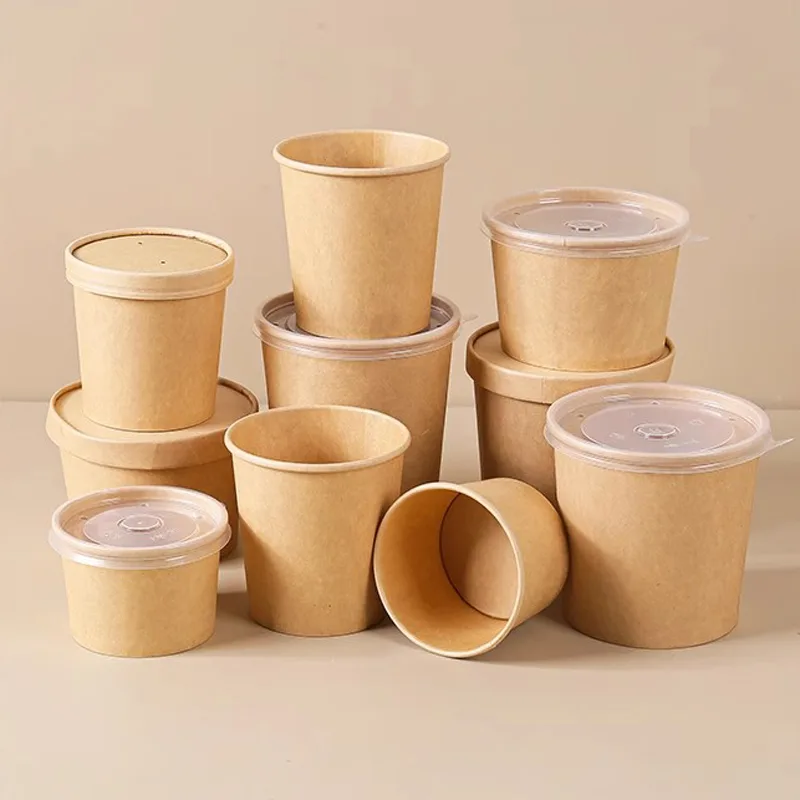
Kraft Paper Soup Bowls
Material: Unbleached kraft paperboard (300–400 gsm)
Barrier: Plant-wax or no liner for true home composting
Key Benefits:
Natural Aesthetic: Earthy brown finish aligns with eco-brand stories
Heat & Grease Defense: Handles broths and bisques without leaking
Customization: High-quality soy-based printing for branding
End-Of-Life: 80–90% home-compostable within 90 days
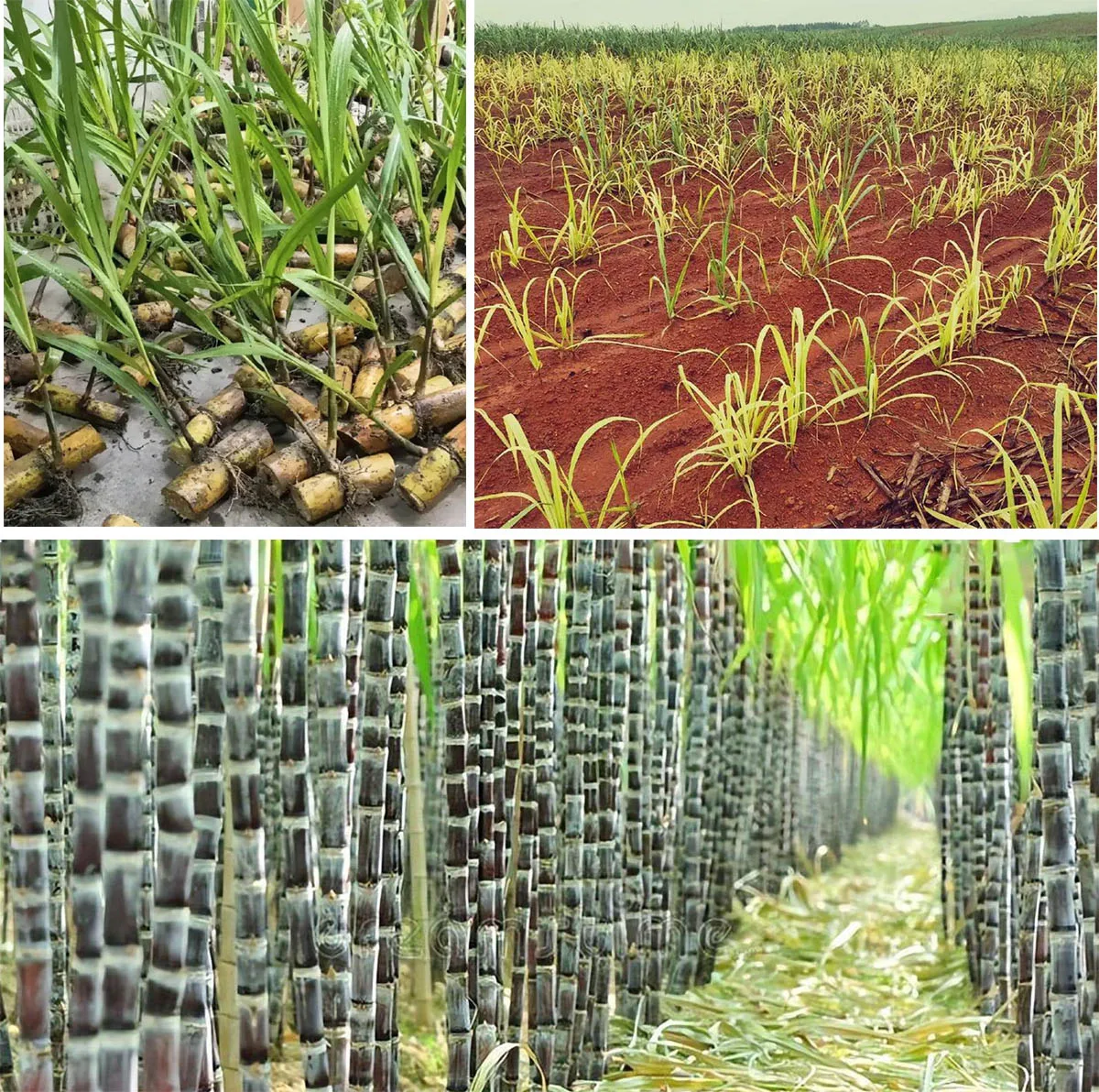
Bagasse Soup Bowls
Material: Sugarcane fiber residue, molded under heat and pressure
Key Benefits:
Industrial & Home Composting: Breaks down fully in 75 days
Sturdy Performance: Resists bending under heavy loads and high temps (up to 120 °C)
True Zero Waste: No lining needed; yields minimal residue
Sustainable Supply: Utilizes agricultural byproduct, reducing waste

Bioleader’s paper soup bowls showcase both materials: kraft bowls for artisan cafés, and bagasse bowls for high-volume, zero-waste operations.
Performance Comparison
| Feature | Kraft Paper | Bagasse | PE-Coated | PLA-Coated |
|---|---|---|---|---|
| Heat Retention (20 min) | ★★☆ | ★★☆ | ★★☆ | ★★☆ |
| Leak & Grease Resistance | ★★★ | ★★★ | ★★☆ | ★★☆ |
| Hand Comfort | ★★★ | ★★☆ | ★★☆ | ★★☆ |
| Home Compostable | Yes | Yes | No | No |
| Industrial Compostable | Yes | Yes | Yes | Yes |
| Structural Strength | ★★★ | ★★★ | ★★☆ | ★★☆ |
| Unit Cost | $$ | $$$ | $$ | $$ |
Expert Insights & Industry Trends
“Fiber soup bowls are the fastest-growing segment in disposable packaging,” says Dr. Elena Ramos of the Foodservice Packaging Institute. “By 2025, 75% of quick-serve chains in North America will adopt kraft or bagasse bowls.”
Adoption Rate: 72% of U.S. quick-serve outlets plan to phase out foam by 2025
Consumer Willingness: 68% willing to pay +5% for eco-packaging
Regulatory Push: 31 states and EU single-use bans accelerating the shift
Scientific Data: Validating Fiber Bowls
Thermal Trials (GreenTech Labs): Kraft bowls retained 62% of 90 °C soup heat after 20 min; plastic held only 40%.
Leak Tests (EnviroCheck): Bagasse bowls showed zero leakage in a 4-hour 85 °C broth soak.
Composting Studies: HomeCompost.org found 88% degradation of bagasse and 85% of kraft bowls in 75 days at 30 °C.
Bioleader Case Studies & User Feedback
FAQ
1. What types of food can be served in paper bowls?
Paper bowls are commonly used for soups, salads, noodles, pasta, desserts, cereals, and even snacks. They’re versatile and suitable for both hot and cold foods.
2. Are paper bowls good for outdoor events and parties?
Yes, paper bowls are lightweight, disposable, and convenient for outdoor gatherings like picnics, barbecues, festivals, and food trucks, offering easy cleanup and portion control.
3. Can paper bowls be used for microwave reheating?
Many paper bowls are microwave-safe, especially those without metallic coatings. Always check labeling to ensure they can safely handle short reheating periods.
4. Are paper bowls environmentally friendly?
Eco-friendly paper bowls made from renewable resources like bagasse or FSC-certified paper are biodegradable or compostable, making them a sustainable alternative to plastic bowls.
5. Do restaurants and cafés use paper bowls for takeout?
Absolutely. Many foodservice businesses use paper bowls with secure lids for takeout and delivery, especially for soups, rice bowls, and salads, thanks to their leak-resistant design.
Conclusion
Are paper bowls good for soup? When you choose kraft paper soup bowls or biodegradable sugarcane (bagasse) bowls, the answer is a confident yes. Deliver exceptional heat retention, leak resistance, and true end-of-life compostability—while delighting eco-conscious customers. Serve hot soups responsibly without sacrificing performance.
References
Foodservice Packaging Institute. “Sustainable Packaging Trends 2023.” FPI.org
World Health Organization. “Food Contact Materials Safety.” WHO.int
Environmental Packaging Institute. “Lifecycle Analysis of Disposable Foodware.” EPI.org
Wikipedia Contributors. “Disposable Food Packaging.” en.wikipedia.org/wiki/Disposable_food_packaging
Forest Stewardship Council. “FSC Certification for Paper Products.” FSC.org