UAE Will Ban Single-Use Plastics by 2026 — A Regulatory Turning Point
The United Arab Emirates (UAE) has taken a historic step toward environmental sustainability. Beginning in 2024, the nation will phase out plastic bags, and by January 1, 2026, it will enforce a comprehensive ban on most single-use plastic products—including plastic cups, lids, cutlery, and food containers. This bold move positions the UAE as a regional leader in the fight against plastic pollution and aligns with its Net Zero 2050 commitment.
For manufacturers, restaurants, retailers, and food delivery businesses, the countdown has begun. Compliance is not optional—it’s the future. Fortunately, eco-packaging solutions from certified global suppliers like Bioleader® are already available to ensure a smooth transition.
Breaking Down the Law – What’s Banned and When
The UAE’s Ministry of Climate Change and Environment formally announced the phased plastic ban in 2023. Here’s how the implementation will unfold:
Mid-2024: Ban on single-use plastic bags takes effect.
2025: National awareness campaign and voluntary shifts encouraged.
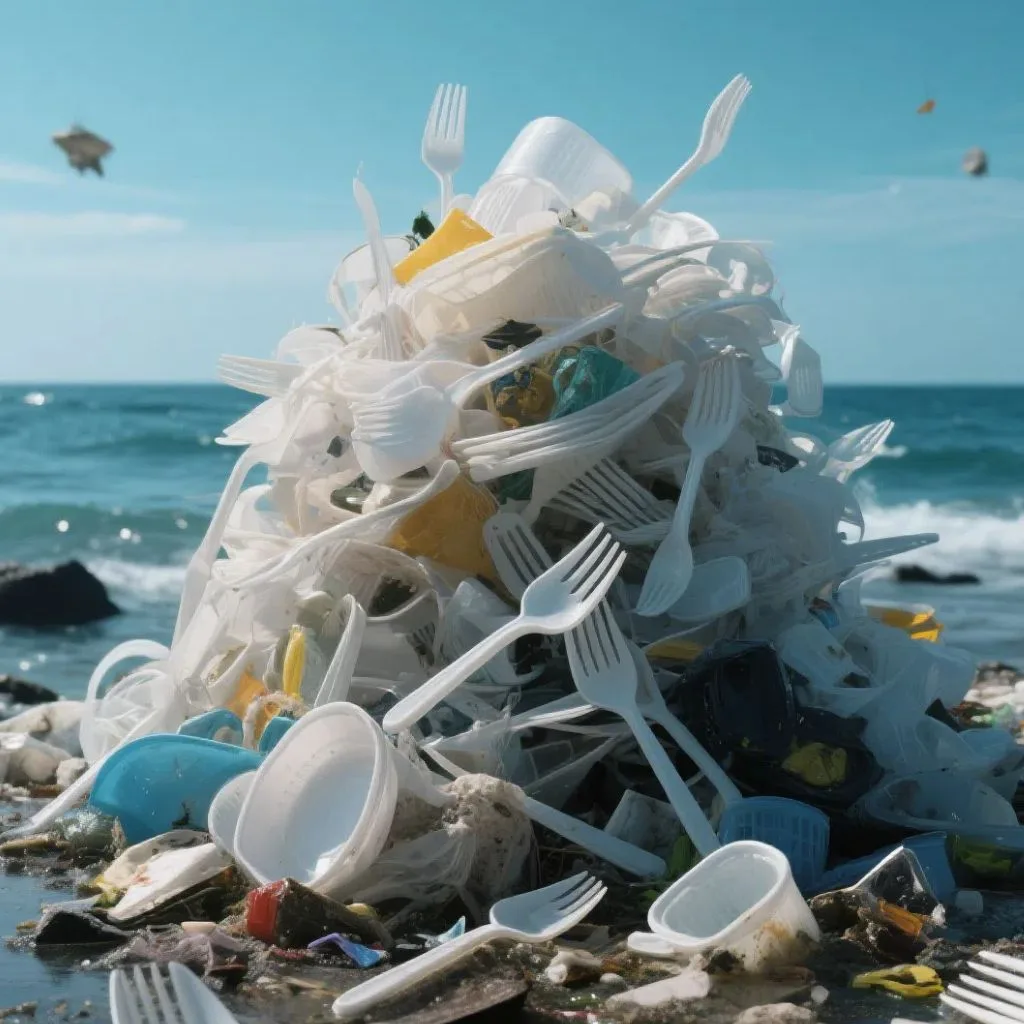
January 1, 2026: Prohibition of the following:
Plastic cutlery (forks, knives, spoons)
Plastic food containers and clamshells
Plastic cups and lids
Plastic straws and stirrers
According to the ministry, only truly compostable or reusable alternatives will be permitted. Products labeled “oxo-degradable” or “biodegradable” without credible third-party certification will not qualify.
The law applies nationwide and will be enforced at retail, hospitality, food delivery, and manufacturing levels. Violations will lead to fines and possible license suspension.
The Policy’s Purpose – Sustainability Goals and Expected Impact
The UAE’s ban isn’t just symbolic—it’s part of a comprehensive strategy to build a circular economy, protect marine life, and reduce the burden on landfills. The move aligns with:
Net Zero by 2050 Strategic Initiative
The Green Agenda 2030
COP28 legacy commitments
Plastic waste accounts for an estimated 11% of total UAE municipal waste, and much of it ends up in marine environments. The government projects that the ban could eliminate over 1 billion pieces of single-use plastic annually by 2026.
By setting clear timelines and targets, the UAE joins global frontrunners like the European Union, Canada, and India in accelerating the end of single-use plastics.
Expert Perspectives – What Global Scientists Are Saying
Renowned environmental scientists have applauded the UAE’s commitment.
Dr. Jenna Jambeck, a professor at the University of Georgia and a leading expert in marine debris, emphasized the importance of policy leadership in coastal nations.
“When countries like the UAE take bold action to stop plastics at the source, they contribute not just locally—but globally. It sends a signal that the era of unchecked plastic use is ending.”
Professor Roland Geyer, from the University of California, Santa Barbara, whose research shaped the world’s understanding of plastic’s lifecycle, added:
“Plastic is not inherently evil, but it’s overused in applications where renewables or compostables perform just as well or better. Legislation like this helps reset the balance.”
Their insights reinforce the UAE’s strategy as not just environmentally necessary—but scientifically sound.
What Businesses Must Do – 5 Steps to Get Ready
The 2026 deadline might seem distant, but procurement cycles, supply contracts, and inventory planning mean businesses should act now. Here’s how to prepare:
1. Audit Current Packaging Materials
Identify all plastic-based items used in operations, from takeaway containers to cup lids and cutlery.
2. Source Certified Alternatives
Choose suppliers that offer BPI, EN13432, or TÜV Austria OK compost certified packaging. Avoid “greenwashed” products with vague claims.
3. Update Contracts and Vendor Lists
Ensure future packaging orders are compliant with UAE 2026 standards. Engage with reliable manufacturers early to avoid supply chain shocks.
4. Train Staff and Update Branding
Educate employees about the new materials and disposal methods. Market your eco-transition to build consumer trust.
5. Plan for Waste Management
If using compostable packaging, partner with local composting or organic waste services for a closed-loop solution.
Bioleader®’s Compostable Solutions for the UAE Market
As the countdown to 2026 begins, Bioleader® stands ready to help UAE-based businesses transition with confidence.
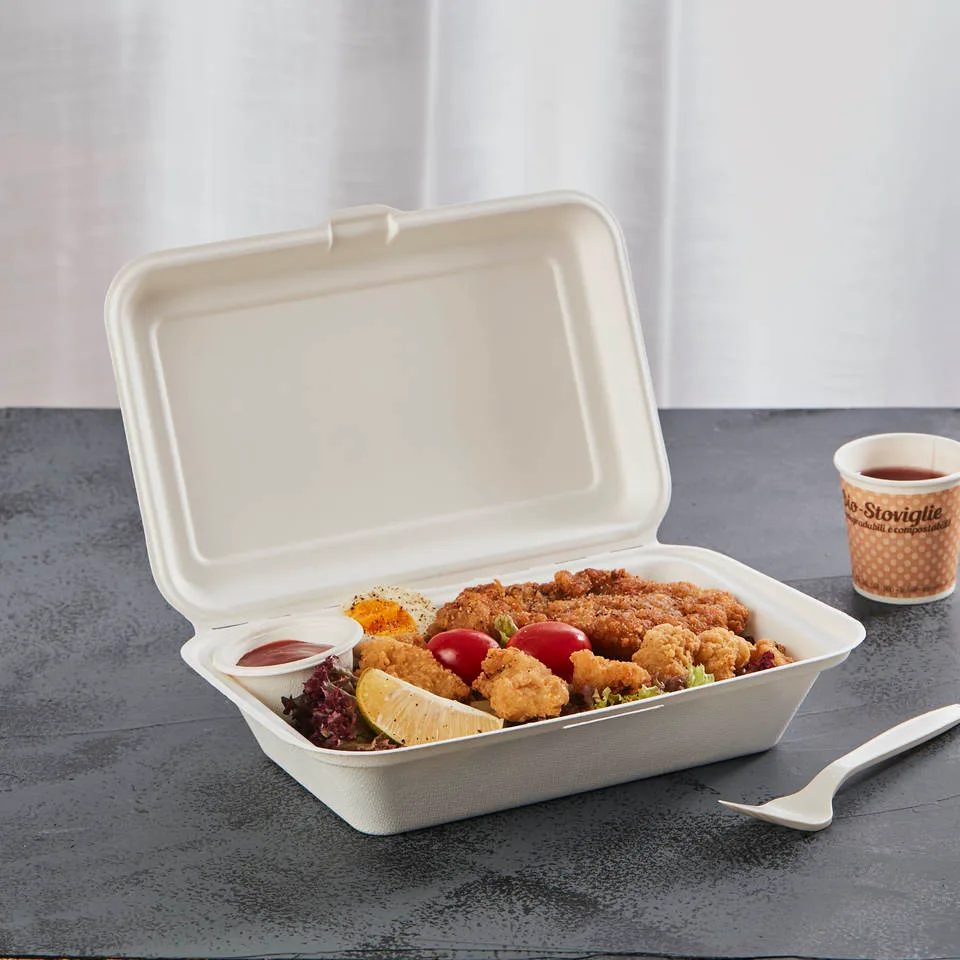
🌿 Sugarcane Bagasse Food Containers
Bioleader’s bagasse clamshells and trays are made from sugarcane waste fibers. These containers are:
Microwave-safe and freezer-safe
Oil and water resistant
Certified compostable (EN13432)
Perfect for hot food delivery, meal prep, and dine-in services—without plastic.
🥤 PLA Clear Cold Cups and Lids
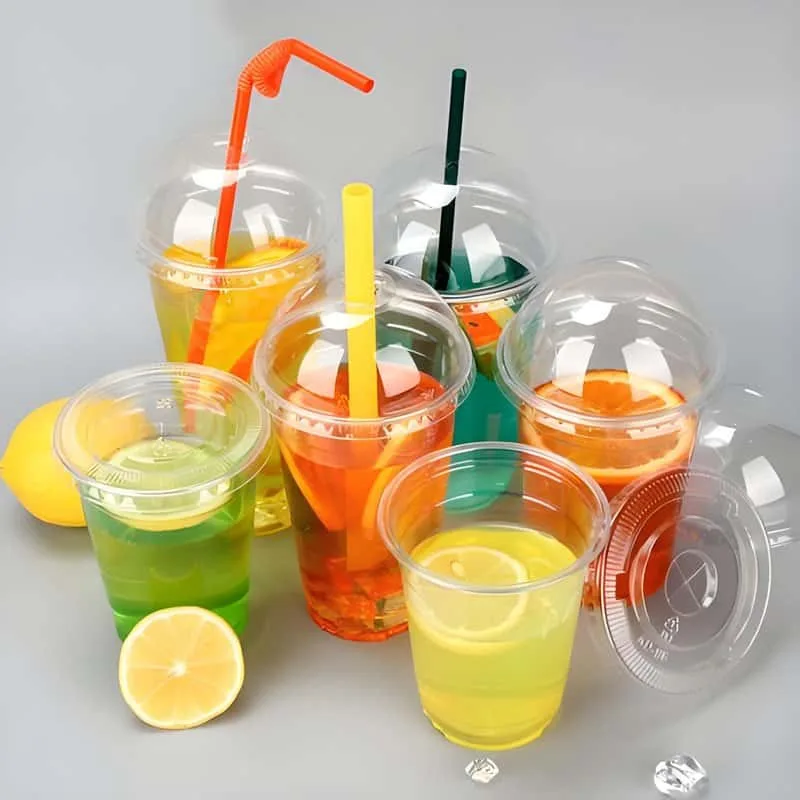
For cold drinks, juices, and smoothies, Bioleader offers PLA-based transparent cups and lids that look like plastic but decompose under industrial composting.
Crystal-clear appearance
Durable and crack-resistant
Safe for single-use cold applications
📦 Kraft Paper Bags and Takeout Solutions
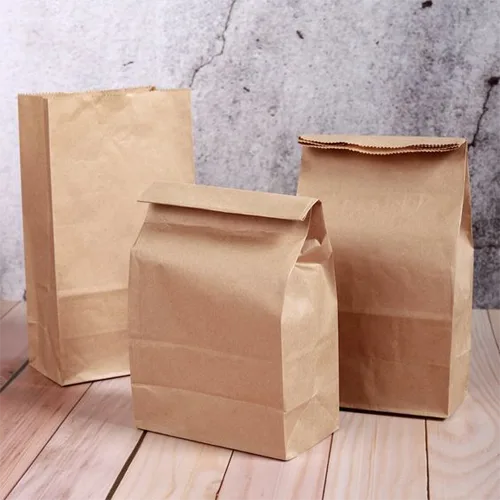
Bioleader’s kraft paper bags are FSC-certified, recyclable, and biodegradable—ideal for replacing plastic shopping or delivery bags.
Available in flat and handle designs
Custom printing options
Grease-resistant coating available for food applications
All products come with global certifications and meet the UAE’s expected material compliance. Our local distribution partners in the Middle East ensure timely supply, while our customer support team can assist with documentation, customs, and private labeling.
With years of experience in eco-packaging innovation, Bioleader® is more than a supplier—we’re your partner in sustainable transformation.
FAQ
1. What single-use plastics are banned in the UAE in 2026?
The ban includes plastic cups, lids, cutlery, food containers, straws, stirrers, and previously plastic shopping bags (phased out in 2024).
2. Are compostable plastics allowed under UAE law?
Yes, but only those that meet international standards like EN13432 or ASTM D6400. Products must decompose in industrial composting within a specified time.
3. What alternatives can restaurants use for takeaway?
Bagasse containers, PLA cups, kraft paper bags, bamboo utensils, and other biodegradable items from certified suppliers are acceptable.
4. Will violators face penalties?
Yes. Businesses using banned plastics after the grace period may face fines, operational restrictions, or revocation of licenses.
5. Where can I find certified biodegradable packaging suppliers in the UAE?
International providers like Bioleader® offer certified compostable packaging tailored to the UAE’s needs, including local partnerships for distribution.
Conclusion – The Future Is Biodegradable
The UAE’s 2026 plastic ban isn’t just regulatory reform—it’s a signal to the world. Sustainability is no longer optional, and businesses that adapt early will thrive in the new landscape.
By choosing certified, plant-based alternatives like bagasse containers, PLA cups, and kraft paper bags, companies can reduce their environmental footprint, align with customer values, and stay compliant with one of the region’s most progressive laws.
At Bioleader®, we believe that every meal served without plastic is a step toward a cleaner planet. As the UAE leads the Middle East in sustainability, we stand proudly beside you—supplying the future of food packaging.
References
Ministry of Climate Change and Environment, UAE
Title: “UAE Cabinet Approves Regulations to Reduce Single-Use Products”
URL: https://www.moccae.gov.ae/en/media-center/news/24/5/2023/uae-cabinet-approves-regulations-to-reduce-single-use-products.aspxGulf News – Staff Report
Title: “UAE to ban plastic bags from 2024, other single-use plastics from 2026”
URL: https://gulfnews.com/uae/environment/uae-to-ban-plastic-bags-from-2024-other-single-use-plastics-from-2026-1.95873623The National News – Nick Webster
Title: “Plastic-free UAE: What it means for shoppers and businesses”
URL: https://www.thenationalnews.com/uae/environment/2023/05/26/plastic-free-uae-what-it-means-for-shoppers-and-businesses/Dr. Jenna Jambeck (University of Georgia)
Title: “Plastic Waste Inputs from Land into the Ocean” – Science Magazine, 2015
URL: https://www.science.org/doi/10.1126/science.1260352Prof. Roland Geyer (University of California, Santa Barbara)
Title: “Production, Use, and Fate of All Plastics Ever Made” – Science Advances, 2017
URL: https://www.science.org/doi/10.1126/sciadv.1700782UN Environment Programme (UNEP)
Title: “Legal Limits on Single-Use Plastics and Microplastics: A Global Review of National Laws and Regulations”
URL: https://www.unep.org/resources/report/legal-limits-single-use-plastics-and-microplasticsBioleader® Official Website
Title: “Certified Compostable Tableware for Global Markets”
URL: https://www.bioleaderpack.com/