Top Use Cases For Where To Buy Plant-based Disposable Utensils | Bioleader® Guides

Actionable coverage of where to buy plant-based disposable utensils: eco-friendly, biodegradable, compostable materials, performance data, and compliance under EN13432 & ASTM D6400. Includes BPI/TÜV references and Food-Contact Tested guidance for safe deployment. Buyer-focused: manufacturer insights, bulk/wholesale buying playbooks, OEM/ODM customization tips, full size range selection.

As the world becomes more environmentally conscious, many people are asking, “What exactly is plant-based cutlery?” At first glance, it may seem like just another alternative to plastic forks and spoons—but in reality, it’s part of a much larger shift toward eco friendly cutlery and zero waste living. From casual picnics to large catered events, plant-based disposable cutlery has rapidly become a sustainable favorite.

where to buy plant-based disposable utensils — Quick Summary
  • Items displayed (articles): 12
  • Last updated: 2025-05-17
  • Includes test data, compliance guides, buyer FAQs, and real-world use cases.

Editor’s Picks: Top Where To Buy Plant-based Disposable Utensils Guides 2026

FAQ of Bioleader's Eco-friendly Disposable Tableware

Can they be put in the microwave?

Yes, they can be put in a microwave even though there is no instruction to that, which makes it easier as meals can be quickly reheated in the same bowl.

Do the lids hold tight so there are no leakage problems while in transit?

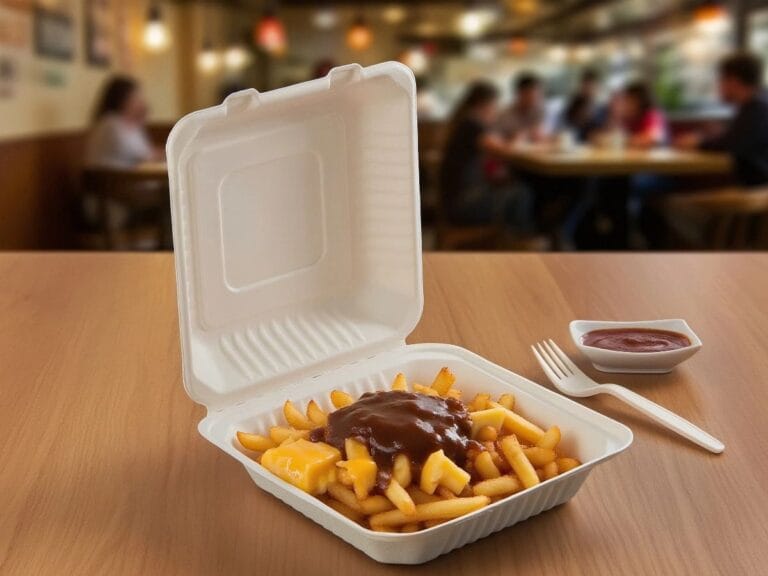
Yes, the lids are designed in such a way that they are fastened to the container securely and will not let the contents escape or leak during transit, which is an ideal characteristic for takeaway and delivery orders — where to buy plant-based disposable utensils.

They cannot take away hot foods?

Yes, of course. These salad bowls kraft paper and can take hot food as well as cold food, hence usable for a range of dishes.

How does plant-based cutlery compare with bamboo utensils?

Plant-based disposable cutlery vs bamboo comes down to use case:

Bamboo: Durable, reusable, often home-compostable. Plant-based: Ideal for single-use, more cost-effective, commercially compostable.

Types of Plant-Based Materials

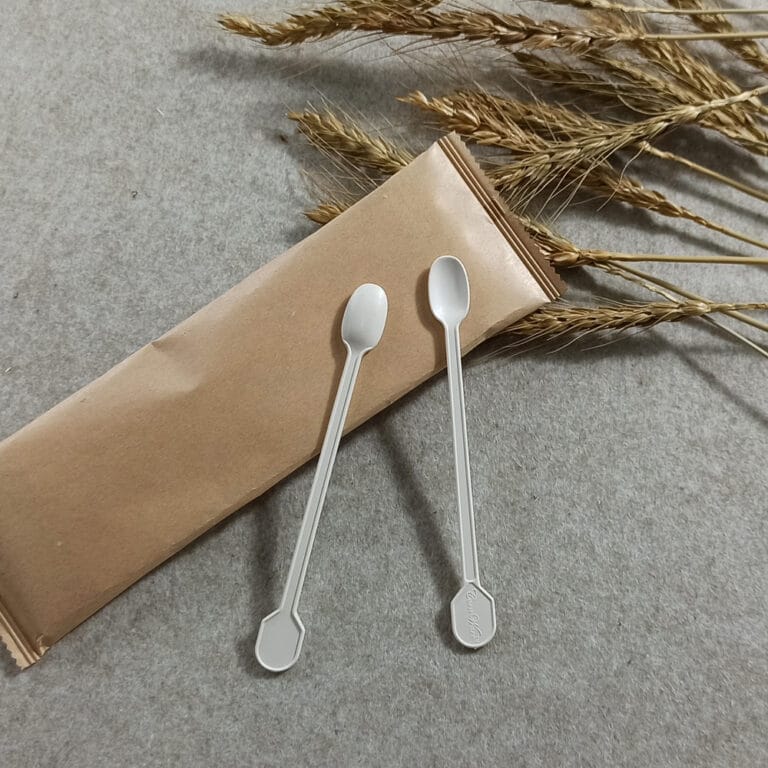
Cornstarch Cutlery: Made from PLA (polylactic acid) derived from fermented corn sugar , where to buy plant-based disposable utensils. Plant Starch Cutlery (PSC): A mix of renewable starch (corn, potatoes, etc.) and sometimes small amounts of polypropylene , where to buy plant-based disposable utensils. CPLA Cutlery (Crystallized PLA): Heat-resistant, durable, and compostable in industrial settings. These materials offer a significant reduction in carbon footprint compared to traditional plastics.

Related Insights

🚀Ready to Go Green and Choose ?

Join the global movement toward zero-waste packaging.


Bioleader® offers:

  • 📦 Bulk order support & fast delivery

  • ✍️ Custom branding and OEM solutions

  • 🌍 Worldwide eco-packaging compliance

Get the Catalogue Products List  & Contact Us Now! 👉

Contact us Below

Click or drag files to this area to upload.You can upload up to 5 files.
The more details you share, the faster and more accurate our quotation will be.