FAQ of Bioleader's Eco-friendly Disposable Tableware
Are eco-friendly utensils safe for hot and cold foods?
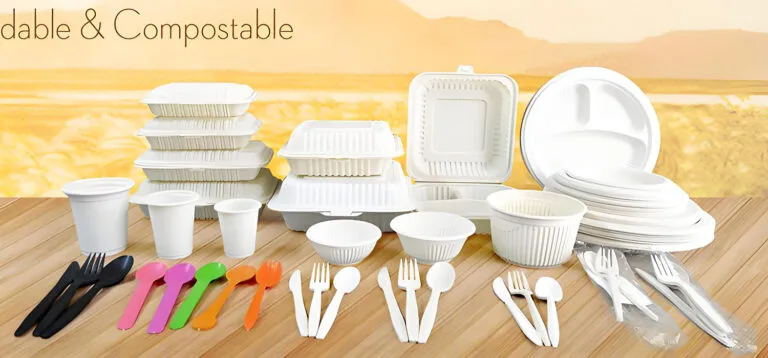
Yes, high-quality eco-friendly utensils are designed to withstand both hot and cold foods without bending or breaking, making them suitable for various dining needs.
What materials are biodegradable plastic forks and spoons made from?
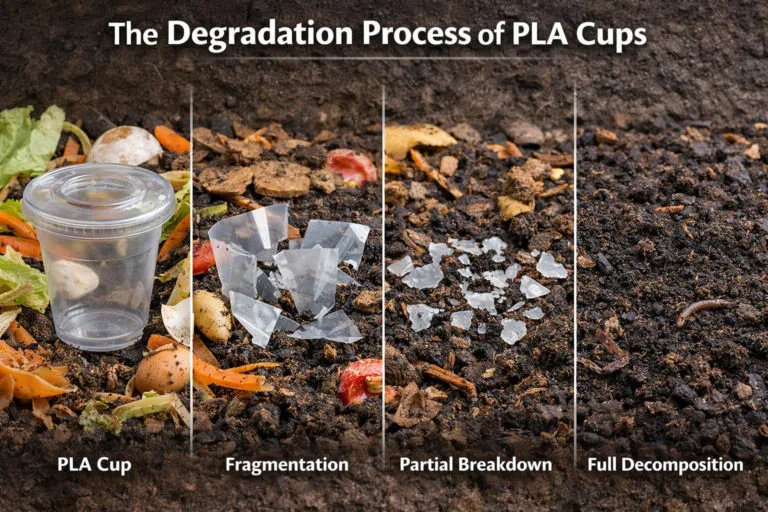
Biodegradable plastic forks and spoons are usually made from plant-based bioplastics such as cornstarch, PLA, or CPLA, which naturally break down in composting conditions.
Is individually wrapped cutlery suitable for outdoor events and travel?
Absolutely. The individual packaging keeps the cutlery clean and ready to use, making it ideal for outdoor parties, picnics, travel, and catering services — Waste Reduction.
Why Is It a Valuable Resource?
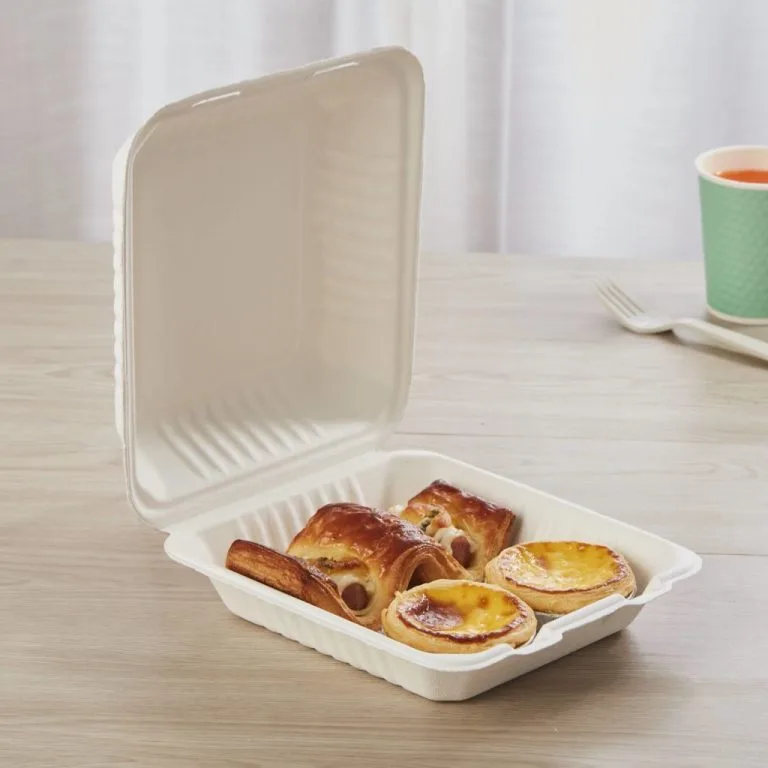
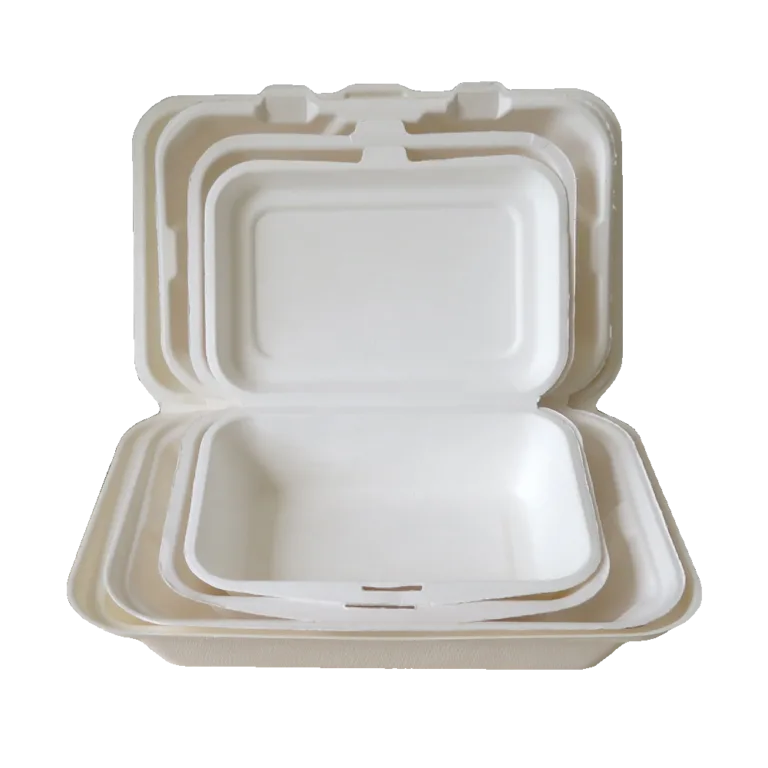
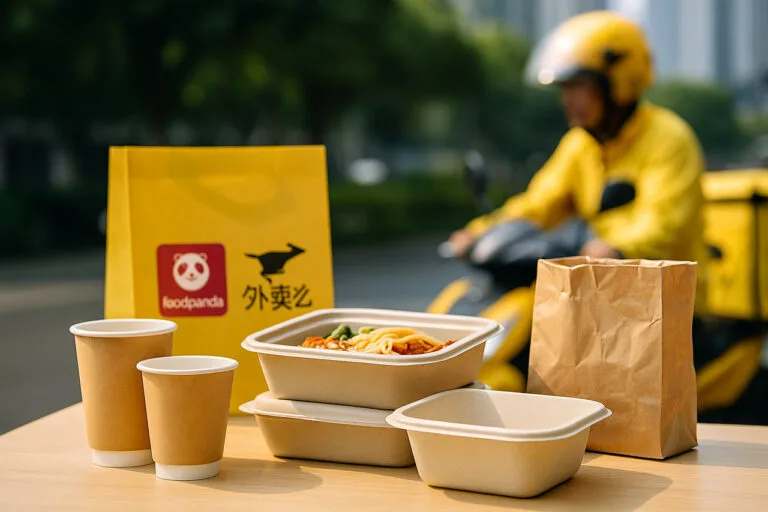
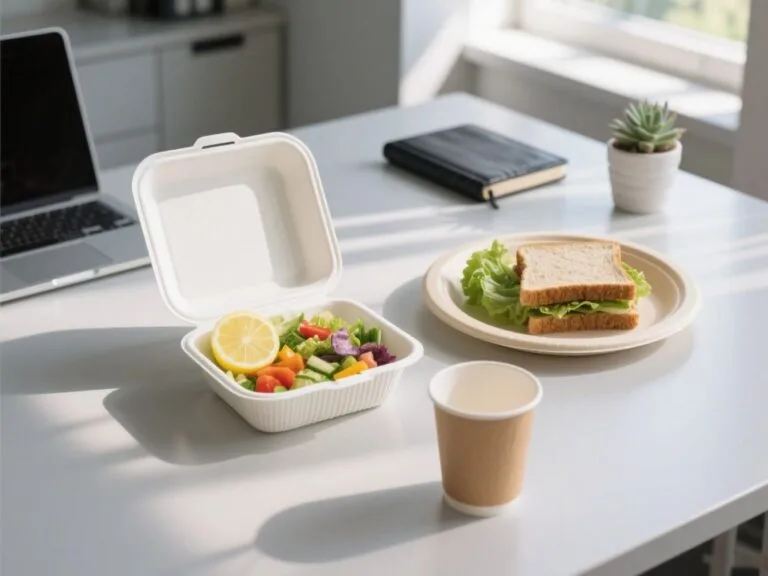
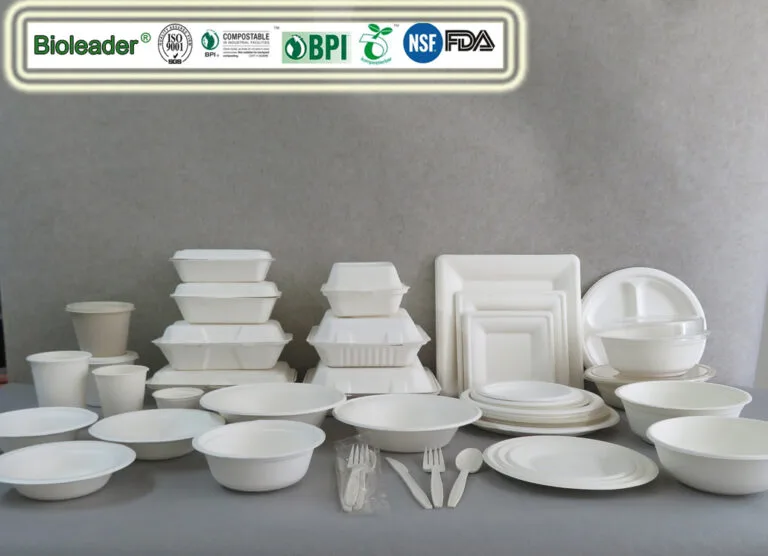
The abundance of sugarcane in agriculture provides an almost limitless supply of bagasse, making it a cost-effective and sustainable material for replacing single-use plastics. Sugarcane Bagasse Clamshell Boxes What Are Sugarcane Bagasse Clamshell Boxes? Sugarcane bagasse clamshell boxes are disposable containers crafted from fibrous sugarcane. The sugarcane bagasse shreddings are molded into clamshell boxes that are heatproof and will decompose in short durations, making them perfect for food takeaways and takeout.
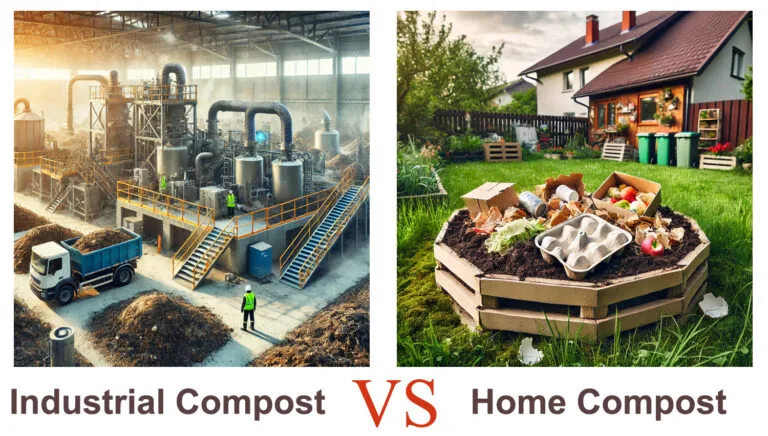
How Home Composting Works
Layering: A balanced mix of green waste (food scraps, grass clippings) and brown waste (dry leaves, cardboard, paper) is added , Waste Reduction. Aeration: The compost pile is turned regularly to ensure oxygen circulation. Moisture Control: Water is occasionally added to maintain an optimal moisture level , Waste Reduction. Decomposition: Microorganisms break down the materials over several weeks to months, creating nutrient-rich compost.