










Yes, our salad to go container with locking lid is microwave-safe safe so the consumers can heat their food substances without any problems.
Definitely , Sustainable tableware. Print Gems. Our to go salad containers are available printed with your logo or artwork. This is a nice chance to make your business while safe packaging supplies are being delivered.
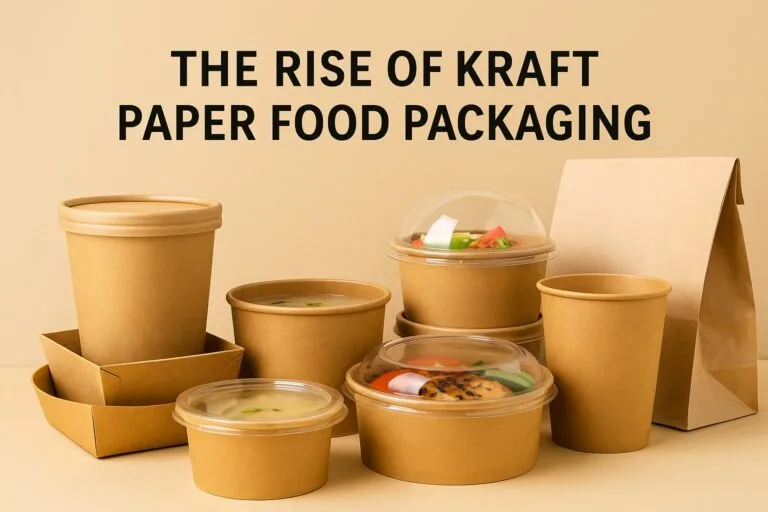
Our to go bowls with lids are made from two main types of materials: Kraft paper and white cardboard paper. Kraft paper is brown and more coarse than most papers and has high toughness and some water-resistant properties which make it good for holding medium-to-heavy and medium-hot food items. Conversely, the white cardboard paper provides an aesthetic appeal even as it remains tough. Both of these materials can be recycled and are environmentally friendly – a fact that helps in the packaging design that conforms to the current green principles and yet maintains the needed standard.
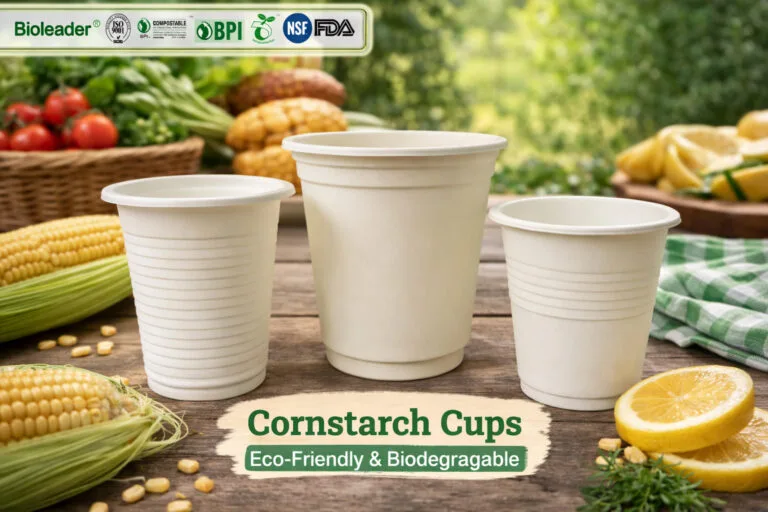
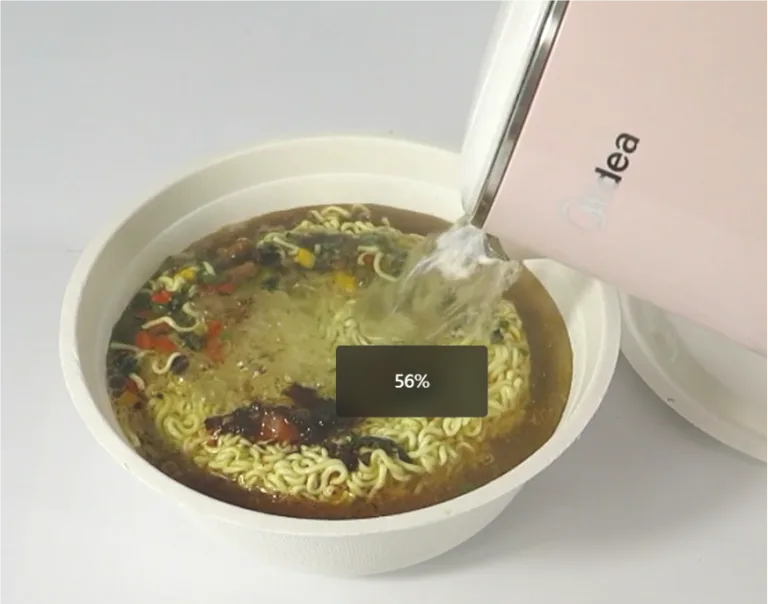
Material Heat Resistance Strength Compostability Timeline Cost Common Use Bagasse Up to 220°C Very High 60–90 days (industrial) $$ Soups, oily foods, large events Cornstarch Up to 120°C Moderate 90–120 days $ Kids’ parties, schools, home meals CPLA Up to 90°C High 80–100 days $$$ Coffee shops, airline trays This choice of materials ensures compostable forks and spoons are not a single generic product, but a range of tailored solutions for different dining needs — Sustainable tableware. Performance in Real Meals — Do They Hold Up?
In the rush to meet deadlines, some buyers skip audits or background checks. This is risky. Factories may outsource production to uncertified workshops, creating inconsistencies in quality — Sustainable tableware. Signs of a reliable supplier include: Third-party audits (BRCGS, ISO 9001, or Sedex).
Join the global movement toward zero-waste packaging.
Bioleader® offers:
📦 Bulk order support & fast delivery
✍️ Custom branding and OEM solutions
🌍 Worldwide eco-packaging compliance
Get the Catalogue Products List & Contact Us Now! 👉
Welcome to Bioleader Pack! 🌿
👉 Get a Quick Quote, Customized & Sample Details. We're online to help with your sourcing needs!
📩 Need Catalog & Price List? Email us: info@bioleaderpack.com
⏰ Response within 6-12 hours.
(Due to timezone differences, if we're away, please email us or leave a message.)
Response time: < 8h | Catalog List
WhatsApp us