FAQ of Bioleader's Eco-friendly Disposable Tableware
Are compostable cutlery items accepted in commercial composting facilities?
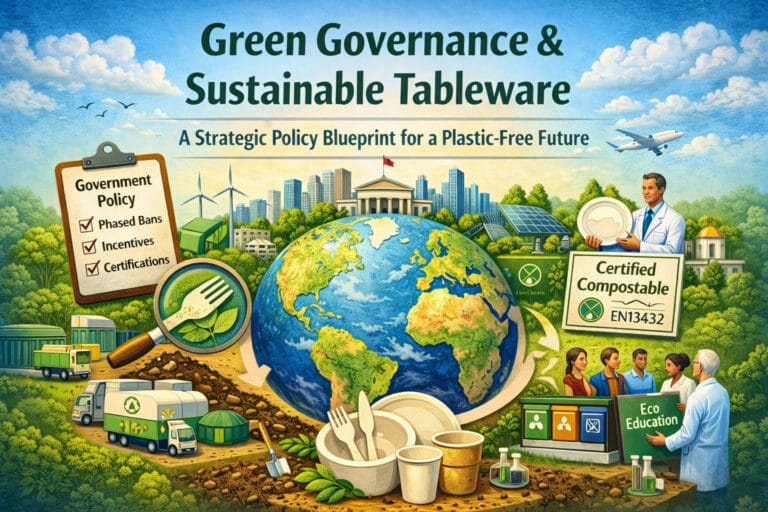
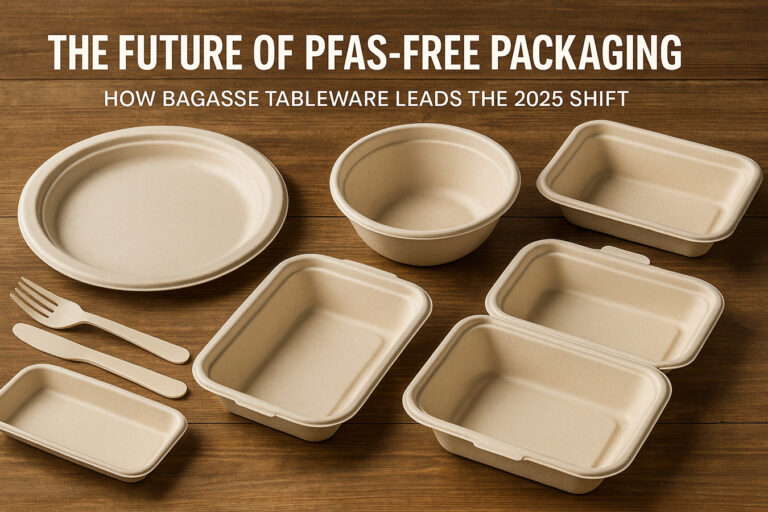
Most compostable plastic spoons and forks are accepted at commercial composting sites, provided they meet relevant standards such as ASTM D6400 or EN 13432 — sugarcane fiber tableware. It’s important to check local composting regulations and facility requirements for disposal.
Why should businesses switch to bio plastic cutlery?
Switching to bio plastic cutlery helps reduce plastic waste, supports sustainability initiatives, meets consumer demand for eco-friendly products, and enhances brand reputation.
Are biodegradable plastic forks and spoons safe for food contact?
Yes, these products are manufactured to be food-safe, free from toxic chemicals, and suitable for direct contact with all types of food.
Canada’s SOR/2022-138 Regulation in Full Effect
Canada’s nationwide single-use plastics ban, initiated under SOR/2022-138, took full effect in January 2025 , sugarcane fiber tableware. This landmark regulation prohibits the manufacture, import, and sale of: Polystyrene and PVC foodservice containers Non-certified compostable plasticware Plastic-lined paper containers without proof of compostability Violators now face up to CAD $250,000 in penalties per offense, along with product delistings and public recall notices — sugarcane fiber tableware. For meal kit brands and restaurant chains, non-compliance isn’t just costly—it’s reputationally devastating.
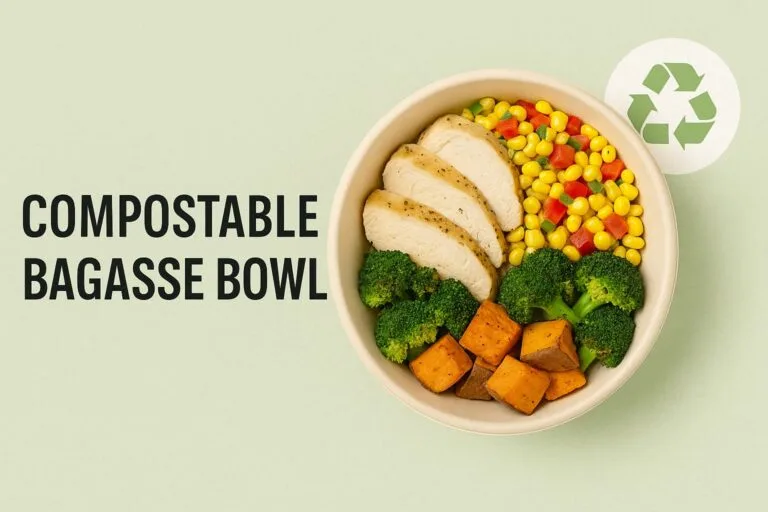
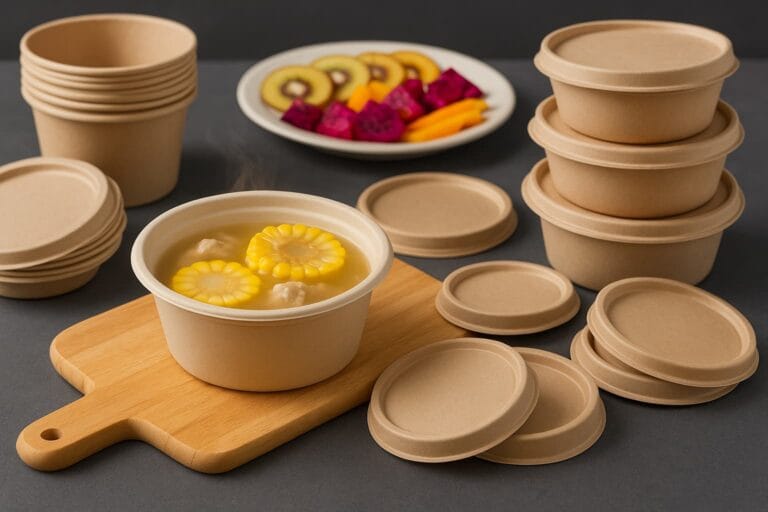
How do compostable bagasse bowls reduce food packaging waste?
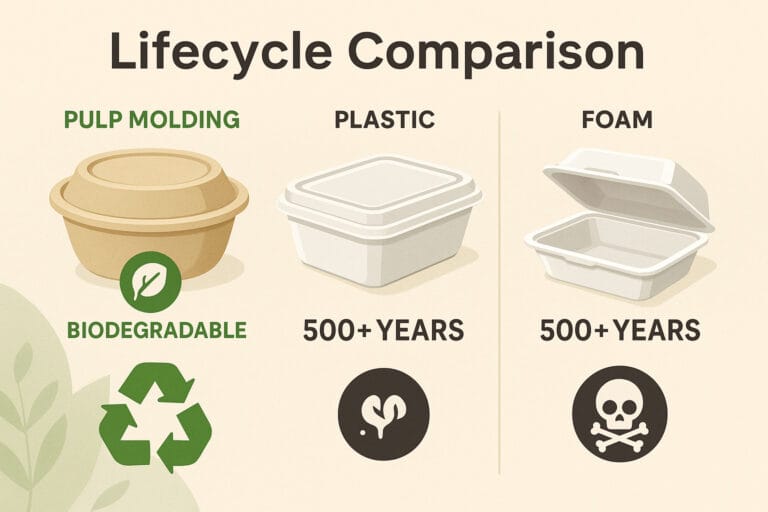
Unlike plastic, bagasse bowls break down into organic matter in industrial composting facilities within 90 days. Their lifecycle avoids landfill accumulation, helping companies significantly cut down packaging waste.