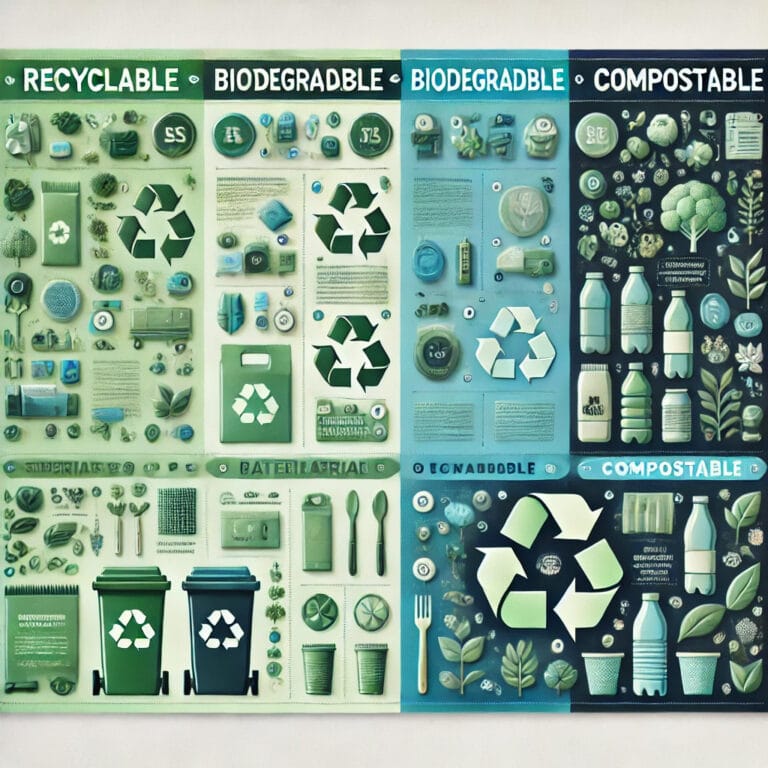
FAQ of Bioleader's Eco-friendly Disposable Tableware
What features do biodegradable disposable spoons and forks offer?
With customizable packaging options and a range of features such as heat resistance, safety, and cost-effectiveness, they cater to various uses—from outdoor events to everyday dining.
What materials are biodegradable plastic forks and spoons made from?
Biodegradable plastic forks and spoons are usually made from plant-based bioplastics such as cornstarch, PLA, or CPLA, which naturally break down in composting conditions.
What is bio plastic cutlery made from?
Bio plastic cutlery is typically made from renewable plant-based materials such as cornstarch, PLA, or sugarcane, making it biodegradable and compostable.
2. Compostable Plastics (CPLA & Cornstarch)
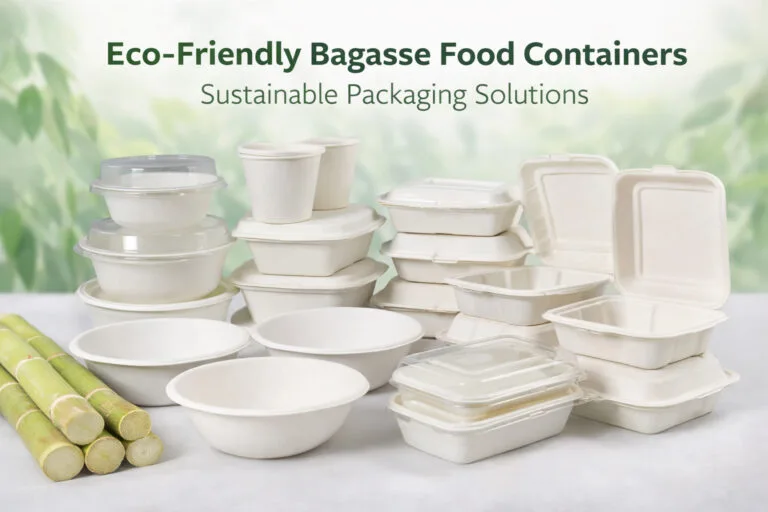
Derived from renewable resources like cornstarch, compostable plastics such as PLA (Polylactic Acid) offer an alternative to petroleum-based plastics. Example: Cornstarch Food Containers Advantages: Compostable under industrial conditions, clear and aesthetically appealing , sugarcane bagasse food container. Disadvantages: Requires industrial composting facilities, unsuitable for high-temperature use. Cost-Effectiveness: Slightly more expensive than traditional plastics.
6. Natural Material Containers
Containers made from palm leaves or seaweed paper are biodegradable and aesthetically appealing — sugarcane bagasse food container. Advantages: Fully compostable, natural look. Disadvantages: Limited durability for liquid-based foods. Cost-Effectiveness: Ideal for eco-conscious premium markets , sugarcane bagasse food container.