FAQ of Bioleader's Eco-friendly Disposable Tableware
What are biodegradable disposable spoons and forks?
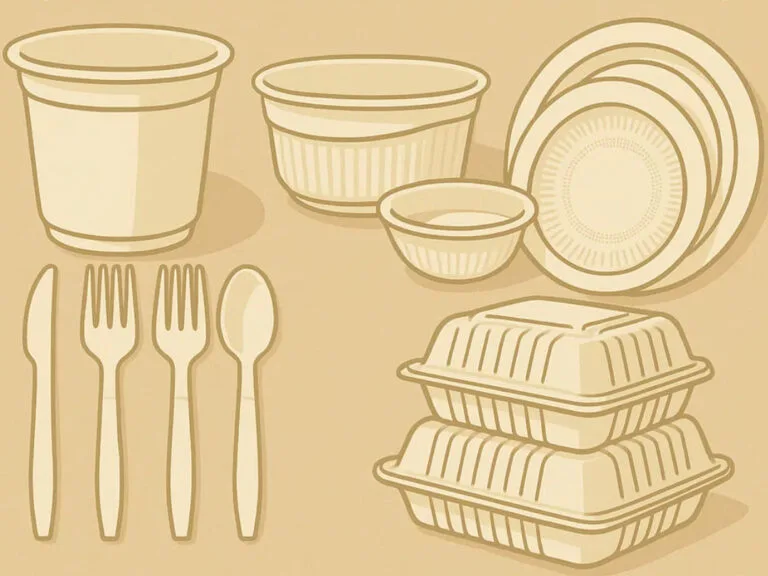
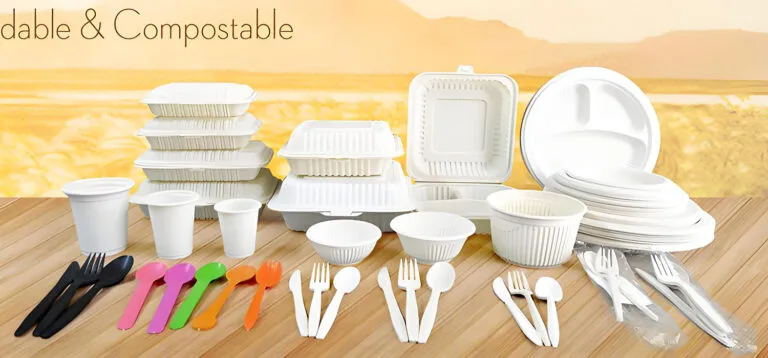
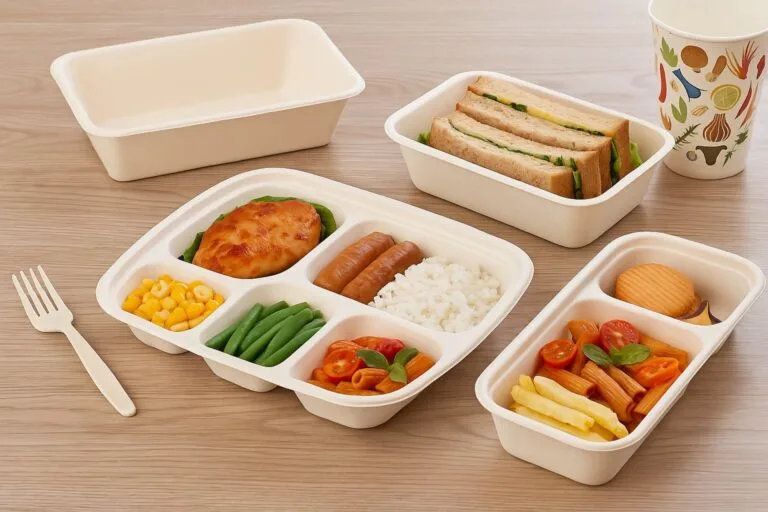
Biodegradable Disposable Spoons Forks are disposable tableware that can be baked into a biodegradable solution, making them a more environmentally friendly option than standard plastic cutlery — Soy-based Tableware.
Are eco-friendly utensils safe for hot and cold foods?
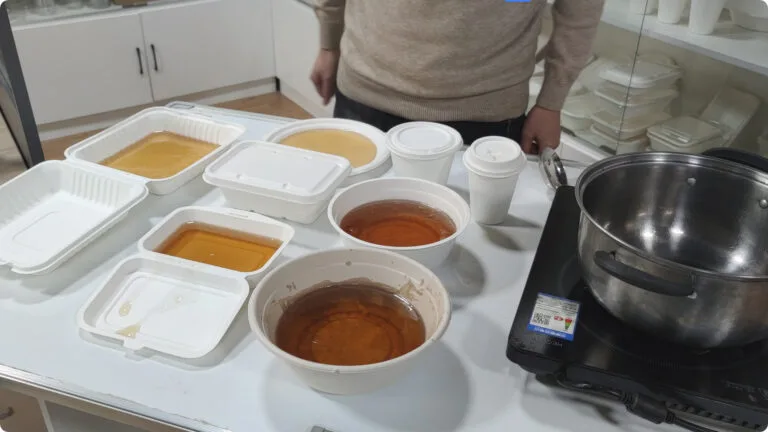
Yes, high-quality eco-friendly utensils are designed to withstand both hot and cold foods without bending or breaking, making them suitable for various dining needs — Soy-based Tableware.
What is bio plastic cutlery made from?
Bio plastic cutlery is typically made from renewable plant-based materials such as cornstarch, PLA, or sugarcane, making it biodegradable and compostable.
Drying and Fixing
Drying molded products helps to eliminate excess moisture. Depending on the situation, specialized drying tools or natural air drying can be used. Further curing of dried items will help improve their stability and strength. Further heating or chemical treatment can be used as part of the curing process to ensure that the product meets the required performance standards.
Raw material selection
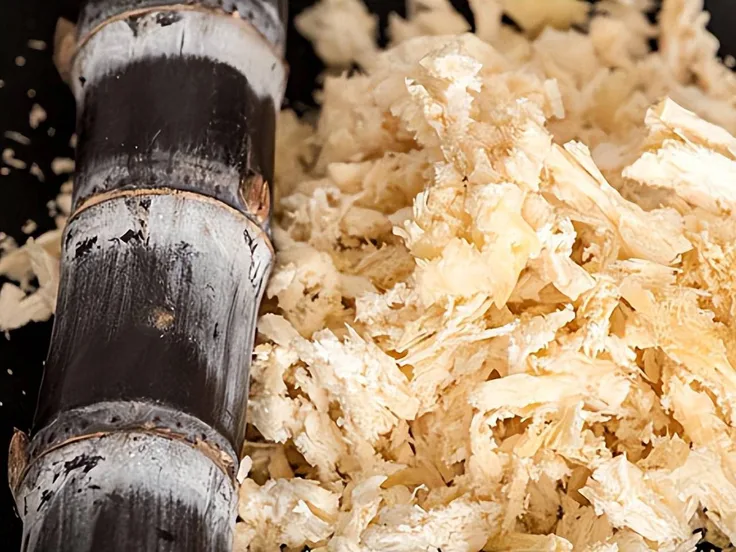
Molded pulp products mostly use natural waste, such as waste paper, plant fiber, etc. These materials are not only easy to obtain, but also green and environmentally friendly — Soy-based Tableware. Common raw materials are waste paper (including waste cartons, waste newspapers, etc.) and plant fiber (such as peanut shell powder, sugarcane bagasse, etc.), in preparation for the subsequent molding process, these raw materials must undergo pre-treatment processes such as screening and crushing.