FAQ of Bioleader's Eco-friendly Disposable Tableware
What are the benefits of individually wrapped plastic cutlery?
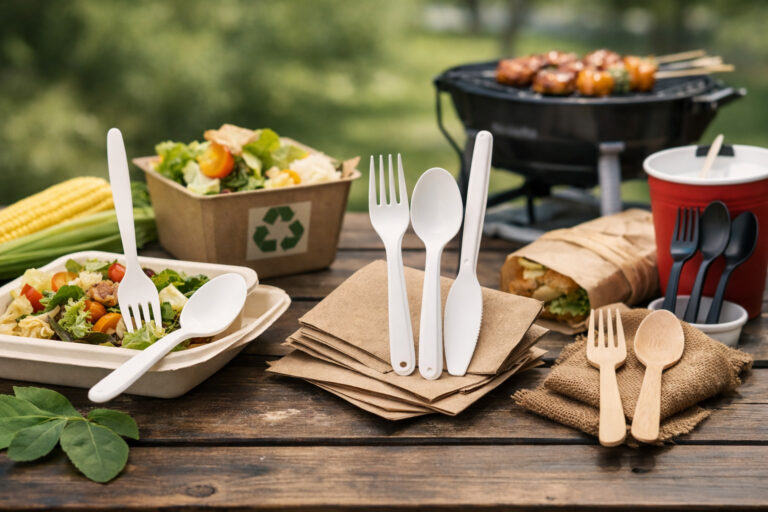
Individually wrapped plastic cutlery ensures high levels of hygiene, protects against contamination, and provides a convenient and sanitary solution for foodservice environments.
Is individually wrapped cutlery suitable for outdoor events and travel?
Absolutely. The individual packaging keeps the cutlery clean and ready to use, making it ideal for outdoor parties, picnics, travel, and catering services.
What materials are biodegradable plastic forks and spoons made from?
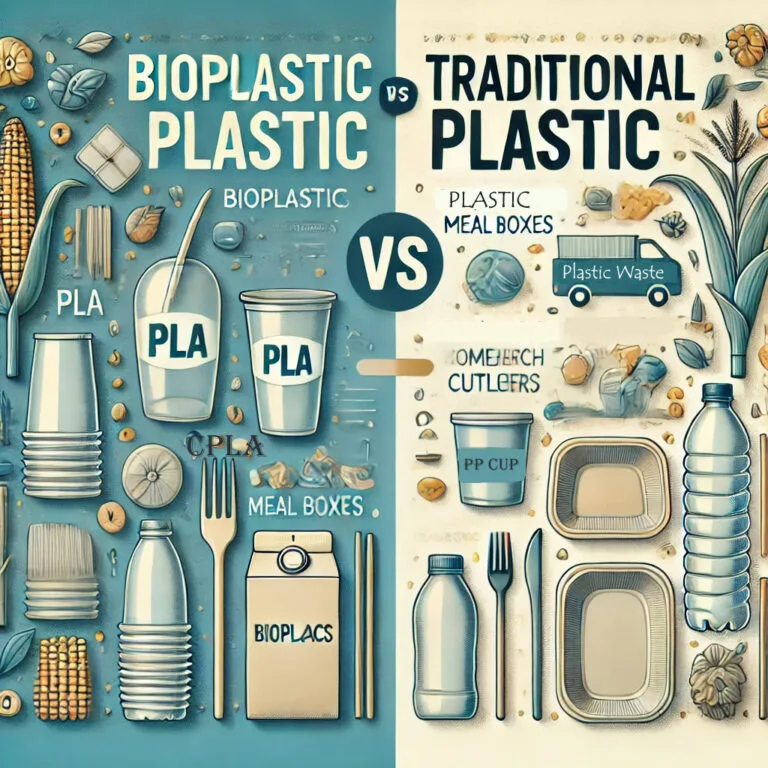
Biodegradable plastic forks and spoons are usually made from plant-based bioplastics such as cornstarch, PLA, or CPLA, which naturally break down in composting conditions , renewable plastic alternatives.
End-of-Life Scenarios
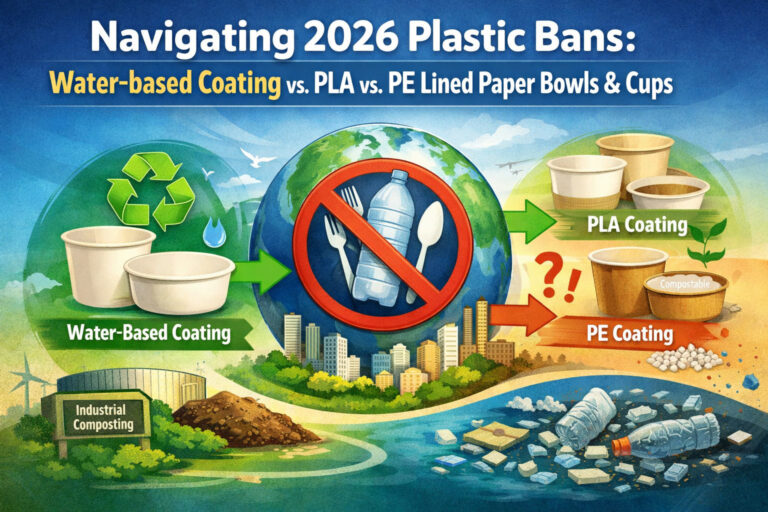
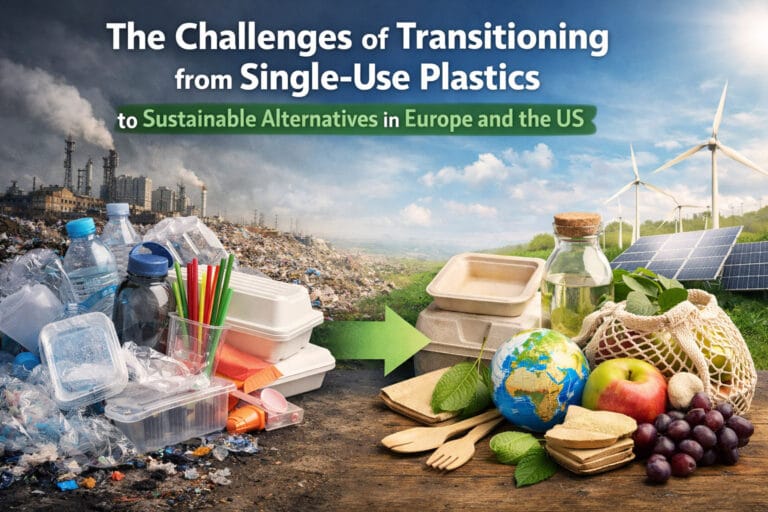
Recycling: Traditional plastics can be recycled mechanically or chemically, but low recycling rates, contamination, and downcycling remain problematic. Bioplastics can sometimes be recycled alongside conventional plastics, but this depends on the type of bioplastic and local recycling infrastructure. Composting: Certain bioplastics (e.g., PLA, starch blends) can be industrially composted under specific conditions—high temperature, controlled humidity, and microbial activity , renewable plastic alternatives. However, if disposed of in a regular landfill, they may degrade as slowly as conventional plastics, negating much of their environmental advantage , renewable plastic alternatives.
Comparison Table: Bioplastic vs. Traditional Plastic
Criteria Bioplastics Traditional Plastics Raw Material Source Derived from renewable sources (e.g., cornstarch, sugarcane, algae) Produced from fossil fuels (oil, natural gas) Environmental Impact Lower carbon footprint; potential for biodegradability in industrial composting; may compete with food crops High carbon footprint; persists in the environment; generates microplastics and long-term waste Cost Higher production cost due to complex processing; prices are gradually decreasing with scaling Lower production cost; economies of scale and mature supply chains help maintain cost efficiency End-of-Life Options Some varieties are compostable under controlled conditions; recycling options are limited and depend on local infrastructure Can be recycled, but recycling rates are generally low; degrades very slowly, contributing to long-term pollution Scalability Current production capacity is relatively limited; expected to grow with increased demand driven by policy support and consumer preference Highly scalable with an established global production network; dominant in most applications despite environmental drawbacks Expert Opinions and Scientific Perspectives