FAQ of Bioleader's Eco-friendly Disposable Tableware
Why should businesses choose PLA spoons over traditional plastic?
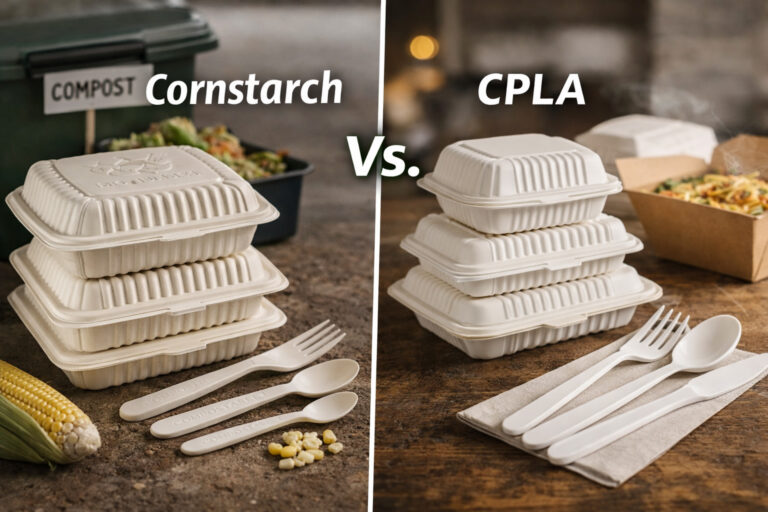
Switching to PLA spoons helps reduce plastic waste, aligns with sustainability trends, meets consumer demand for green products, and supports environmental responsibility initiatives.
How long does it take for these utensils to decompose?
Under industrial composting conditions, earth friendly disposable utensils typically decompose within 90 to 180 days, depending on the material and facility.
Are there eco-friendly options for individually wrapped cutlery?
Yes, in addition to traditional plastic, there are biodegradable and compostable individually wrapped cutlery options available to support sustainability goals.
Material Origins and Production
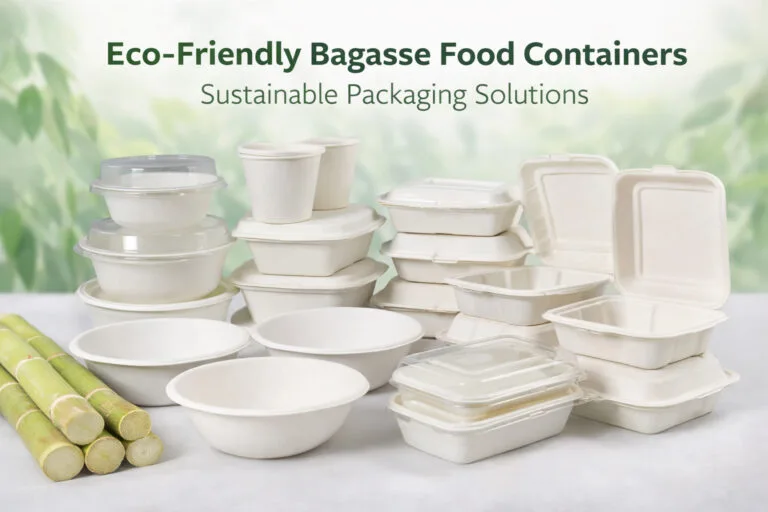
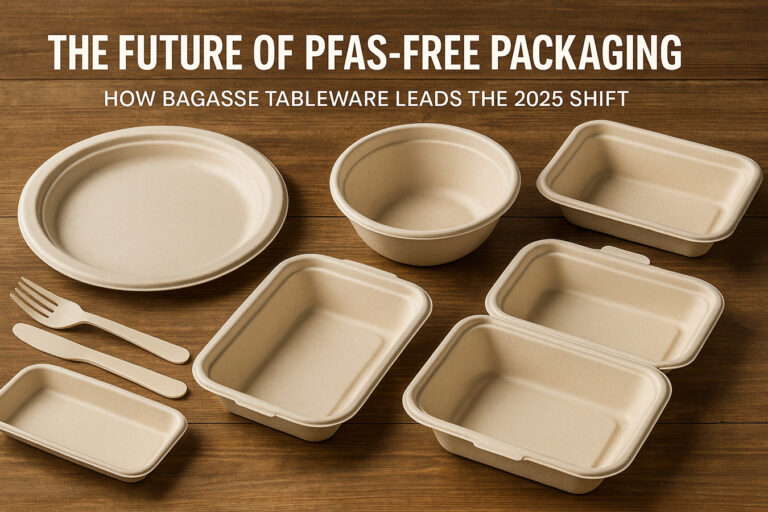
The primary source for plastic plates is petroleum, which is a non-renewable resource that emits significant carbon and damages the environment during extraction and processing — Renewable Food Packaging. On the other hand, bagasse is a residue from the extraction of juice from sugarcane , Renewable Food Packaging. Wastes that were once considered useless are now turned into long-standing food ware. This upcycling of these agricultural wastes not only alleviates the pressure on landfills but further decreases the demand for fresh raw materials.
Carbon Footprint and Greenhouse Gas Emissions
The production and disposal of bagasse plates are consistently shown to emit much less greenhouse gas compared to plastic plates , Renewable Food Packaging. As bagasse plates are made from renewable resources, their carbon footprint is decreased. Studies have proven that shifting from traditional sources of manufacture to bio-based sources like bagasse aids in reducing climate change through less CO₂ emission from manufacturing processes. Economic Considerations